Fly Buys shut down after 25 years. AA Smartfuel followed six months later. Two programs that defined loyalty in New Zealand disappeared almost overnight, leaving over three million Kiwis without a rewards card to scan.
If you run a business here, you feel that shift. Your customers are looking for new places to park their loyalty. The question is whether your program is worth their attention.
We audited ten loyalty programs currently operating in New Zealand and scored each one on two axes: customer friction (how easy is it to join and earn?) and retention ROI (what does the business actually get back?). Five of these programs drive measurable repeat purchases. Five creates friction that costs more than it returns.
Here's what separates them, and how to build a program that lands in the right category.
I. Five Programs with High Retention ROI
These programs share one trait: they make it easy for customers to participate and hard for them to leave. Each one uses a different mechanism, but the underlying logic is the same. Reduce friction, increase value, build habit.
We'll start with the largest and work down to the most accessible for small businesses.
1. Air New Zealand Airpoints: Earn Everywhere
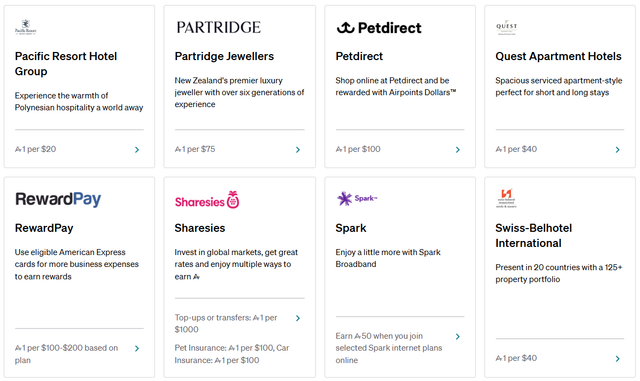
Airpoints is a frequent flyer program that grew into a cross-industry earning network. Customers collect Airpoints Dollars at supermarkets, petrol stations, banks, and dozens of retail partners without ever booking a flight. One currency, dozens of places to earn it.
What makes it work
Airpoints now has 4.8 million members, roughly one member per NZ household. That reach is the point. Members scan their Airpoints card at petrol stations, supermarkets, and retail stores. Every scan gives the partner business purchase data and a reason for the customer to come back.
For partner businesses, the ROI isn't the points themselves. It has access to millions of active members who already carry the card. That's an audience you don't have to build from scratch.
Takeaway: You can't build an airline alliance. But you can partner with three to five complementary local businesses, like a gym with a supplement store and physiotherapist, or a cafe with a bookshop and florist. A shared earn-and-redeem network makes each business stickier without any single one bearing the full program cost.
2. New World Clubcard: Let Customers Choose
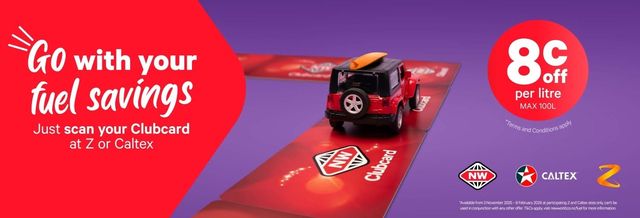
New World's loyalty program lets members decide how their rewards work. Earn points on every shop, then choose: dollar discounts on groceries, Airpoints Dollars, or fuel savings at Z and Caltex. The program also runs rotating member-only prices on everyday items. One program, multiple ways to get value.
What makes it work
New World's Clubcard has 1.6 million members in a country of 5.2 million. That's roughly 30% of the population.
The earn rate is strategically low. New World gives back 75 cents for every $100 spent. That's a modest program cost. But the Club Deals (member-only discounts) do the heavier lifting on perceived value. Customers feel like they're getting more than the points alone suggest.
The Airpoints partnership adds another retention layer. Customers who choose to convert to Airpoints Dollars are investing in a long-term reward, which means they keep shopping at New World to build their balance rather than switching to a competitor.
Takeaway: Show customers exactly what they're earning and what it takes to redeem. Clear conversion rates and visible thresholds keep people engaged. Programs that hide the math or make redemption confusing lose members fast.
3. McDonald's Rewards: Small Wins, Fast
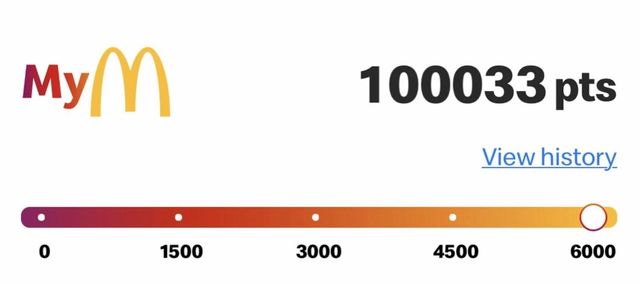
MyMcDonald's Rewards gives 100 points per dollar spent. The first reward unlocks at 1,500 points, roughly two visits. A progress bar in the app shows exactly how close the next reward is. The whole system is built around one idea: make the next reward feel close enough to chase.
What makes it work
By the end of 2024, MyMcDonald's Rewards had over 175 million active users across 60 markets. But the numbers matter less than the mechanics. McDonald's structures its rewards around three tactics any business can copy.
The first reward is two visits away, not ten. That's the critical difference between a program people try and a program people use.
The reward tiers are built on high-margin items. Your free rewards should be your highest-margin products: a house coffee, a sample-size product, a basic service add-on.
Progress is always visible. The app shows a progress bar with clear milestones. Customers know exactly where they stand.
Takeaway: Most Shopify loyalty apps can show a points balance and a "next reward" threshold at checkout or in a floating widget. Turn it on. If customers can't see how close they are, the program loses its pull.
4. Z Energy Pumped / Z Rewards: Keep It Simple, Save at the Pump
The original model was dead simple: six cents off per litre at any of Z's 300+ stations across New Zealand. No tiers, no complicated earning rates, no waiting months for a payout. All customers had to do was download the app.
What worked and what didn't
The acquisition was fast. Z signed up 650,000 members in the first month, with 60,000 on day one and 270,000 by the end of week one. The value was obvious and immediate, and people responded.
But the flat per-litre discount came straight off Z's highest-volume product. Over time, retail profitability dropped significantly. By FY20, nearly all of Z's fuel volume was selling at discounted rates.
In March 2025, Z retired Pumped and launched Z Rewards under new ownership by Ampol. The new structure moved to a points-based system: earn points per dollar on fuel and in-store, redeem for coffee, pies, drinks, and vouchers. A shift from margin-killing fuel discounts to rewards on higher-margin items.
Takeaway: Instant savings drive fast sign-ups. Z proved you can build a massive member base quickly if the value is obvious and immediate. The warning: if your discount comes straight off your highest-volume product, you might be buying members at a loss. Give instant rewards on high-margin items (a free coffee, a sample product, a bonus service) rather than discounting your core revenue line.
5. Hoyts Rewards: Tiered Loyalty for Repeat Entertainment
Hoyts built its loyalty program around a product people return to again and again.
The cinema chain runs a tiered rewards system with free and paid VIP ($18/year) memberships. Members earn points on tickets, snacks, and drinks. VIP members get 25% off tickets (versus 10% for free members), 10% off concessions, and double points earning. The program is mobile-first, with in-app ordering so members can skip the counter entirely.
What makes it work
The $18 VIP fee generates direct revenue and creates a commitment effect. Once someone pays for a membership, they choose that cinema over competitors to justify the cost. A 2010 redesign that added the free tier and a Qantas Frequent Flyer partnership tripled the member base within 12 months.
The paid tier is the ROI engine. It doesn't need to be expensive. It needs to feel exclusive: early access, members-only products, or skip-the-line perks.
Takeaway: If your customers already come back regularly (think salons, gyms, cafes), a tiered program makes sense. Offer a free base tier for casual visitors and a paid or earned VIP tier for your best customers. Look for a loyalty tool that supports automatic tier progression based on spending, so you don't have to manage upgrades manually.
II. Five Programs That Make It Too Hard
These programs aren't broken. They just have design choices that create frustration, erode trust, or train customers to stop participating. Each one offers a lesson in what to avoid.
1. Woolworths Everyday Rewards: Too Many Steps to Earn
The problem: Customers must manually activate bonus offers before shopping, or they get nothing.
Woolworths calls them "Boosts." To earn bonus points on specific products, members have to open the app, find the current offers, tap "Boost" on each offer, and do so at least 2 hours before shopping. Then they need to remember which items they boosted and buy accordingly.
That's a lot of steps before you buy milk.
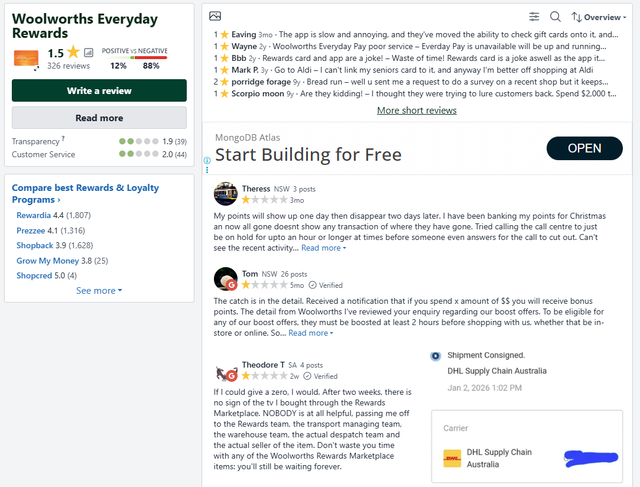
Customer reviews on ProductReview.com.au tell the story. Members report activating boosts that never register. Others forget to boost and miss out on points entirely. When customers feel they "missed out" on rewards they could have earned, they blame the brand, not themselves.
Every forgotten boost creates a small resentment. Over time, those resentments add up, and members disengage.
The lesson: Don't make customers work for benefits. Auto-apply everything, or don't offer it. If you run conditional rewards, set them to activate automatically based on purchase behaviour. No extra steps from the shopper.
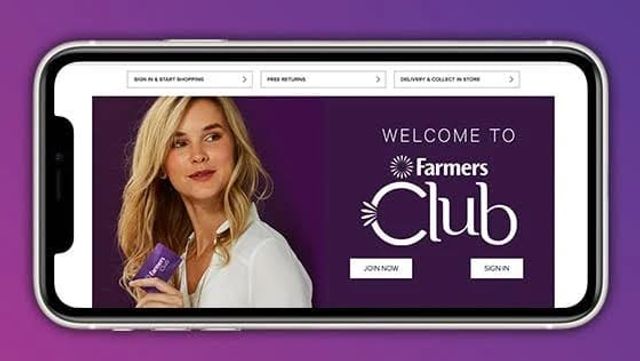
2. Farmers Club: Points Expire Too Fast
The problem: Points expire after six months in Beauty and Fashion categories, but the average time between clothing purchases is four to eight months.
Farmers Club splits its expiry rules by department. Beauty and Fashion points expire after six months. Home points last 12 months. Vouchers, once earned, expire after three months.
Here's how that plays out. A customer buys a dress in January and earns points. She comes back in August, a normal shopping gap for fashion, and finds her points gone. She earned nothing for her loyalty. Next time, why bother scanning the card?
Consumer NZ reported customer backlash when Farmers shortened expiry periods. Shoppers threatened to take their business elsewhere, particularly to competitors with simpler programs.
The lesson: Match your expiry policy to your actual purchase cycle. Use rolling expiry (points expire a set number of months from last activity) rather than fixed windows. Customers who keep shopping should never lose their balance.
3. Subway SubCard: The Threshold Trap
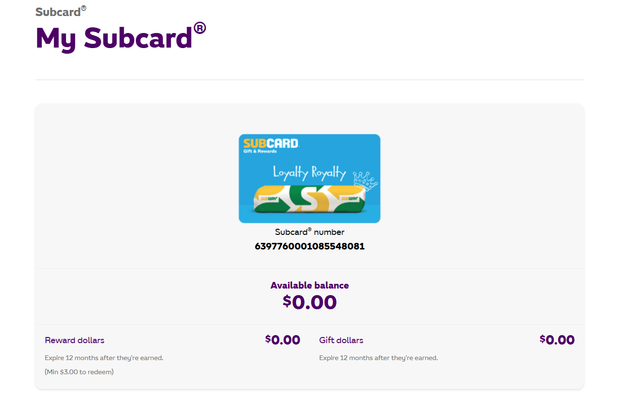
Subway NZ's current Sub Club program actually offers a strong return, with the first reward redeemable at $3. That's competitive.
But the broader lesson about reward thresholds applies to every business. Industry research consistently shows that customers lose motivation somewhere between visits seven and ten if the reward still feels far away. Programs that push the first payout beyond this range see higher drop-off rates.
This is the threshold trap. A program can offer genuine value but set the bar so high, or make progress feel so slow, that customers never experience the payoff. They sign up, make a few purchases, see minimal movement, and mentally check out.
The lesson: Calculate your average transaction value and typical visit frequency. Set your first reward within five to seven visits for high-frequency businesses. If customers can't see the finish line, they stop running.
4. AA Smartfuel: The $1 Billion Program Felled by One Partner's Exit
AA Smartfuel operated for 12 years and built a base of over three million cardholders. Then, the countdown left, and the whole thing fell apart.
When Countdown announced its departure in June 2023, AA Smartfuel announced its closure three months later. As New Zealand's largest supermarket chain, Countdown was irreplaceable as an earning partner. Woolworths launched Everyday Rewards immediately, pulling members across.
When one partner accounts for a disproportionate share of your program's value, you don't have a coalition. You have a dependency. And dependencies break.
The lesson: Don't build your loyalty strategy around one partner or one channel. If your program depends on a single source of earning or redemption, you're one business decision away from starting over. Build earning opportunities across your own store first. Then add partners as a bonus, not a foundation.
5. Flybuys New Zealand: When a Coalition Outlives Its Model
Flybuys had multiple structural problems that compounded over time.
Partners left. Air New Zealand split from Flybuys in October 2016. Mitre 10 departed the same year. New World launched its own Clubcard in 2020, giving 1.7 million members a reason to bypass Flybuys entirely.
The model felt outdated. As marketing professor Bodo Lang from the University of Auckland noted, cracks appeared when major retailers started leaving the scheme. Coalition integration was expensive: every time a partner updated their POS or inventory systems, the Flybuys interfaces needed updating too. Cloud-based platforms made proprietary programs far cheaper.
Younger customers wanted speed. Flybuys was built for patient accumulators. Younger shoppers looked at the return rate, did the math, and walked away.
Takeaway: Two lessons here.
Your effective return rate matters. If customers need to spend thousands of dollars to earn a small reward, they'll notice. Aim for at least three to five per cent return on spend. A coffee shop giving a free $5 drink after $100 in purchases (five per cent return) will outperform a program that takes six months to deliver anything.
Speed of reward matters more than total reward value. A $2 instant discount feels better than 500 points that might someday become a toaster. Design your program so customers see value within their first few visits, not their first few years.
III. How to Build Your Own Loyalty Program
You've seen what works and what pushes customers away. Now here's how to set up your own program. Most small businesses should start simple. You can always add complexity later.
1. Choose Your Model
Your loyalty structure should match how customers actually buy from you.
For businesses with an average transaction under $30 (cafes, quick-service restaurants, fast retail): use digital stamps. Buy nine, get the tenth free. Customers understand it instantly, and you don't need complicated software.
For businesses with an average transaction of $30 to $100 (retail, beauty, services): use a points system. Customers earn points on every purchase and redeem them for discounts or free products. This gives you the flexibility to run promotions and track buying patterns.
For businesses with an average transaction over $100 (furniture, electronics, speciality retail): use points with tiered rewards or VIP tiers with increasing benefits. Higher-value customers expect recognition. Tiers let you reward your best shoppers without giving the same perks to everyone.
Three questions to ask yourself: How often do customers buy from you? What's your margin on rewards? Can you afford instant rewards, or do you need customers to accumulate value over time?
2. Set Your Earn Rate and Expiry
Your earn rate controls how much you give back per dollar spent. Too low and customers don't care. Too high and you eat your margin.
Aim for three to five per cent return on spend. A coffee shop giving a free $5 drink after $100 in purchases works. A program that takes six months to deliver anything doesn't.
For expiry, use rolling windows tied to last purchase activity, not fixed calendar dates. If your customers typically buy every two months, set the expiry at six months from the last activity. That gives them a comfortable buffer while still creating urgency.
3. Make Progress Visible
Every program we reviewed that works well shares one trait: customers can see where they stand. A progress bar, a points balance at checkout, and a "you're X points away from your next reward" notification.
Display your program clearly: a dedicated loyalty page that explains how it works, a widget that shows the balance on every page, and redemption built directly into the checkout flow. No extra steps, no confusion.
If customers can't see the finish line, they stop running.
4. Launch and Promote
Once your program is live, promote it. Send an email announcement with a signup bonus. Post on social media with a link to your loyalty page. Add a banner to your homepage during launch week.
The programs that struggle aren't always the ones with bad mechanics. Sometimes they're just invisible.
Now It's Your Turn
Fly Buys and AA Smartfuel left a gap. Millions of Kiwi customers are still looking for somewhere to put their loyalty. That's your opening, but it won't stay open forever. Every week you wait, your competitors get closer to filling it.
The best loyalty program isn't the most complex one. It's the one your customers actually use. The sooner you launch, the sooner you find out what works for your business.
[Start building your loyalty program today] and have it live by the end of the week.