73% of consumers want personalized loyalty rewards, yet fewer than half of programs deliver them. That gap costs real money. Every generic reward that gets ignored is a repeat purchase that doesn't happen.
Personalization comes down to two approaches: let customers choose how they earn and redeem, or respond to their behavior with relevant offers. Neither requires enterprise tech or a data science team. You need the right tactic for your store.
For each case below, we break down the program, the specific personalization tactic, why it works, and how you can adapt it for your Shopify store.
I. 7 Personalized Loyalty Program Cases Worth Studying
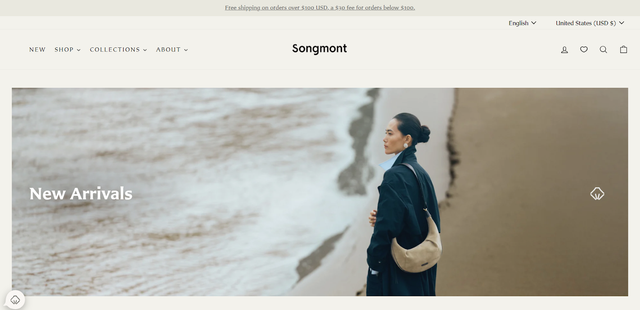
Case 1: Songmont — Choose Your Own Gift
The Program: Golden Pine Society
A $25/year paid membership for Songmont, a luxury handbag brand founded in 2013. The brand takes its name from the Chinese word for pine trees, symbols of longevity and quiet strength. LVMH chairman Bernard Arnault visited their Shanghai store and bought two bags. The program has 200,000+ members.
The Personalization Tactic: Instead of offering percentage discounts, Songmont lets customers redeem points for branded gifts they actually want. Multiple gift options at different point levels mean customers choose what fits their lifestyle.
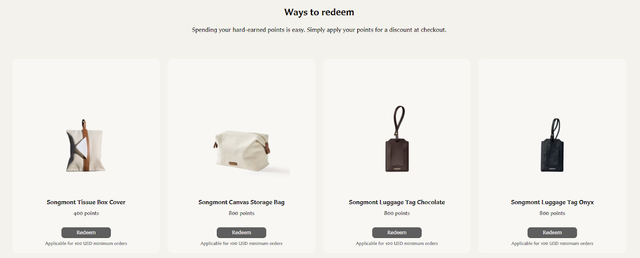
Here's how the reward tiers work:
- 400 points: Songmont tissue box cover
- 800 points: Canvas storage bag
- 800 points: Luggage tag
A frequent traveler picks the luggage tag. A home organizer chooses the storage bag. Same points, different value to different people.
Why It Works
Choice creates ownership. When customers select their reward, they value it more.
For a luxury brand, this solves a real problem. Discounts erode premium perception. Offering 15% off a $400 handbag cheapens the brand. But a branded luggage tag? That extends the brand into the customer's daily life. Every trip becomes a touchpoint.
Songmont also protects margins with a smart rule: all gift redemptions require a $100 minimum purchase. Rewards drive additional spending rather than replacing it.
Results
After launching with Joy Loyalty, Songmont saw:
- $110,000 in assisted revenue within 14 days
- 5x redemption rate on Black Friday compared to their previous platform
- 200,000 members migrated without data loss
Merchant Takeaway
Discounts aren't the only reward. Branded products can work better, especially if you have a strong visual identity.
Let customers choose. Even three to four gift options beat one generic reward. And tie redemption to a minimum purchase to protect your margins while encouraging larger orders.
This approach works especially well for lifestyle brands, premium products, and any store with a distinctive aesthetic that customers want to show off. If you sell candles, offer a branded matchbox set. If you sell fitness gear, offer a branded water bottle. The reward should feel like part of the brand world, not a coupon.
How Joy Enables This
Joy's reward engine supports product-based rewards, not just discounts. Here's a quick setup path:
- Go to Rewards > Create New Reward
- Select Product Reward as the type
- Set the point threshold (e.g., 400 points)
- Choose the specific product from your Shopify catalog
- Set a minimum purchase requirement under Redemption Rules
Repeat for each gift option. Customers see all available rewards in the loyalty widget and redeem with one click at checkout. No widget hunting. No code copying.
You can create as many reward options as you want at each point level. Three options are a good starting point: enough choice without overwhelming customers.
→ See Songmont's live loyalty page
Case 2: Starbucks Rewards — Behavioral Triggers
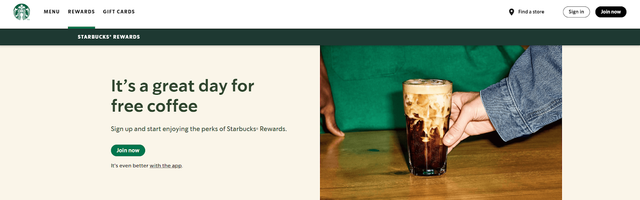
The Program: Starbucks Rewards
35.5 million active US members as of late 2025. The program drives nearly 60% of US company-operated revenue.
The Personalization Tactic: Starbucks tracks every purchase and sends offers based on individual behavior patterns. This isn't about demographics or segments. It's about what you do.
Starbucks captures behavioral data like purchase history, visit frequency, time-of-day patterns, favorite products, store location, and payment method. That data feeds a system that learns from 80,000+ possible drink combinations.
If you order a latte every weekday morning, you might get a personalized "Double Stars" offer timed to your typical visit window. Haven't visited in two weeks? You get a win-back offer. Frequently order seasonal drinks? You'll see pumpkin spice latte promos before casual customers do.
Your offer isn't the same as the person behind you in line.
Why It Works
Timing matters more than the offer itself. A 50-point bonus means nothing if it arrives when you're not thinking about coffee. But the same offer, pushed to your phone at 7:45 am when you're about to leave for work? That converts.
Starbucks reports that personalized offers drive 3x higher spending compared to generic promotions. The system learns which offers each customer responds to and adjusts over time. That feedback loop is what separates Starbucks from most programs: they don't just send offers, they learn from the response.
Merchant Takeaway
You don't need Starbucks' AI budget to do this. Email and SMS triggers work the same way. The difference is starting simple and being consistent.
Here are three behavioral triggers any Shopify store can set up today:
1. The Win-Back Trigger: Set a timeframe based on your typical repurchase cycle. If you sell coffee, that might be 14 days. Skincare? Maybe 45 days. When a customer goes past that window without ordering, trigger an email with a personalized offer. "We noticed you haven't reordered your [product name]" is more effective than a generic sale blast.
2. The Milestone Trigger: When a customer hits a points threshold, notify them. "You have 500 points, that's enough for a free [reward name]" creates urgency without pressure. People don't like leaving value on the table.
3. The Post-Purchase Trigger: After a first purchase, send a follow-up that introduces the loyalty program. After a second purchase, highlight their progress toward a reward. The message adapts based on where they are in the relationship.
The key is timing. Send offers when customers are most likely to act, not when it's convenient for your marketing calendar.
How Joy Enables This
Joy syncs customer data (points balance, VIP tier, redemption history) with Klaviyo, Omnisend, and Mailchimp. That lets you build segments and trigger campaigns automatically.
Practical examples using Shopify Flow:
- Points expiration reminder: Send an email seven days before points expire
- Birthday reward: Auto-award bonus points seven days before their birthday
- VIP tier achievement: Trigger a congratulations email when a customer moves up a tier
- Win-back campaign: Send a bonus points offer when a customer hasn't purchased in 30/60/90 days
- Redemption nudge: Email customers who have enough points for a reward but haven't redeemed in 60 days
You won't match Starbucks' AI sophistication. But basic behavioral triggers through Joy + Klaviyo or Shopify Flow can capture most of that value. Start with one trigger (like a win-back email at 30 days) and build from there.
Case 3: Sephora Beauty Insider — Tiered Rewards + Choice
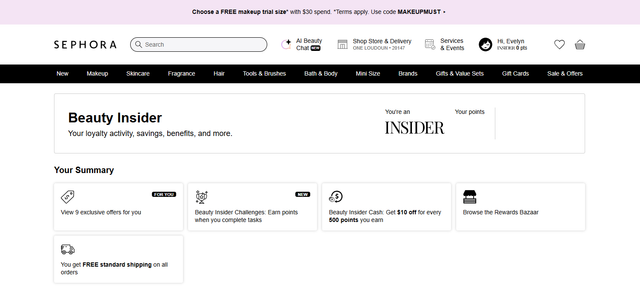
The Program: Sephora Beauty Insider.
34+ million members globally across three tiers: Beauty Insider (free), VIB ($350/year spend), and Rouge ($1,000/year spend). The program drives 80% of Sephora's transactions.
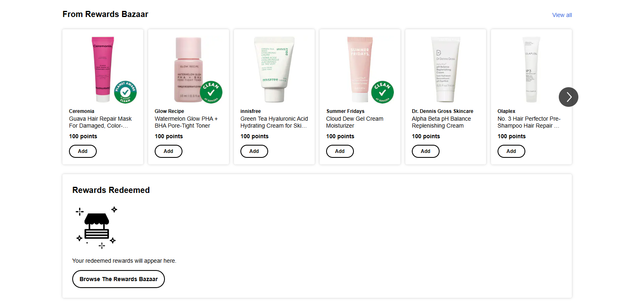
The Personalization Tactic: Sephora combines tiered benefits with customer choice at every level. The birthday gift is the clearest example: instead of sending everyone the same sample, members choose from eight or more different gift sets.
At checkout (or in-store), members select their preferred gift from options like Makeup by Mario Dream Lip Kit, Summer Fridays Self-Care Celebration, Kérastase Luxe Hair Duo, or Laneige Hydration Heroes. VIB and Rouge members unlock additional premium options (think Jo Malone London, K18, Gisou) that rotate throughout the year. If none of the physical gifts appeal, members can redeem 250 points instead.
No guessing what the customer wants. They tell you by choosing.
The Beauty Profile Layer
Sephora goes deeper with beauty profiles. Members complete questionnaires covering skin type, concerns, shade preferences, and product interests. This data powers AI systems like Skin IQ (skincare routine recommendations), Color IQ (foundation shade matching), and Virtual Artist (digital makeup try-on).
The result: a personalized homepage, targeted emails, and product recommendations that actually match preferences.
Why It Works
When people pick something themselves, they value it more. The tier structure adds a second motivator. "Spend $150 more to hit VIB and unlock better birthday gifts" drives incremental purchases. Customers aren't just earning points. They're working toward a goal.
And collecting preferences early pays off. Even basic data (skin type, favorite categories) lets Sephora send relevant offers instead of blasting the same promotion to everyone.
Merchant Takeaway
Two ideas to take from Sephora:
1. Give customers reward choices. Even two to three options beat one generic offer. This is the simplest form of personalization, and it works without any data. You don't need to know anything about the customer upfront; they self-select by choosing their reward.
2. Use tiers to create goals. "Spend $X more to unlock Y" is more motivating than flat points accumulation. Tiers give customers a reason to consolidate their spending with you instead of splitting it across competitors. The key is making each tier feel meaningfully different. If the only perk of your VIP tier is 2x points instead of 1x, that's not compelling enough.
What about preference collection? You don't need Sephora's AI budget. A quick quiz at signup (favorite product categories, preferred style, size) gives you enough data to segment campaigns. Tools like Octane AI or Typeform can collect this data and push it into Shopify customer tags.
How Joy Enables This
Joy supports tiered VIP programs starting from the Advanced plan. You can set tier thresholds based on spend, purchase frequency, or custom criteria.
For choice-based rewards, Joy's reward engine lets you create multiple redemption options at different point levels. Want to offer three gift options for birthdays? Set up three rewards at the same point value and let customers pick.
Preference collection is trickier; Joy doesn't have built-in quizzes. But you can use customer tags in Shopify to segment members by stated preferences, then combine with Klaviyo or Omnisend to send targeted campaigns based on those tags.
Start simple. Offer two to three reward choices. Add a tier. Then layer in preference-based targeting as you learn what customers respond to.
Case 4: Nike Membership — Non-Discount Rewards
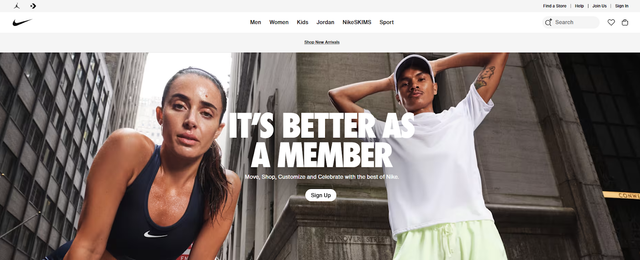
The Program: Nike Membership.
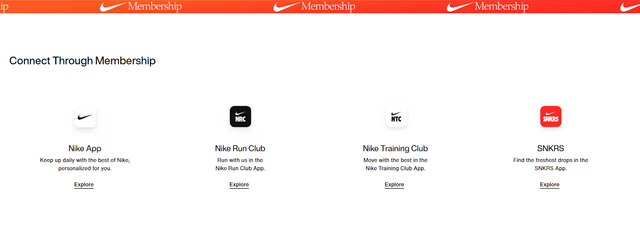
Free to join. Integrated across four apps: Nike App (products), Nike Run Club (running), Nike Training Club (fitness), and SNKRS (exclusive drops). No points. No tiers. Just access.
The Personalization Tactic: Nike rarely discounts. Instead, members get early access to product drops, ~170 member-only products, and personalized content based on activity data.
Nike Training Club shows how this works. Members set fitness goals and workout preferences. The app builds custom programs from 200+ workouts. Runners see run-specific training. Lifters get strength programs: same membership, different experience based on what you actually do.
Why It Works
Discounts erode margin. Nike operates at ~45% gross margin; every percentage off cuts directly into profit. But early access to a shoe drop? Zero cost. Personalized workout content? Zero marginal cost after development.
The lesson is about the exchange. Nike gives members something genuinely useful (content, access, status) and, in return, gets behavioral data and loyalty. Discounts give away margin. Value-added rewards build relationships.
Merchant Takeaway
Not every reward needs to cost you money. Think about what you can offer that has high perceived value but low marginal cost:
- Early access: Give members a 24-48-hour head start on new product launches or restocks. This costs nothing and creates urgency.
- Exclusive content: If you sell coffee, offer a brewing guide series only for members. Sell fitness apparel? Gate workout routines behind membership. Sell art supplies? Offer tutorial videos.
- Behind-the-scenes access: Show the design process, share factory visits, and preview upcoming collections. Customers who feel like insiders buy more.
- Member-only products: Even one exclusive colorway or limited-edition variant creates a reason to join.
Think about what your best customers actually want. Sometimes it's status, not savings.
How Joy Enables This
Joy supports non-discount rewards like early access and exclusive products. Use Avada Order Limits integration to restrict certain products to VIP tiers only.
For early access, create a tier benefit that gives members a 24-hour head start on new arrivals. Combine with Klaviyo to send "early access starts now" emails to your top tier. The email goes out before the product hits your homepage, making members feel genuinely special.
Case 5: H&M Member — Rewarding Non-Purchase Behavior
The Program: H&M Member.
Free to join. 120-150 million members globally. Members spend 3x more than non-members.
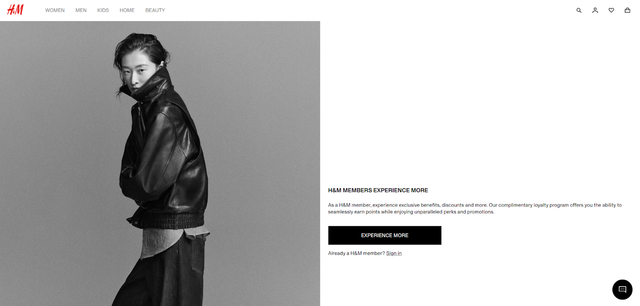
The Personalization Tactic: H&M rewards actions that signal customer values. Bring old clothes to recycle: 40 points + 15% off one item. Use your own reusable bag: 10 points. Choose slower "climate-smart" shipping: bonus points. Buy from the Conscious Collection: additional rewards.
These aren't just feel-good gestures. Every action reveals something about the customer. How often they recycle shows their commitment level. Shipping choices show eco-priority vs. speed-priority. No surveys required. Actions speak louder than questionnaires.
Why It Works
Values-aligned customers stick around longer. When someone recycles clothes at H&M, they're making a micro-commitment: "I'm the kind of person who cares about sustainability." That identity keeps them coming back to a brand that reinforces it.
The psychology is called identity signaling. People want to act consistently with how they see themselves. If your brand helps them express their values, you're not just selling products; you're reinforcing who they believe they are.
H&M's program also generates behavioral data without surveys. A customer who consistently chooses slow shipping and shops the Conscious Collection tells you everything you need to know about their priorities. You can target them with sustainability-focused content and products without ever asking them to fill out a form.
Merchant Takeaway
Reward actions that matter to your brand. Non-purchase rewards keep customers engaged between purchases and reveal preferences you can act on.
Here's how to think about it for your store:
- Reviews and UGC: Award points for leaving a review or sharing a photo. This generates social proof and tells you which products customers love.
- Referrals: Points for referring friends. You get a new customer, the referrer feels valued, and you learn who your biggest advocates are.
- Social engagement: Points for following on Instagram or joining your email list. Low-cost engagement that keeps your brand top of mind.
- Brand-aligned actions: If sustainability is part of your brand, reward eco-friendly choices. If community matters, reward event attendance or forum participation.
The key insight: every rewarded action is a data point. Use it.
How Joy Loyalty Enables This
Joy tracks and rewards non-purchase behaviors, including referrals, reviews, social follows, account creation, and newsletter signup. You can integrate with Judge.me, Loox, or Okendo to auto-award points when a customer's review gets approved.
For custom actions like "used reusable bag" or "attended workshop," set up manual point awards or create a Shopify Flow trigger based on order tags your team applies at checkout.
Case 6: The North Face XPLR Pass — Experience-Based Tiers
The Program: The North Face XPLR Pass
Free membership with points for purchases and experiences. Members earn rewards by engaging with the brand beyond transactions.
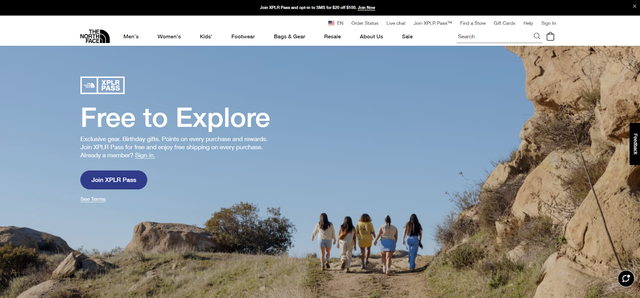
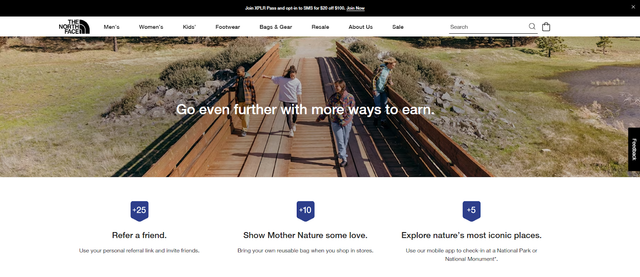
The Personalization Tactic: Points for participation, not just purchases. Check in at National Parks: earn points. Attend XPLR Pass Trail Days (group hikes, activities, lunch, exclusive merchandise): earn points. Return old gear through the Take Back program: earn points. Complete outdoor challenges: earn more.
Members also get 60-day exclusive field testing access to unreleased products and early access to limited editions. The rewards match the lifestyle, not just the shopping cart.
Why It Works
Participation creates identity. "I'm an outdoor person" is a stronger bond than "I shop here sometimes."
The cost model works too. Community events use existing brand infrastructure. Early access to products costs nothing to deliver. Digital challenges have minimal overhead. You're building emotional loyalty without margin erosion.
And every activity is a self-reported preference. Someone who joins a hiking challenge is telling you they're a hiker — without filling out a form. You can respond with relevant offers (hiking boots, trail gear) rather than generic promotions.
Merchant Takeaway
If your product has a lifestyle angle, reward participation in that lifestyle. Events (even virtual ones) create touchpoints between purchases.
A few ideas by store type:
- Outdoor gear: Run monthly challenges (hike X miles, share a trail photo). Reward with points and feature participants on social.
- Fitness apparel: Partner with local studios for member-exclusive classes. Award points for attendance.
- Food/beverage: Host virtual tastings or recipe challenges. Award points for participation.
- Craft supplies: Run "make something" challenges. Feature entries in a gallery. Award points for submissions.
Activity-based rewards surface customer interests without surveys. The data tells you what people care about. Respond with relevant offers.
How Joy Loyalty Enables This
Joy can reward event attendance or challenge completion through manual point awards. Create a reward action called "Attended Workshop" or "Completed Challenge" and let your team award points when customers participate.
For tracking offline engagement, use Shopify customer tags to segment members by activity type. Then combine with Klaviyo or Omnisend to send activity-specific campaigns. Hikers get hiking content. Runners get running offers. The segmentation is manual at first, but it compounds over time.
Case 7: Amazon Prime — Personalized Benefits Stack
The Program: Amazon Prime
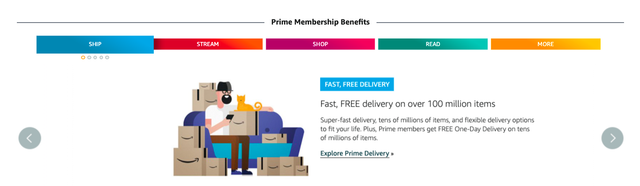
200+ million members globally. $139/year (or $14.99/month). Everyone gets the same benefits: streaming, shipping, music, pharmacy discounts, and grocery delivery. The personalization isn't in what you get. It's in how Amazon talks about it.
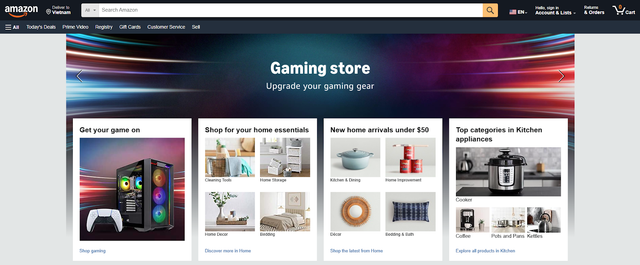
The Personalization Tactic: Amazon doesn't change Prime benefits based on behavior. They change which benefits they highlight. Machine learning tracks your streaming hours, order frequency, grocery shopping, and browsing patterns. Then it customizes what you see first.
Watch Prime Video weekly? Your homepage features new releases and trending shows. Order frequently? You see "Fast Delivery Available" and same-day options prominently. Buy groceries? Amazon Fresh and Whole Foods integration appears front and center.
Why It Works
Customers feel the program is "for them" even though everyone gets identical perks. It's framing, not substance. When Amazon emphasizes your most-used benefits, canceling feels like a personal loss — not a generic subscription you're dropping.
This is a subtle but powerful idea. Most merchants think personalization means creating different reward tiers or different offers for different customers. Amazon shows you can personalize the message without changing the product. That's simpler and often just as effective.
Merchant Takeaway
Merchant Takeaway
You can personalize communication without personalizing rewards. Highlight the benefits each customer actually uses.
Here's what this looks like in practice:
- A loyalty member who redeems points every month should get emails about new reward options and bonus point events.
- A member who's never redeemed should get a "here's how to use your 750 points" email with clear instructions and a specific reward suggestion.
- A member who referred three friends should get a message that emphasizes the referral program and thanks them for being an advocate.
Same program, different presentation. You're not creating complexity behind the scenes. You're segmenting your communication.
Paid programs work when perceived value exceeds cost. Personalized messaging increases perceived value without changing what you offer.
How Joy Loyalty Enables This
Joy integrates with Klaviyo, Omnisend, and Mailchimp for behavior-based email segmentation. You can create segments based on:
- Redemption history: Active redeemers vs. never-redeemed
- VIP tier: Different messaging for each level
- Points balance: High-balance members get redemption nudges
- Referral activity: Active referrers get advocacy-focused messaging
Build three to four core segments. Write one email template per segment. Schedule monthly sends. That's enough to make every member feel like the program was built for them.
II. 6 Personalization Tactics That Work
Personalization comes down to two categories: give customers choices, or respond to their behavior. Here's a quick reference to help you pick the right tactic for your store.
Choice-Based Tactics
These put customers in control. They decide how to engage.
Behavior-Based Tactics
These respond to what customers already do. No input required from them.
Where to start? If you're not sure, begin with reward choice. It's the simplest to set up, requires zero customer data, and shows results quickly. Songmont saw a 5x redemption increase just by letting customers pick their own reward.
Once you have three to six months of data, layer on behavioral triggers using Shopify Flow and your email tool.
III. FAQs
Do I need a big budget to personalize my loyalty program?
No. Songmont generated $110,000 in assisted revenue within 14 days using a simple choice-based structure. Custom in-house builds can cost $500,000+ in the first year. SaaS platforms run $50-$500/month. Start with one approach: offer two to three reward options, or set up one behavioral trigger based on purchase history.
What's the easiest personalization tactic to start with?
Customer choice. Instead of one generic reward, offer two to three options at each point level. Songmont and Sephora both use this approach. It requires minimal data but meaningfully increases redemption. Songmont saw 5x redemption after switching to choice-based rewards. Once you see which rewards customers prefer, you can add behavioral triggers later.
How do I measure if personalization is working?
Track redemption rate, not enrollment. Enrollment tells you people signed up. Redemption tells you people care. If customers aren't redeeming, your rewards don't match what they want. Songmont's 5x Black Friday redemption spike proved their choice-based approach was working.
Also, watch the repeat purchase rate among loyalty members vs. non-members. If the gap isn't meaningful, your program needs work.
What if I don't have enough customer data for behavioral triggers?
Start with customer choice instead. Letting customers pick their own reward doesn't require prior behavior data — it's a self-reported preference. As you collect purchase history over six to twelve months, you can layer on behavioral triggers like win-back emails, milestone notifications, and personalized product recommendations.
How does Joy compare to other Shopify loyalty apps for personalization?
Joy's strength is flexibility. You can configure multiple reward types (discounts, products, free shipping, early access), set custom earning rules for non-purchase behaviors, and build tiered VIP programs all without code.
Where Joy currently has limitations: no built-in quizzes for preference collection (use Octane AI or Typeform + Shopify tags as a workaround), and behavioral triggers require integration with Klaviyo or Shopify Flow rather than being native to Joy.
Ready to start personalizing your loyalty program? Try Joy Loyalty free and set up your first choice-based reward.