
Loyalty Programs in Europe: 4 Programs Worth Studying
Europeans join fewer loyalty programs and share less data.

Summarize this post with AI
Europeans are the most loyal members of the world. They join an average of nine programs, compared to 10.72 globally and over 15 in the US. According to the drum, 24% see the value of personalization as stemming from data sharing.
The common explanation is data privacy. But according to Customerland, 89% of consumers share data willingly when the value exchange is clear. Europeans don't resist data sharing. They resist bad deals.
The gap between membership and engagement is a trust problem, not a privacy problem. And the numbers show it: nearly 72% of European companies plan to revamp their loyalty programs. Program owners see the disconnect between investment and ROI.
The four programs below cracked this. Each case breaks down a specific trust-building approach, why it works in its market, and how you can apply the same principle to your own program.
Key Takeaways
- Europeans join an average of 9 loyalty programs but engage selectively. The gap between membership and engagement is a trust problem, not a privacy one.
- Europe's loyalty market hits $19.64 billion in 2025, growing at 12.8% CAGR, but 72% of companies plan to revamp their programs.
- 89% of European consumers share data willingly when the value exchange is clear. They resist bad deals, not data sharing.
- The four winning strategies: consistency over 30+ years (Miles & More), instant gratification (Program Fidélité), emotional connection, and transparent value exchange.
- GDPR reflects cultural privacy values. Programs that earn trust through transparency get concentrated spending and higher lifetime value.
I. Europe's Loyalty Market: $19.64 Billion Built on Shaky Trust
Europe's loyalty market hits $19.64 billion in 2025, growing at 12.8% CAGR. But growth masks a trust crisis that shows up in three patterns.
Selective Membership
Europeans join nine programs on average, compared to 15+ in the US. Decades of devalued points and changing terms created gatekeepers, not enthusiasts. For brands spending $10K+ monthly on customer acquisition, these selective consumers represent both a challenge and an opportunity. They're harder to enroll, but their loyalty, once earned, delivers higher CLV because they consolidate spending in fewer programs.
Data Resistance
With only 24% seeing real value in sharing data for personalization, the rest demand a clear value exchange first. Europeans have watched programs collect insights while returning generic discounts. The asymmetry is obvious to them.
Transactional Fatigue
81.4% say programs "helped" during economic pressure, but only 43% report increased loyalty. That gap tells the story: most programs have become discount tools rather than trust mechanisms. And discounting is a race to the bottom that erodes margins without building repeat purchase behavior.
Why Europe is different: GDPR reflects cultural privacy values rather than just compliance requirements. Longer program histories mean more broken promises per capita. The result: skeptical consumers who don't give loyalty freely, but reward brands that earn it with concentrated spending and higher lifetime value.
II. Top Loyalty Programs In Europe Worth To Learn
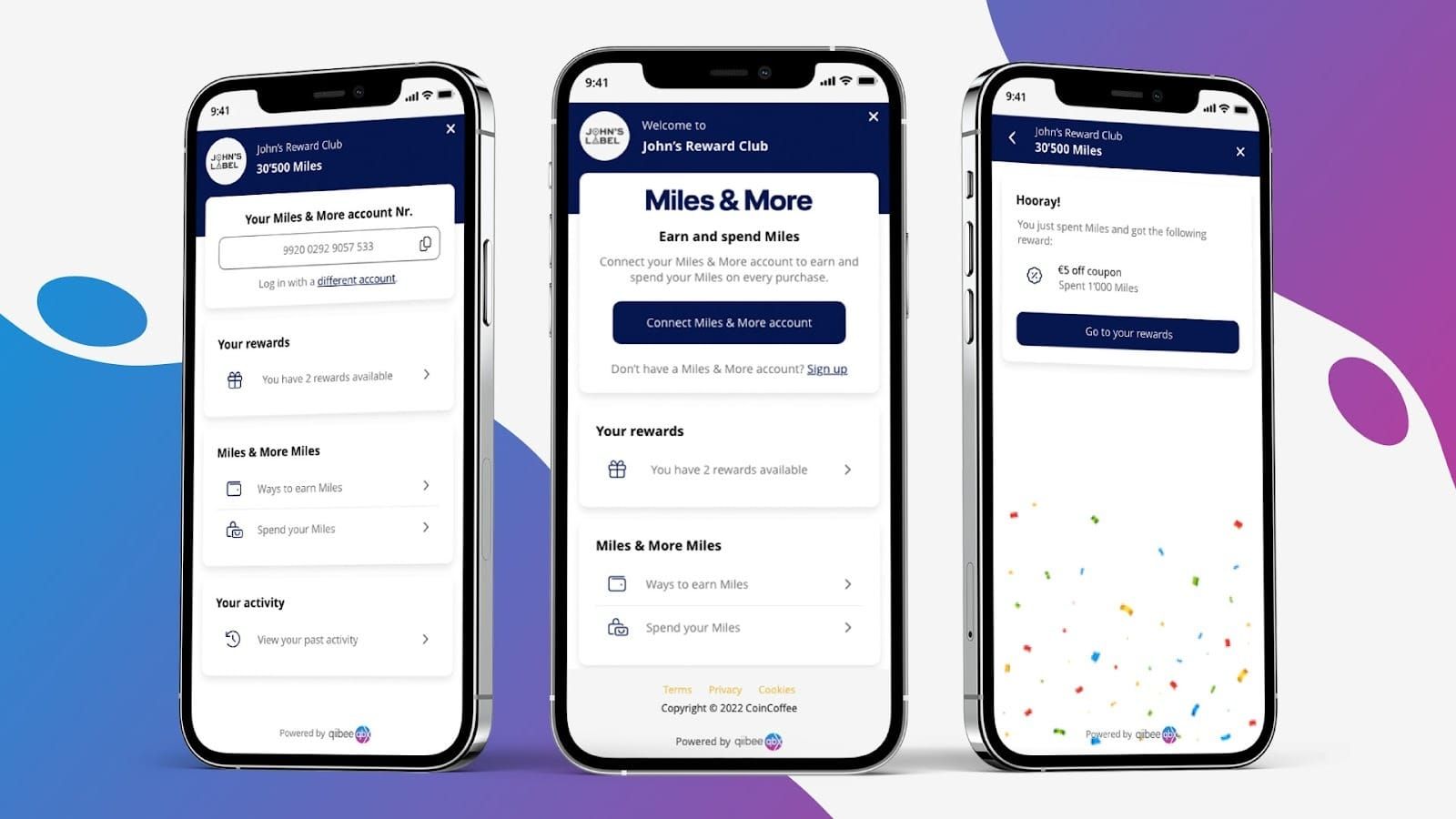
Case #1: Miles & More - Trust Through Consistency
How Miles & More Built Trust
DACH consumers ask one question before committing: "Will you change the rules on me?" For 30 years, Miles & More answered with actions:
- Stable earning rates. Members knew exactly how many miles they'd earn per flight, year after year. No surprise recalculations. No "dynamic earning."
- Predictable status thresholds. Senator status required the same qualifying points for decades. Members could plan their travel around clear, consistent targets.
- Reliable redemption values. A Frankfurt-New York business class award cost the same miles in 2020 as it did in 2015. Members trusted that their miles would hold value.
- Earning beyond flights. 175+ partnerships with hotels, car rentals, and credit cards let members accumulate value even when not flying. This expanded the program's utility without diluting its core promise.
What Broke (2024-2025)
Then Miles & More did exactly what DACH skeptics expected.
January 2024: Senator status jumped to 2,000 qualifying points, HON Circle to 6,000, and status validity dropped from two years to one. Members who had planned multi-year earning strategies found the goalposts moved overnight.
June 2025: Fixed award charts disappeared, replaced by dynamic pricing. Premium awards now cost significantly more miles with no ceiling. The implicit promise -- "your miles are worth X" -- vanished.
Trust Lesson
Consistency answers the question flashy features cannot: "Can I count on you?" It takes years of stable behavior to build trust, and one rule change to destroy it.
Actionable Takeaway
Before changing your program's rules, identify the implicit trust promises you've built. Calculate the trust cost alongside the revenue gain. If changes are necessary, communicate transparently and give members time to adjust.
Don't call a devaluation an "upgrade." Your members track the math.
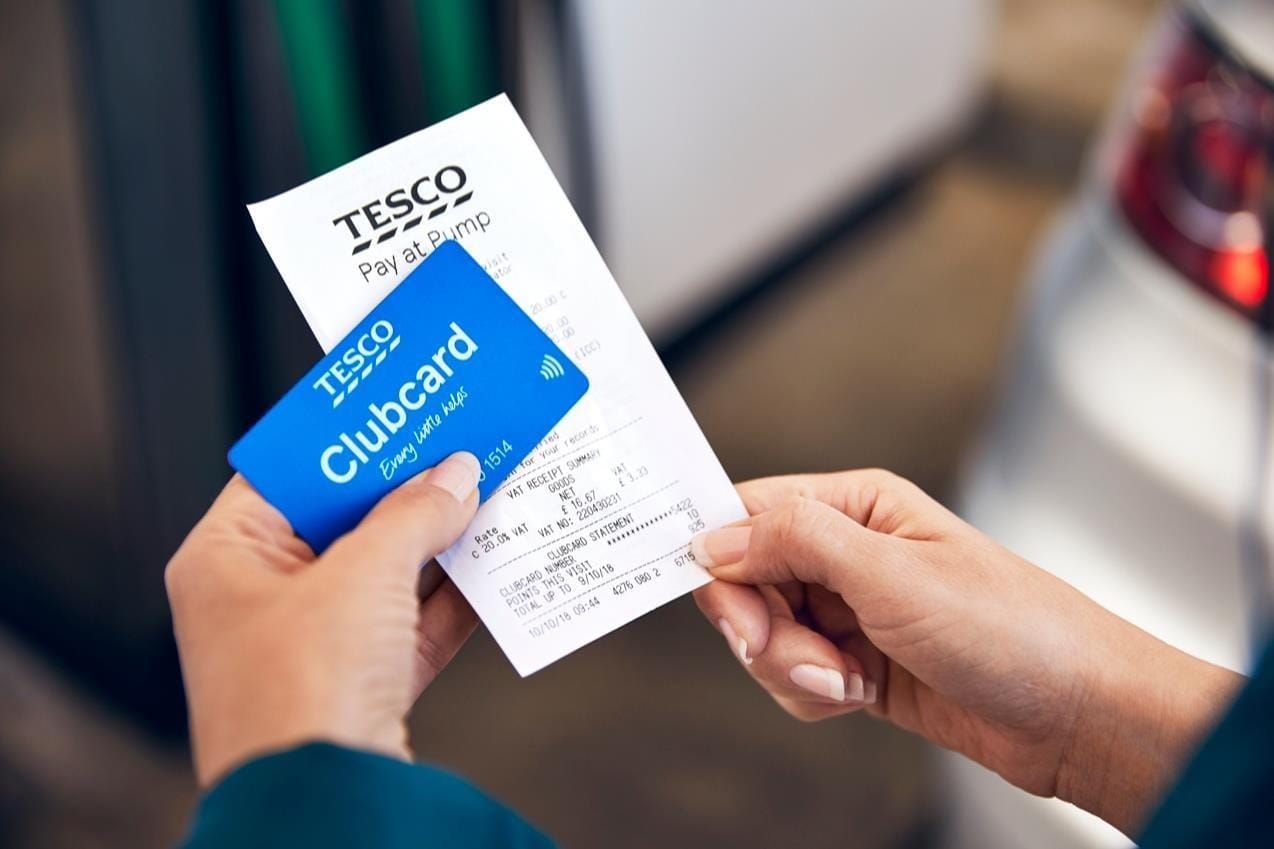
Case #2: Tesco Clubcard — Trust Through Frictionless Value
Program Snapshot
How Tesco Builds Trust
- Visible value at the shelf: Clubcard Prices are available on 8,000+ products with discounts up to 50%. Members see savings at the shelf, not buried in point calculations they need a spreadsheet to decode. Average annual savings reach up to £385 per member.
This matters for retention because visible value creates daily proof. Every grocery trip reinforces the decision to stay enrolled. No waiting for quarterly statements or year-end summaries.
- Zero-friction mechanics: One point per £1 spent. No complex tiers. Instant redemption through the app. 71% of members use the app regularly because it respects their time. The simplicity is the feature.
- AI-powered personalization that gives back. This is where Tesco gets interesting. Clubcard Challenges uses AI to create personalized tasks, such as "spend £20 on BBQ products in six weeks," for up to £50 in bonus points. As a result, 76% of visitors became active players, and 62% completed at least one challenge.
The deal is transparent: share shopping data, get genuinely relevant offers. Not generic coupons. Not "personalized" emails that clearly aren't. Actual offers tied to actual purchase behavior.
Trust Lesson
Convenience signals respect. Show value upfront, make mechanics simple, and use data to benefit members, not just collect it. When customers see clear evidence that sharing data improves their experience, the "data resistance" problem solves itself.
Caveat
Tesco's scale (16.3 million app users) enables an AI infrastructure that smaller retailers can't replicate directly. But the principle scales down: make value visible and immediate, and keep mechanics simple enough to explain in one sentence.
Case #3: Payback — Trust Through Coalition Convenience
Program Snapshot
How Payback Builds Trust
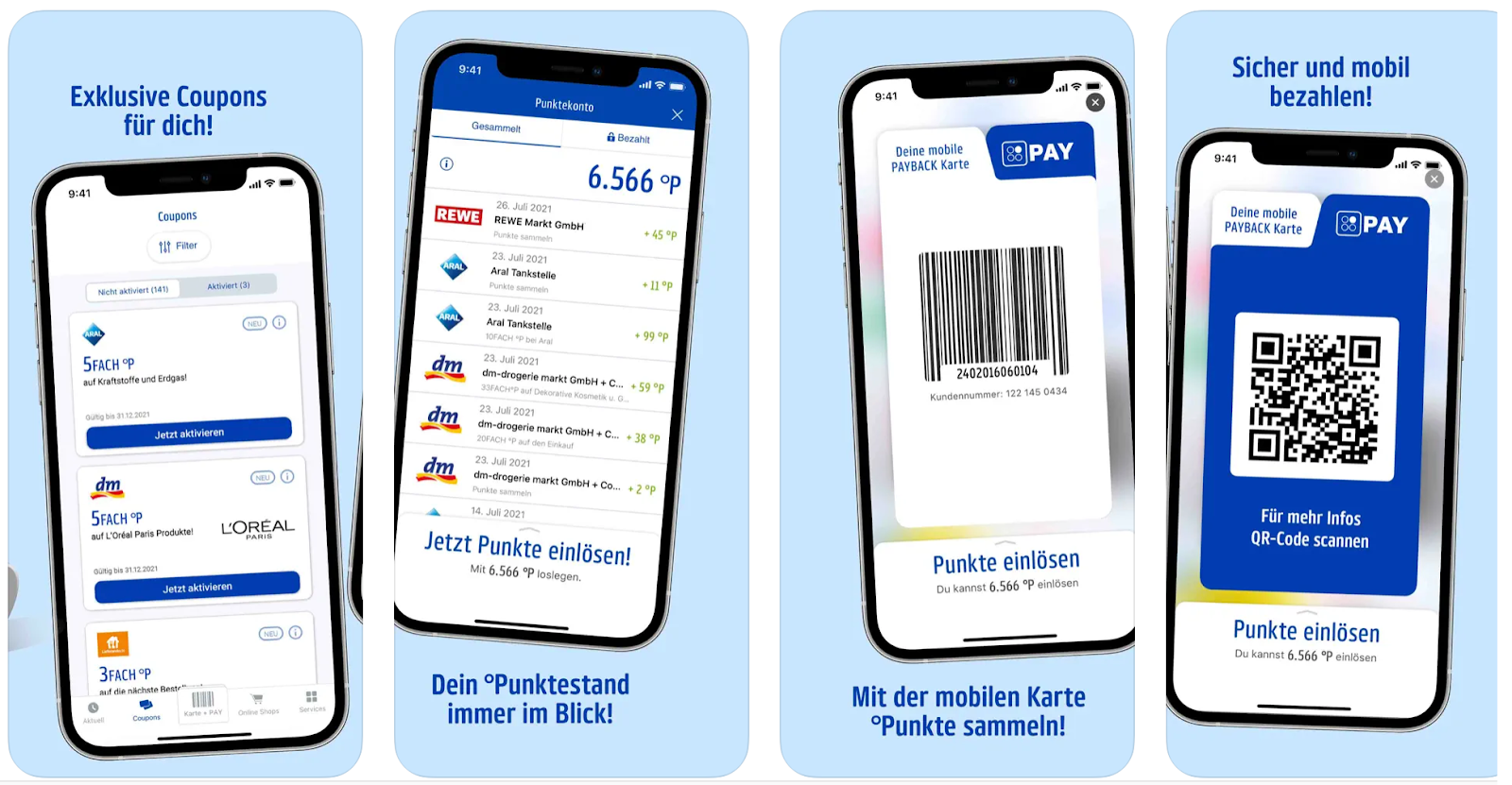
One program covers everything: Partners include dm-drogerie markt, Aral, Amazon, REWE, and from 2025, EDEKA, Netto Marken-Discount, and Sparkassen banks. Members earn points at the supermarket, pharmacy, gas station, and now with every debit card transaction.
No need to manage multiple accounts or track separate balances. One card, one balance, one redemption system across daily spending categories.
High redemption proves value: 95% of points get redeemed, compared to the industry norm of 80-90%. Even more, 65% redeem at point-of-sale during checkout. Members see immediate value rather than hoarding points they don't trust will hold.
This is a critical signal. When redemption rates are high, it means members believe the value exchange is real. When points sit unredeemed, it usually means members don't trust the program enough to engage with it.
Scale signals permanence. With 4.2 million daily transactions and a 25-year track record, members trust that Payback will still exist when they're ready to redeem. In a market where consumers have watched programs launch and disappear, longevity is itself a form of trust.
Trust Lesson
Europeans join an average of 9 programs, and managing multiple memberships is exhausting. Payback occupies one slot but covers multiple spending categories. The 95% redemption rate proves members believe in the value exchange. Coalition convenience reduces friction, and reduced friction increases engagement.
For Shopify, the fewer steps between earning and redeeming, the more your customers will trust and use your program. Joy's checkout-integrated rewards work on this same principle, making redemption visible and immediate, not something customers have to hunt for.
Caveat
Coalition dilutes individual brand identity. Partners have less control over messaging, and loyalty is partly to the coalition rather than to any single brand. In European markets, where convenience often trumps personalization, this trade-off works. For standalone brands building direct relationships, the takeaway is the redemption principle, not the coalition model.
Case #4: H&M Conscious Points, Trust Through Verifiable Actions (And the Greenwashing Risk)
Program Snapshot
How H&M Builds Trust
Reward specific actions, not vague intentions: Members earn $15 for documented garment recycling, processed and tracked in real-time. Conscious Points apply only to items with verified green labels visible in-store. No abstract "eco-points" with hidden definitions.
Back claims with public data: H&M Group reports 23% Scope 3 emission reductions and coal phase-out across suppliers, earning an A+ transparency score from external auditors. Members can verify that sustainability rewards connect to actual brand behavior, not just marketing copy.
Integrate green rewards into base pricing: Sustainability features come standard, not as premium-tier exclusives. This avoids the price-sensitivity trap, where Europeans want sustainable options but reject inflated "eco" pricing. When green rewards cost extra, they feel like a tax. When they're built in, they feel like a benefit.
The Greenwashing Risk
Green loyalty destroys trust faster than it builds it. Research shows greenwashing has a β = -0.68 impact on consumer trust, with significantly larger effects in fashion than in food. Meanwhile, 72% of European consumers actively avoid companies with questionable climate claims, and 70% demand scientific data backing any sustainability messaging.
The risk is asymmetric. Getting sustainability right earns incremental trust. Getting it wrong triggers backlash that exceeds any benefit from appearing eco-friendly.

Trust Lesson
Green loyalty works when three conditions are met: claims are verifiable with public data, rewards align with the brand's actual behavior, and sustainable options don't carry a price premium. Miss any one of these, and the program backfires.
Caveat
Even with a strong structure, H&M faces baseline skepticism. Fast fashion raises inherent questions about circularity, and Conscious Collection represents only 5-10% of inventory. The mechanics are right, but execution clarity determines whether the program builds or erodes trust. For any brand adding sustainability to its loyalty program, the bar is high -- and the downside of falling short is worse than not trying at all.
III. What These Four Programs Have in Common
These programs operate in different sectors, markets, and scales. But they share one approach: earning trust before asking for transactions.
Miles & More and Tesco represent opposite ends of the trust spectrum. Miles & More built trust through decades of stability, then destroyed it with sudden changes. Tesco builds trust through daily visibility, making value impossible to miss at every grocery trip. One relied on consistency over time. The other relies on consistency in every interaction.
Payback proves that convenience is a form of respect. When you reduce friction across daily spending categories, members engage more because the program respects their time and mental load. The 95% redemption rate isn't a vanity metric; it's proof that members believe the value exchange is real.
H&M shows that values-based loyalty can work, but only when claims are verifiable and transparent. In a market where 72% of consumers avoid brands with questionable sustainability messaging, "green" programs without public data become liabilities rather than assets.
The common thread: in a market where only 24% share data freely, trust isn't a nice-to-have. It's the competitive edge that separates programs consumers actively use from programs they ignore.
Here's a quick comparison of all four:
IV. How to Apply These Trust Principles to Your Shopify Store
These are massive enterprise programs. You can't replicate Tesco's AI infrastructure or Payback's 700-partner coalition. But the trust principles scale down to any Shopify store.
Consistency (Miles & More's lesson): Set clear earning and redemption rules, and keep them stable. If you need to change terms, communicate early, explain why, and give members time to adjust.
With Joy, you can configure earning rules once and keep them consistent, and your customers can see exactly what their points are worth at checkout.
Visible value (Tesco's lesson): Show rewards at the point of decision, not buried in account dashboards.
Joy's checkout-integrated redemption lets customers see and apply their rewards during purchase, not after they've already decided to buy. That visibility turns loyalty from an afterthought into a purchase motivator.
Simple mechanics (Payback's lesson): Reduce friction between earning and redeeming.
Joy supports single-step redemption at checkout; no separate portals, no minimum thresholds if you don't want them, no complicated tier math. The fewer steps between "I have points" and "I saved money," the more your customers trust the system.
Verifiable claims (H&M's lesson): Don't promise what you can't prove.
Joy tracks assisted orders; orders placed through referral links or using loyalty-generated discount codes, so you can measure actual revenue impact, not vanity metrics. When you tell customers your program delivers value, you have the data to back it up.
Most competitors still run transactional playbooks: earn points, spend points, repeat. The programs in this article prove that trust-first design outperforms transaction-first design in Europe's selective market. The same principle applies to any Shopify store where repeat purchases drive profitability.
Start building a trust-first loyalty program for your store →

Written by
Thomas Nguyen is the CEO & Co-founder of Joy, a loyalty solution for Shopify and eCommerce brands. With years of experience building high-performance Shopify apps, Thomas aims to help merchants grow through customizable and retention-focused tools.
Related reading
 Global Markets
Best Loyalty Programs in Malaysia: Market Trends, Top Examples
Malaysia's loyalty market is projected to hit US$784 million by 2029, growing at 18.2% CAGR.
 Thomas Nguyen
 Global Markets
Top Loyalty Programs in the UAE: Which Ones Actually Reward Sustainable Choices
Not every loyalty program in the UAE delivers on its promises.
Thomas Nguyen Shopify apps
FTC Review Rules: Points for a 5-Star Review Are Illegal
Points for a review are lawful; points for a positive one are not. A per-app scorecard across six Shopify review apps.
Thomas Nguyen Global Markets
Loyalty Programs in South Africa: The Top Programs and How They Work
An in-depth guide to the top loyalty programs in South Africa, including how each one works, their earn rates, and which rewards actually deliver value for everyday shoppers.
Thomas Nguyen Shopify apps
EU Withdrawal Button Apps: Two Start Free, One Charges
EU Directive 2023/2673 became mandatory on 19 June 2026. Four withdrawal-button apps on price, scope and what each listing leaves out.
Thomas Nguyen Global Markets
UK Loyalty Schemes: The £9 Billion Market and What Business Leaders Need to Know
We broke down 10 schemes, from Tesco Clubcard to Wise, across technology, psychology, and operations to show what actually drives retention and how to apply it to your own store.
Thomas Nguyen