Christmas has changed dramatically, especially when tariffs push costs up firmly, and many new options launch every day. Purchasers now take more consideration of the real value before making their buying decision.
This pressure forces merchants to think beyond loud offers and explain clearly what customers actually get in return for their money. After working with many merchants on loyalty programs, I have seen how easily campaigns fail because of overspending on discounts. In this blog, I will walk you through Christmas marketing ideas that help you stand out while highlighting what really hooks customers.
Key findings:
- 76% of customers say they feel overwhelmed by too many product choices
- 81.4% of U.S. consumers worry about tariffs and feel sensitive to price
I. What actually drives Christmas customers’ buying decisions?
1. Price as the first filter
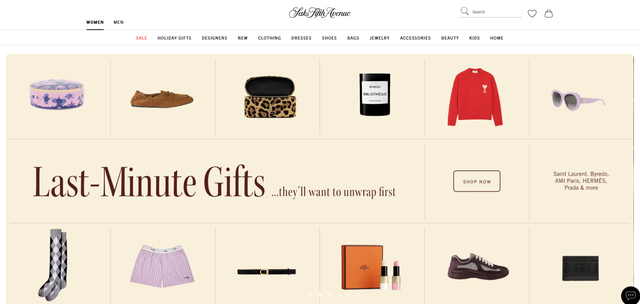
At Christmas, shoppers still favor brands they love, but price becomes the first filter they apply. According to Deloitte, nearly 62% of seasonal shoppers will switch brands when a preferred option feels too expensive. This does not mean customers chase the lowest price. This does not mean shoppers chase the cheapest deal. It means they quickly reject offers that fail to explain why the price makes sense for a Christmas gift. Effective Christmas marketing, therefore, focuses on making value obvious at first glance through clear total cost, gift ideas grouped by budget, and bundles that feel like thoughtful choices rather than discounts.
In short, price decides whether your gift stays in consideration. Christmas marketing must make the value behind the price easy to see before shoppers move on.
2. Value perks that justify the price
Once price passes the initial filter, shoppers look for reasons to feel confident about their buying decisions. At Christmas, value is defined by ease and reassurance, not by extra items added to the cart. According to YouGov, nearly 51% of purchasers returned policies into their decision, while KPMG finds that 42% of consumers abandoned purchases when free delivery or returns are missing. These numbers show why thoughtful perks work. They justify the price by reducing regret, not by adding noise.
In short, value perks justify the gift. They turn a priced item into a confident Christmas choice by reducing risk and stress.
3. Delivery confidence as a deal breaker
In December, delivery is part of the gift itself. A late arrival turns excitement into disappointment, no matter how good the product is. Research from Ipsos and Octopia shows that 85% of shoppers always check delivery conditions before completing a purchase, which explains why uncertainty here stops conversion instantly. Strong Christmas marketing treats delivery as a promise that reassures shoppers right up to the final day.
In short, delivery confidence protects conversion. A clear and trusted delivery promise keeps Christmas excitement intact and prevents last-minute drop off.
II. Christmas Marketing Ideas to Increase The Conversion Rate
The Christmas marketing ideas below are built around what truly drives buying decisions during the holiday season. They respond to the three pressures shoppers feel most at this time of year: higher price sensitivity, the need for thoughtful reassurance, and the expectation of a delivery promise they can trust. Each idea is designed to help shoppers choose faster and buy with confidence, even in a crowded market.
1. Build the gift guide
During Christmas, gift guides are not about inspiration. They are about reducing hesitation when shoppers feel time pressure and choice overload. When budgets tighten, and comparison happens fast, value must be clear within a few seconds, or shoppers move on.
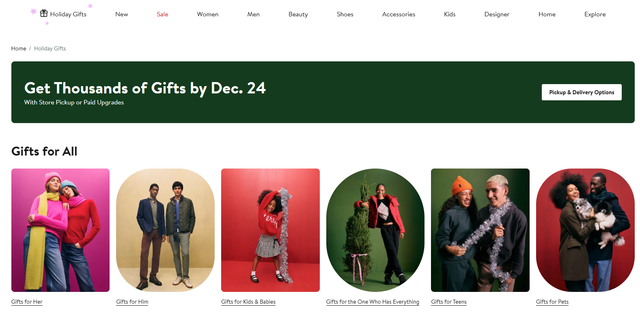
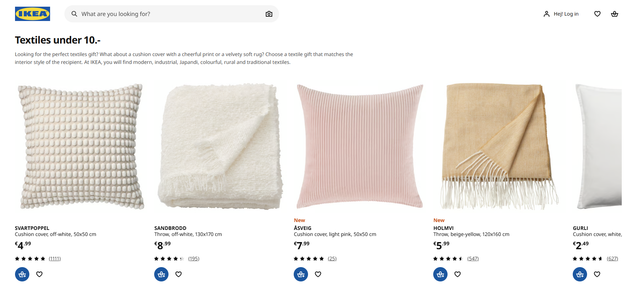
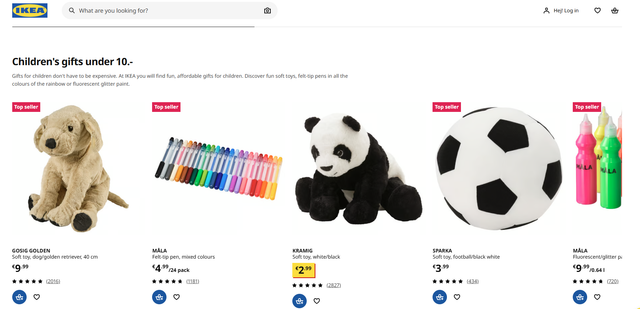
Start with budget-based gift guides that match how people plan Christmas spending. Create clear entry points such as gifts under 25 dollars for stocking fillers, under 50 dollars for friends and coworkers, and under 100 dollars for close family. Each price range should solve a specific gifting situation, not mix unrelated products. Avoid bundles built to clear slow inventory, because shoppers sense that quickly and lose trust.
Another option is to build recipient-based gift guides that mirror real Christmas thinking. Many shoppers know exactly who they are buying for but struggle to decide what feels right. Guides like gifts for mum, gifts for your partner, or gifts for a close friend reduce that uncertainty by narrowing the choice to items that already feel appropriate. This keeps shoppers focused instead of bouncing between categories.
Campaign execution tips for Christmas gift guides
- Label each guide with a clear Christmas purpose, such as easy gifts under 50 dollars or last-minute gifts that always land well.
- Keep each bundle gift ready by pairing items that are commonly bought together and fit naturally into one present.
- Refresh the order of products weekly during December based on stock levels and demand.
2. Turn loyalty perks into practical Christmas upgrades
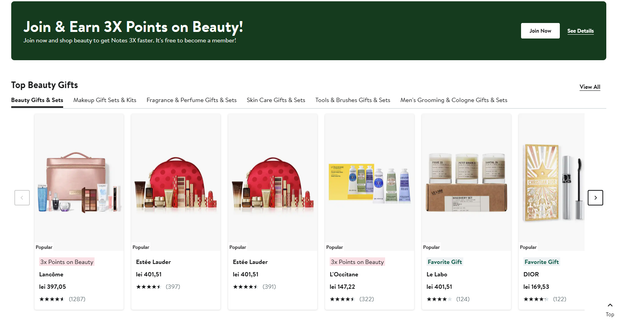
At Christmas, even loyal customers pause when a purchase feels uncertain or slightly inconvenient. Triple points and VIP upgrades work because they give returning shoppers a reason to move now instead of waiting, especially when budgets feel stretched across many gifts.
This matters because retention carries real weight during peak season. Even a small lift in repeat purchase can deliver a disproportionate return, as loyal customers already trust the brand and need less convincing.
With Joy, loyalty perks work best when they function as practical Christmas upgrades, not another form of discounting. Instead of pushing points as a future reward, use them to cover the moments that cause hesitation right before checkout.
Campaign execution tips for Christmas loyalty perks
- Promote points as instant Christmas helpers, such as using points for free shipping on gifts or redeeming points to unlock extended holiday returns.
- Trigger double or triple points during high intent periods like final shipping cutoffs, etc.
- Show loyalty perks clearly on product pages and at checkout, etc.

3. Perks add more meaning
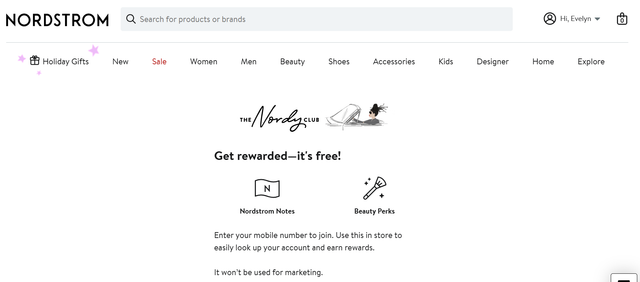
Many brands add perks at Christmas, yet most shoppers scroll past them. When a perk does not make the gift feel more thoughtful or the purchase feel easier, it fails to influence the decision. That is the line between a perk that sounds appealing and one that actually drives action.
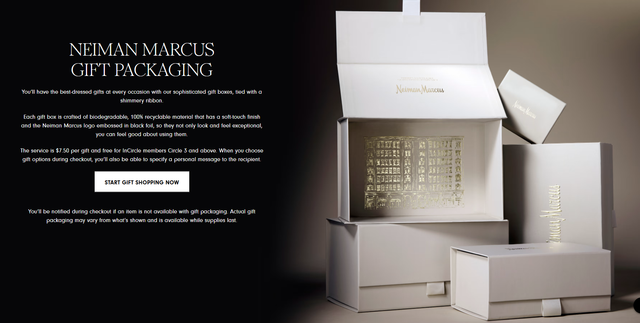
Focus on perks that make the order gift ready in one step. Gift wrap, a handwritten message, or a simple Christmas card add emotion without adding effort. Place these options directly on the product page and in the cart, where choices are made, not after checkout. When a perk is instant and visible, it removes hesitation and helps shoppers commit.
4. Perks that remove risk
Perks that remove risk help you stand out because they turn hesitation into confidence. At Christmas, shoppers are buying for someone else. If they are unsure whether a wrong size can be fixed, a late delivery can be resolved, or a damaged item can be replaced quickly, they pause. Strong Christmas perks act as a safety net.
Campaign execution tips for risk-removing Christmas perks
- Extend holiday returns automatically for all December orders and label them clearly as returns accepted until January.
- Add a short reassurance line near the Add to cart button, such as easy exchanges or holiday returns included.
- Enable self-serve exchanges directly from order confirmation emails
- Highlight fast support promises in the cart and checkout
- Repeat risk-free messages in Christmas emails
5. Set a clear shipping time promise
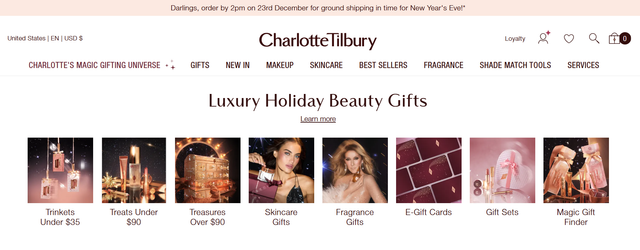
In late December, delivery confidence is what closes the sale. They are asking 1 question only: Will this arrive in time? If the answer is unclear, they hesitate. That is why a clear shipping time promise must be visible before a shopper commits, not buried in policy pages.
Campaign execution tips for Christmas shipping promises
- Display delivery arrival dates in plain language, such as arrives before Christmas Eve
- Update shipping cutoffs daily during the final week to avoid outdated promises that break trust
- Pin last order reminders in your site header
- Add a reassurance line in the cart

6. Offer a price lock promise on hero gifts
Hero gifts can carry your Christmas season, but they also carry risk. When brands push the price of best sellers too aggressively, shoppers start watching for signs of price games. A sudden increase breaks trust fast. And once trust breaks during peak season, the loss goes beyond a single order. Shoppers simply buy the same gift elsewhere and rarely come back. That is why hero gifts need clear rules.
Price stability stops shoppers from waiting for a better deal and prevents internal panic that leads to last-minute discounting. It also reassures loyal customers that buying early will not cost them more later, which helps pull purchases forward instead of pushing them into hesitation.
Campaign execution tips for hero gift price stability
- Choose hero gifts with steady demand and a healthy margin
- Add a visible price promise badge near the price, such as price locked until Christmas
- Repeat the price promise in gift guides and Christmas emails
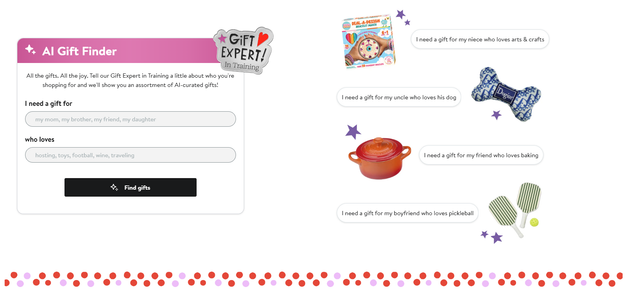
7. Create a gift finder that reduces gift regret
In December, shoppers are short on confidence. When the catalogue feels endless, they second-guess their choice, open more tabs, and delay the decision until they leave altogether. A Christmas gift finder works because it replaces open-ended browsing with a guided path that feels manageable and reassuring.
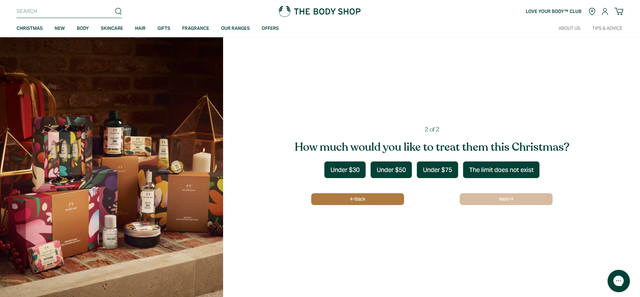
Campaign execution tips for Christmas gift finders
- Place the gift finder on your homepage and gift guide pages
- Show six to ten results that match the answers
- Prioritise results that are well stocked and shipping safely
- Refresh result ordering weekly in December based on sell-through and delivery cutoffs
III. Frequently asked questions about Christmas marketing
1. When should I start Christmas campaigns if I am a small brand?
For small brands, Christmas marketing should start earlier than many expect, but with a lighter touch. The right moment is when shoppers begin planning, not when they are ready to make a purchase. This typically occurs in late October or early November, when people begin browsing gift ideas and setting budgets.
2. How much discount is too much for my brand positioning?
A discount becomes too much when it turns into the main reason people buy. At that point, the product stops being the hero, and price becomes the product. During Christmas, this risk grows fast because shoppers are exposed to constant deals.
3. How do I run Christmas campaigns without annoying my list?
At Christmas, inbox fatigue is real, but silence costs more than presence. The difference lies in relevance. Campaigns become annoying when every message pushes the same offer with growing urgency. Instead, structure your Christmas emails around shoppers' needs at different moments.
Early emails help people plan and choose. Mid-season emails reduce hesitation with perks and delivery reassurance. Final emails focus on deadlines and last-minute solutions. When each message solves a different Christmas problem, frequency feels helpful rather than intrusive.
4. How do I combine Christmas promotions with a loyalty program?
Christmas is when loyalty programs perform best because returning customers already trust your brand, but still face gifting pressure. The key is to use loyalty as support, not decoration.
Tie Christmas promotions to actions, such as earning extra points on gifts, redeeming points for shipping or returns, or unlocking VIP delivery upgrades. This approach rewards loyalty while helping customers complete purchases they are already considering. It also protects the margin better than storewide discounts.