Replacing a driver is expensive, and fleets feel it fast. Hiring, onboarding, training, and keeping a truck idle while you search for someone new all cost money. And the problem is not getting smaller.
In 2024, the U.S. trucking industry brought in about $906 billion in freight revenue. The American Trucking Associations also said the driver shortage could reach 82,000 by the end of 2025 and 160,000 by 2028. On top of that, a Fall 2025 survey found that 56.3% of drivers were actively looking for a new job.
That is why most driver loyalty programs do little. A bonus at the end of the quarter or a safe-driving plaque may look nice, but they usually do not give drivers a real reason to stay. Soon, fleets are back in the same cycle: hire, train, lose the driver, and start over.
This article looks at the best driver loyalty program examples, what makes them work, and how to build one that drivers actually value. Not every idea will fit your fleet. The goal is to find what works and adapt it to your business.
Key Takeaways
- Successful driver loyalty programs reward behavior (safety, efficiency, ratings), not just tenure.
- Tiers create switching costs that cash bonuses can't. A driver at Gold won't restart at Bronze somewhere else.
- If a driver can't explain your program in 30 seconds, it's too complicated.
- Survey your drivers before building anything. 61% would take lower pay for more home time.
- Clear IRS, OSHA, and DOT hurdles before launch. Gift cards are taxable at any amount.
- Pilot with 15-20 drivers for 60 days. If participation drops below 50% by month three, fix the design.
Best Driver Loyalty Programs: 6 Examples Worth Stealing
We analyzed programs across five driver verticals: ride-hailing, fuel stops, carriers, freight brokerages, and corporate fleets. Each one takes a different approach. Here's how they compare at a glance:
| Program | Type | Best For | Key Reward | Unique Mechanic |
|---|---|---|---|---|
| Uber Pro | Gig / ride-hailing | Quality-focused drivers | 100% ASU tuition | Quality-gated tiers |
| Pilot PushForPoints | Fuel stop | Long-haul OTR drivers | Points per gallon | Zero-friction earning |
| Schneider Advantage Club | Carrier | Long-tenure drivers | VIP events + recognition | 5-year milestone threshold |
| Trucker Tools | Broker-side | Owner-operators | Gift cards at 200+ retailers | Broker-funded, driver-earned |
| Sprint Mart Professional Driver | Fuel stop | Professional CDL drivers | Free showers + cab comfort gear | Driver-specific reward menu |
| DHL Driver Performance | Corporate fleet | Delivery drivers | Performance bonuses | Customer satisfaction scoring |
Now let's break down what makes each one work, and what you can steal.
Get the Driver Loyalty Program Launch Kit
Templates, worksheets, and checklists to design, launch, and measure your driver loyalty program in 90 days.
No spam. Unsubscribe anytime.
1. Uber Pro
Many driver rewards programs feel shallow. More trips, more badges, same job. Uber Pro stands out because it ties status to service quality, not just activity.
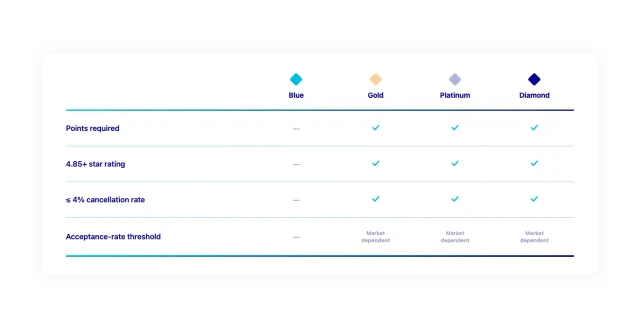
Uber Pro has four tiers: Blue, Gold, Platinum, and Diamond. In the U.S., drivers earn points during fixed 3-month periods, and Gold, Platinum, and Diamond require more than points alone. Drivers also need at least a 4.85-star rating and a 4% or lower cancellation rate. In some cases, Uber also applies an acceptance-rate threshold based on the driver’s market.
The biggest perk is not the gas discount. It is education. Uber says eligible Gold, Platinum, and Diamond drivers with 2,000 lifetime trips can get 100% tuition coverage at Arizona State University Online, and that benefit can also be used by a family member. That completely changes the program's value. A small cash perk might feel nice for a week. Full tuition is the kind of benefit that can keep someone around much longer.
That is why Uber Pro works better than most driver loyalty programs. It is built around a reward people would hate to lose. Not just a perk. Something with real weight.
There is a catch, though. Uber Pro is recalculated every quarter, so the status is not permanent. Drivers have to earn it again each program period, and if their metrics slip, they can lose access to higher-tier rewards. That makes the program motivating, but it also makes it feel unforgiving.
What to steal: reward the behavior you actually want more of. If safety, service quality, or retention matters most, build your tiers around that, not just raw output.
Ecommerce parallel: the same rule applies to loyalty tiers in ecommerce. Do not reward people just for signing up. In this case, reward behaviors that actually drive retention, such as repeat purchases, spend, referrals, or engagement.
2. Pilot PushForPoints
If Uber Pro works because the reward is big, Pilot PushForPoints works for the opposite reason: it’s dead simple.
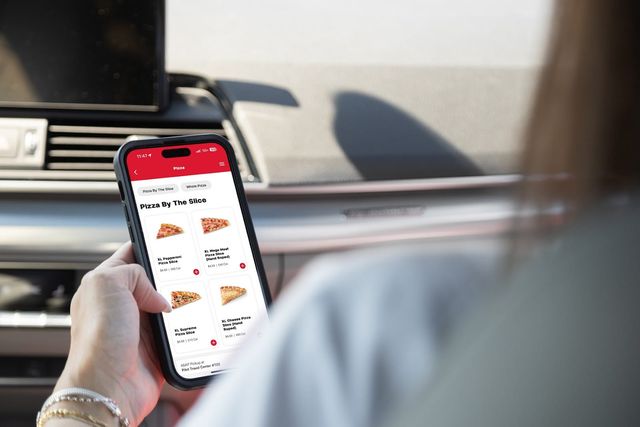
Drivers earn points when they do what they were already going to do anyway, fuel up. Pilot says 100 points = $1, and pro drivers can earn an average of $36 just by fueling and shopping.
With PushForPoints activated, drivers can earn up to 4 points per gallon after six diesel fills in a month, and in some promo months, Pilot bumps that to 5 points per gallon. Drivers who fuel 1,000+ gallons in a month also get a free shower every day for the rest of that month and the next.
That’s the whole reason it works. No one is sticking around because $36 is life-changing. They stick with it because there’s almost nothing to figure out. No complicated rules. No extra behavior to learn. Fuel, earn, done.
And honestly, that matters more than many brands think. Friction kills adoption way faster than weak reward value does. A program people understand in five seconds usually beats a “better” one they never bother using.
What to steal: build for the driver who will never read the FAQ. If the value isn’t obvious at the pump, in the app, or from one quick glance in the cab, it may as well not exist.
Ecommerce parallel: same rule online. Auto-enroll customers, award points automatically, and make sure the benefit shows up without extra steps. The easier it is to earn, the more likely people are to care.
3. Schneider Advantage Club
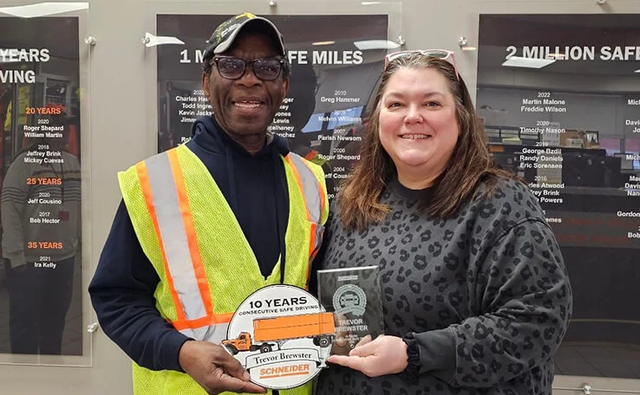
No points. No app. No tiers to chase. Schneider just draws a line at five years and says: Cross it, and you're in the club.
The numbers: Automatic enrollment at five years of uninterrupted service. Perks: truck stop partnerships (showers, food discounts, merchandise points), birthday/anniversary recognition, VIP events (NFL games, NASCAR). Separate Driver of the Month recognition program.
Why it actually works: This is a sunk cost play, and it's brilliant. At year three, a Schneider driver knows the club exists. At year four, they're almost there. Leaving at four years and eight months to take a slightly better CPM somewhere else? That feels like throwing away something you earned. Schneider spends almost nothing on this program. The loyalty comes from the wait, not the reward.
Steal this: You don't need a points engine. A single milestone with a meaningful threshold can do more than a complex system nobody understands.
4. Trucker Tools Driver Loyalty Program
Every other program on this list flows from the company to the driver. Trucker Tools flipped it: the broker rewards the driver.
The numbers: Brokers configure custom rewards in the app. Drivers earn TruckerPoints for booking loads, tracking shipments, and uploading proof of delivery. Points redeem for gift cards at 200+ U.S. retailers. Free for drivers. Brokers purchase the loyalty marketing service.
Why it actually works: In freight, drivers and brokers have a trust problem. A driver hauls one load for a broker and never hears from them again. Trucker Tools turned that dead-end transaction into a loop: book with me, earn points, come back for more. The broker gets tracking compliance and repeat capacity. The driver gets paid for digital actions they're already taking. Both sides have a reason to stick.
Steal this: Loyalty can come from anywhere in the supply chain. If you touch the driver's workflow, as a broker, shipper, fuel network, or maintenance provider, you can build a loyalty loop around that touchpoint.
5. Sprint Mart Professional Driver Program
Most c-store loyalty programs treat truckers like big retail customers. Sprint Mart built a completely separate program because they realized professional drivers don't want a free coffee. They want a free shower.
The numbers: Two tiers: Gold and Diamond. Points per gallon of fuel. Launched February 2025 across 94 locations (10 travel centers, five with showers). Perks: free showers, fountain drinks, discounts on Bluetooth headsets, emergency gear, and cab comfort items.
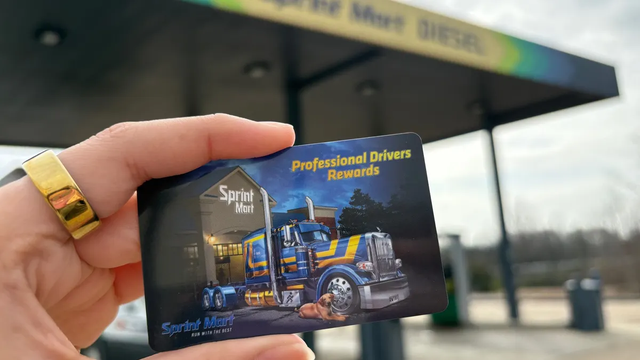
Why it actually works: The reward menu is the strategy. Sprint Mart sat down and asked what a professional driver actually spends money on during a 14-hour shift, then made those things the rewards. That sounds obvious. Almost nobody does it. Most programs offer generic gift cards or cash back because those are easy to set up. Sprint Mart chose relevance over convenience.
Steal this: Before you pick your rewards, ride along with a driver for a day. The reward menu should reflect their life, not your accounting preferences.
6. DHL Driver Performance Rewards
DHL rewards drivers based on delivery quotas and customer satisfaction scores. The better your ratings, the bigger the bonus.
The numbers: Performance bonuses tied to delivery targets and customer ratings. Specific thresholds and payout amounts are not publicly available.
Honest note: We almost left DHL off this list. Their program is cited everywhere, but nobody links to a source because DHL hasn't published one. The "20% efficiency improvement" stat that circulates in industry blogs traces back to a vendor citing Statista without original data. We're including the model because connecting driver pay to customer happiness is a principle worth discussing, but don't quote DHL's numbers in your board deck.
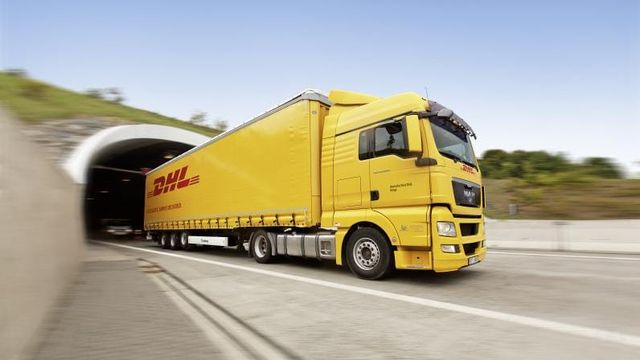
Why it actually works (in theory): Most driver incentives reward things the business can measure easily (miles, fuel, on-time rate). DHL's model rewards something harder to measure but more valuable: customer satisfaction. That alignment is rare.
Steal this: Reward the outcome your customer cares about, not the input that's easiest to track.
What Makes a Driver Loyalty Program Work
The six programs above look different. But they share five things.
1. Tiers beat flat rewards
A flat $200 bonus feels like a transaction. Tiers feel like progress. A driver at Gold thinks twice before leaving because they'd restart at zero somewhere else. That's switching cost built into the design. The difference between transactional and emotional loyalty is what separates programs that retain from programs that just pay.
2. Reward what you want to change, not what's easy to count
Mileage is easy to track. But if the problem is safety, reward clean records. If drivers quit at 90 days, reward the 90-day milestone. Connect rewards to the behavior your business actually needs to fix, not the metric that's easiest to pull from your TMS.
3. Non-cash recognition costs almost nothing
"Driver of the Month." A message from the owner. Schneider throws NFL events for long-tenured drivers. These things build identity. They make a driver feel like they belong, not just work there. One caveat: this works alongside competitive pay, not instead of it.
4. Keep it simple enough to explain in one sentence
Pilot's program: fuel up, earn points, spend points. That's it. If a driver can't explain your program to another driver at a truck stop, it's too complicated. Most drivers won't read a program's FAQ. If it's not obvious on first contact, it doesn't exist.
5. Points create flexibility. Cash creates entitlement.
Cash bonuses become expected. Miss one and it feels like a pay cut. Points create a currency that the driver controls. They choose what to spend on, when. Points also make it easier to adjust reward values without cutting someone's "pay."
Tax note: Gift cards are taxable at any amount under IRS rules. Non-cash awards below the de minimis threshold may not be. Check with payroll before promising rewards you haven't budgeted for.
How to Build Your Own Driver Loyalty Program
You've seen what works. Here's how to build it.
Step 1: Pick your top problem
Turnover? Safety? Fuel costs? Driver satisfaction? Pick one. Maybe two. Not five. If everything is a priority, nothing is. The programs in Section III work because each one was designed around a single problem. Uber Pro solves quality. Schneider solves tenure. Pilot solves fueling loyalty. Start there.
Step 2: Survey your drivers
Run a five-question anonymous survey. Ask what would make them stay another year. Ask what kind of recognition matters most. Ask what's broken about how you reward people now.
If you skip this step, you'll build a program for drivers that doesn't work for drivers. Sprint Mart got it right by asking what truckers actually spend money on during a shift. Most companies skip the asking and go straight to the gift card catalog.
Step 3: Choose your reward structure
Points-based, tiered, or hybrid? Points give flexibility. Tiers create progression. The strongest programs combine both: points for daily and weekly earning, tiers for quarterly or annual milestones.
Uber Pro does this. Drivers earn points per trip (daily mechanic) and advance through four tiers (quarterly progression). The daily earnings keep them engaged. The tier status keeps them loyal.
Step 4: Set your KPIs
Two buckets. Operational KPIs from your existing tools: safety events, fuel efficiency, on-time rates, compliance scores. Loyalty KPIs from the rewards system itself: participation rate, points earned vs. redeemed, tenure milestones hit, referral activity.
Weight them. Safety should always come first. A program that rewards speed over safety is a liability, not a benefit.
Step 5: Pilot with 15-20 drivers for 60 days
Don't launch fleet-wide. Test with a small group. Collect feedback weekly. Expect to adjust point values, the reward menu, or scorecard weights at least once during the pilot, probably more.
The pilot exists to find what's broken before everyone sees it. It's cheaper to fix a reward structure for 15 drivers than for 500.
Step 6: Communicate like a human
One-page summary. Posted in the break room, sent via text, and walked through at the next driver meeting. That's it. No 12-page PDF. No mandatory training module.
The test: if a driver can't explain the program to a colleague in 60 seconds, simplify it. Pilot PushForPoints passes this test. Most corporate programs don't.
Step 7: Plan for the energy drop
Every loyalty program loses momentum after 90 days. Plan for it before it happens. Rotate reward types quarterly. Add surprise bonuses. Refresh the leaderboard. Introduce team-based challenges.
Leaderboards and streak mechanics work well for drivers. "Ten consecutive days with zero hard braking events" builds a habit. circulates in industry blogs traces back to a vendor citing Statista without But never tie gamification to speed or delivery time. That creates dangerous incentives nobody wants to explain to an insurance adjuster.
How to Prove Your Program Works
Loyalty programs die when nobody can prove they're working. Here's how to make the case before someone asks.
The formula:
Program ROI = (Turnover cost savings + Accident/insurance reduction + Fuel savings) − (Rewards cost + Admin time + Tech cost)
A worked example:
Replacing one driver costs roughly $12,000 (industry average). Say your program retains five additional drivers per year. That's $60,000 in avoided retention cost. If the program costs $15,000/year to run (rewards, admin, software), your ROI is 3x. That math gets approved.
What to track monthly:
Split your metrics into two buckets. Leading indicators tell you what has already happened. Leading indicators tell you if the program is working before the turnover numbers change.
Lagging (outcome metrics):
- Turnover rate
- Accident frequency
- Fuel cost per mile
Leading (program health metrics):
- Program participation rate
- Driver satisfaction score (even a simple 1-5 survey counts)
The leading indicators are the ones that matter early. If participation drops below 50% by month three, the problem is program design, not the drivers. Fix the rewards menu, simplify the earning mechanic, or ask drivers what's not working. Don't wait for the quarterly turnover report to tell you something you could have caught in week six.
V. The Bottom Line
The best driver loyalty programs share three things: they're simple to understand, they reward behaviors that actually matter, and they give drivers a reason to stay that goes beyond the next paycheck.
You don't need custom software or a six-figure budget to start. Pick one problem. Survey your drivers. Run a 60-day pilot with 15 people. Measure what changes.
One honest note: loyalty programs won't fix bad pay, bad management, or broken equipment. They amplify what's already working. The companies keeping their best drivers aren't just paying more. They're building systems that make drivers feel like they belong. If you're looking for more retention strategies that work across industries, start there.