
Building Brand Loyalty for Ecommerce Brands in 2026: A Complete Playbook
Building brand loyalty is how smart ecommerce brands grow without chasing ads. Learn simple ways to turn buyers into repeat fans.

Summarize this post with AI
Building brand loyalty is no longer optional in e-commerce. Ads get more expensive. Competition gets louder. And customers have endless choices one click away.
If your growth depends only on new traffic, you’re always starting from zero. But when customers come back on their own, revenue becomes more stable and predictable.
In this guide, you’ll learn how to turn first-time buyers into repeat customers and repeat customers into advocates.
Keep reading, because small retention changes today can quietly transform your long-term growth.
What Is Brand Loyalty, and Why E-commerce Brands Can't Ignore It
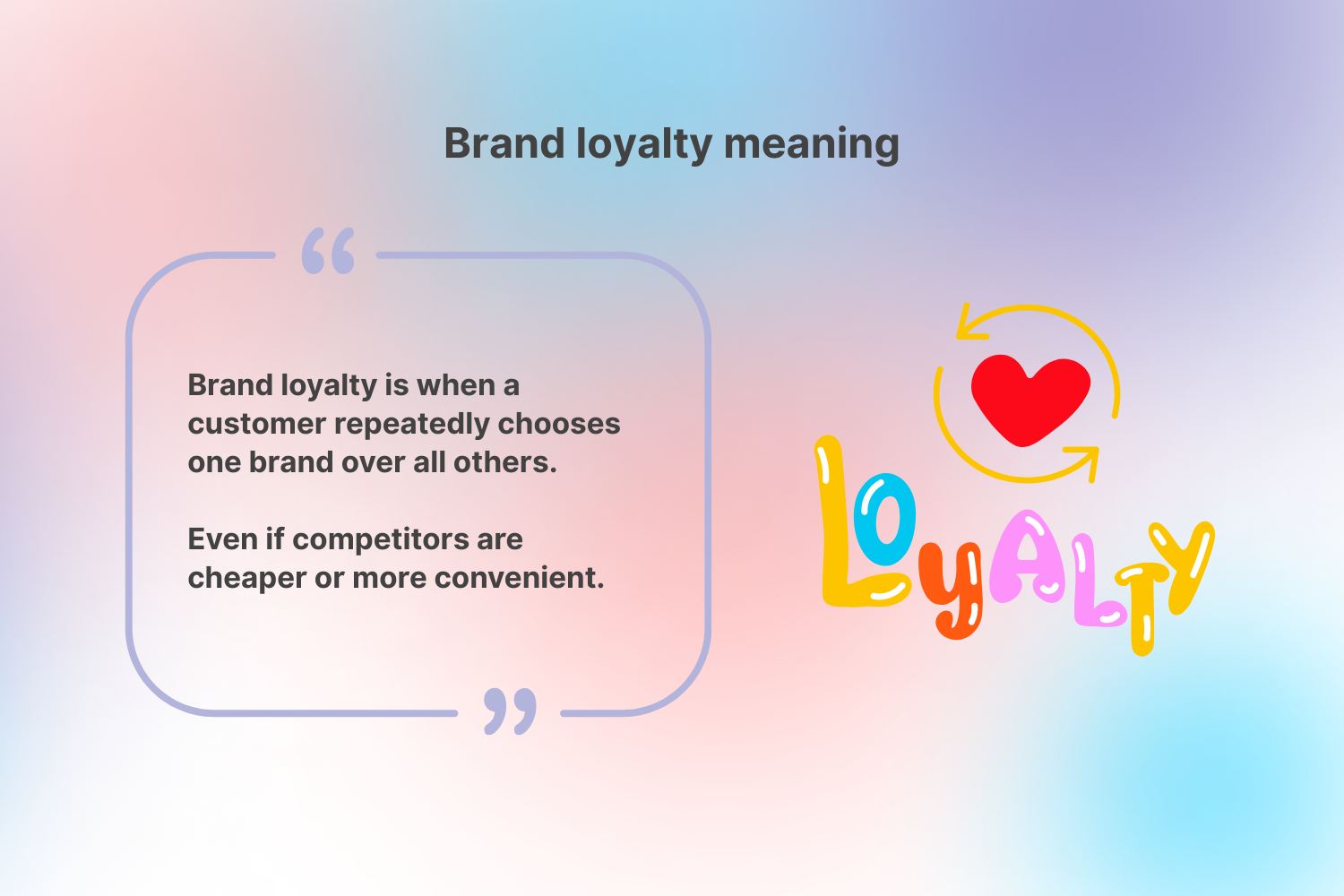
Brand loyalty is when a customer repeatedly chooses your brand again and again, even when cheaper or faster options exist.
In e-commerce, that choice is everything. Traffic is expensive. Competition is constant. If customers don’t return, growth becomes fragile and unpredictable.
Loyalty turns one-time buyers into repeat revenue. It reduces pressure on paid ads and increases lifetime value over time. Without loyalty, you’re constantly reacquiring customers. With it, you’re building a long-term asset.
But loyalty isn’t built on points alone. It stands on 3 core pillars: perceived value, trust, and habit.
Perceived Value (The "Worth It" Factor)
It’s not always about having the lowest price; it’s about how the customer feels about the deal.
While most stores offer "Free shipping over $50," Amazon Prime flipped the script. They made shipping feel "invisible" through a membership.
When customers feel they’re consistently getting a good deal, financially or emotionally, they come back without second-guessing.
Trust (The "Safety Net" Factor)
In e-commerce, the customer can’t touch the product before buying. That’s scary.
Zappos became a billion-dollar company not just by selling shoes, but by perfecting "Transparent Returns".
Their 365-day, no-questions-asked return policy removed the risk. When people trust you won’t screw them over, they come back.
Habit (The "Autopilot" Factor)
The best way to ensure loyalty is to make it automatic.
Dollar Shave Club mastered the "Subscription Loop". By turning a one-off purchase (razors) into a monthly habit, they stopped being a choice and became part of the customer’s routine.
When you create systems that encourage routine (subscriptions, refill reminders, loyalty points), you reduce the number of times customers have to decide.
And fewer decisions mean fewer chances to switch.
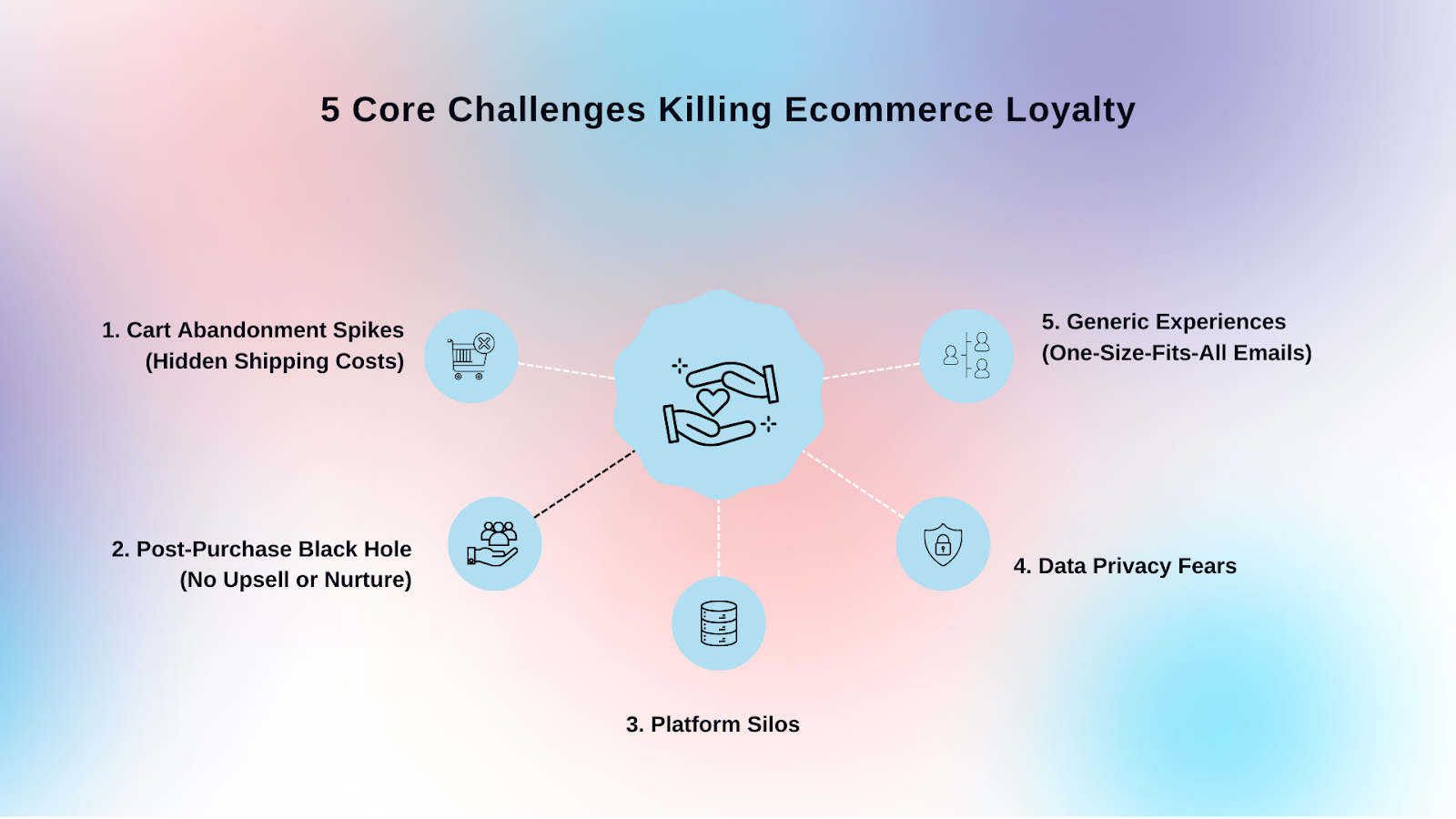
5 Core Challenges Killing Ecommerce Loyalty (And How to Diagnose Yours)
Most e-commerce brands don’t lose customers because of one big mistake.
They lose them through small, repeated friction.
Loyalty doesn’t disappear overnight. It erodes. A little distrust here. A little inconvenience there. A forgettable experience after purchase. Over time, customers quietly stop coming back.
If you want stronger retention, start by identifying where loyalty is leaking.
Here are 5 common killers, and how to audit each one.
1. Cart Abandonment Spikes (Hidden Shipping Costs)
A customer adds products to the cart. They’re ready. Then checkout reveals unexpected shipping fees.
That moment feels like a bait-and-switch. Even if they complete the purchase, trust takes a hit. If they abandon, you lose both revenue and momentum.
Shipping surprises are one of the fastest ways to damage perceived value.
Quick audit tip: Check your Google Analytics 4 (GA4) checkout journey. If there is a massive drop-off specifically between the "Shipping" and "Payment" steps, your delivery costs are likely suffocating your loyalty potential.
2. The Post-Purchase Black Hole (No Upsell or Nurture)
Many brands celebrate the sale… then go silent.
The customer receives a receipt and nothing else. No onboarding tips. No product education. No reminder to reorder. No thoughtful follow-up.
Without post-purchase engagement, you don’t build habit. You train one-time buying.
Loyalty is formed after the first transaction, not during it.
Quick audit tip: Map your 30-day post-purchase flow. How many meaningful touchpoints happen after delivery? If it’s just a receipt and a review request, you have a nurture gap. Track repeat purchase rate within 60 days to see if a habit is forming.
3. Platform Silos (Shopify vs. Instagram Disconnect)
Your store runs on Shopify. Your audience engages on Instagram. Email lives in another system.
If these platforms don’t share insights, customers experience your brand in fragments. Someone who clicks three times on Instagram may still receive a generic “Welcome” email as if they’re new.
That disconnect weakens personalization and relevance.
Quick audit tip: Pick a random customer from your support tickets and see if you can find their social media interactions or full purchase history in under 60 seconds. If you can’t, your data is siloed.
4. Data Privacy Fears (GDPR / CPRA Concerns)
Today’s customers are more cautious about their data. Regulations like the General Data Protection Regulation and the California Consumer Privacy Act have made privacy part of mainstream conversation.
If your brand feels vague about data use, customers hesitate. They unsubscribe. They avoid accounts. Trust erodes quietly.
Loyalty requires psychological safety.
Quick audit tip: Review your "Zero-Party Data" strategy (the info customers voluntarily give you, like quiz results). If you’re collecting data but not using it to actually improve the customer's specific shopping experience, you're just increasing your privacy risk for no reason.
5. Generic Experiences (One-Size-Fits-All Emails)
When every subscriber gets the same message, customers feel invisible.
A first-time buyer shouldn’t receive the same promotion as a VIP who’s ordered ten times. If your communication ignores purchase history, you’re missing the chance to reward loyalty.
Relevance builds value. Irrelevance builds fatigue.
Quick audit tip: Look at your email open rates segmented by "Customer Lifetime Value." If your most loyal spenders have lower open rates than your new leads, your content isn't rewarding their loyalty; it's boring them.
Step-by-Step Framework: 7 Proven Strategies for Building Brand Loyalty
If you want real ecommerce loyalty strategies, you need more than points and discounts. You need systems that increase LTV, reduce churn, and make your store the default choice.
Here’s a practical framework to build brand loyalty that online store owners can actually scale.
1. Launch a Tiered Rewards Program (Smile.io / Yotpo Style)
Tiered programs create momentum. The higher the customers climb, the harder it is to leave.
Tools like Smile.io or Joy.so let you reward reviews, referrals, and repeat purchases. Points can unlock bundles or exclusive drops.
How to implement:
- Install via Shopify.
- Create 3 clear tiers (e.g., Insider → VIP → Elite).
- Trigger automated email flows when customers level up.
Case Study: Glossier mastered this by treating highly engaged customers like insiders and building a strong community layer around the brand. They saw a measurable impact: community members generated 96% higher customer lifetime value (LTV) compared to non-members.
2. Personalize with Zero-Party Data (Klaviyo Flows)
Zero-party data is information customers willingly give you: preferences, goals, and style choices.
Instead of generic surveys like Qualtrics-style forms, use quizzes and product match tools. Then trigger tailored flows in Klaviyo.
How to implement:
- Add a homepage quiz.
- Use answers to create dynamic bundles.
- Send post-cart AI recommendations based on selections.
Higher AOV and stronger repeat purchase rates because customers feel understood.
3. Seamless Omnichannel Experiences
Customers move between platforms constantly.
A shopper might browse via Instagram Shop, check out on Shopify, then expect SMS updates. If those touchpoints feel disconnected, loyalty weakens.
How to implement:
- Sync product catalogs across Instagram and Shopify.
- Trigger SMS follow-ups after checkout.
- Test cross-device journeys weekly.
Lower abandonment and smoother re-engagement.
4. Build Community (Not Just UGC)
User-generated content is good. Community is better.
Create private groups on Discord or Slack for VIP buyers. Offer early access, live Q&As, or exclusive drops. Brands like Allbirds host real-world events to deepen emotional ties.
Gamify it with badges for milestones.
Case Study: Allbirds took this offline by hosting community "run clubs" and events. This turned their shoes into a uniform for a specific tribe of people, making the brand nearly impossible to disrupt.
5. Storytelling via Short-Form Video
Short-form video builds emotional connection faster than static ads.
Encourage UGC challenges on TikTok. Share customer stories instead of product claims.
The key most brands miss: connect these videos to cart recovery emails. If someone abandons, retarget them with real customer proof.
ROI: Higher trust and improved conversion on re-engagement campaigns.
6. AI-Driven Post-Purchase Nurturing
The sale is just the start.
Predictive churn emails, triggered when engagement drops, can reach open rates near 80% in targeted segments. Use tools like Rebuy for intelligent upsells.
How to implement:
- Track time between purchases.
- Trigger reminders before expected reorder windows.
- Offer personalized bundles, not blanket discounts.
ROI: Reduced churn and higher repeat revenue without increasing ad spend.
7. Transparent Authenticity (Sustainability Hooks)
Modern loyalty is tied to values.
Brands like Nike and Starbucks build loyalty around mission and sustainability. E-commerce brands can adapt this with transparent sourcing or even blockchain-based proof of origin.
Communicate clearly. Avoid vague claims.
Case Study: Nike and Starbucks have already paved the way with "Odyssey" and "Swoosh". By applying these Web3 concepts to your store, you’re showing your audience that you’re at the cutting edge of both tech and transparency.
3 Common Mistakes Ecommerce Brands Make (And Fixes)
Most loyalty programs don’t fail because the idea is wrong. They fail because execution is messy.
Here are 3 mistakes that quietly damage retention, and how to fix them fast.
1. Complex Points Systems
If customers need a calculator to understand your rewards, they won’t engage.
Too many brands create complicated earning rules, unclear redemption values, and five different reward paths. Instead of motivating behavior, it creates confusion.
Fix: Reduce it to three clear tiers. For example: Member, VIP, Elite. Make the benefits obvious. Early access. Free shipping. Exclusive bundles.
Clarity increases participation. Participation increases repeat purchases.
2. Ignoring Mobile Experience
More than half of e-commerce traffic is mobile, and cart abandonment often spikes there. Small friction on a desktop becomes deal-breaking on a phone.
Slow load speed. Tiny buttons. Hard-to-fill forms.
If your loyalty perks aren’t easy to access on mobile, customers won’t bother logging in to use them.
Fix: Audit your mobile checkout. Test your rewards dashboard on a phone. If redeeming points takes more than a few taps, simplify it.
Retention dies in friction.
3. No Post-Purchase Flow
Many brands stop communicating after checkout.
That silence kills habit formation.
Fix: Add a simple Day 3 email after delivery. Share product tips, user stories, or a small reward for leaving a review.
Continue nurturing through Day 7 and Day 14. Loyalty grows after the first purchase, not before it.
When you remove confusion, reduce friction, and stay present after checkout, retention improves naturally.
Conclusion
Loyalty is not a campaign you switch on during slow months. It’s a system that shapes how customers experience your brand from first click to fifth purchase.
A small lift in repeat rate this quarter turns into stronger cash flow next year. That stability gives you room to test new products, raise AOV, and lower acquisition pressure.
You don’t need to build everything at once. Start with one layer.
- Improve post-purchase emails.
- Add a simple tier system. Introduce referrals.
- Then connect those pieces so each one feeds the next.
That’s when it becomes a flywheel. Customers buy, engage, refer, and return, without you constantly pushing discounts.
Build slowly. Build intentionally. Let retention do the heavy lifting.
FAQs
1. How does brand loyalty differ from repeat purchases in e-commerce?
Repeat purchases are a behavior. Brand loyalty is behavior plus preference.
A customer might buy twice because of convenience or price. A loyal customer chooses you even when alternatives exist. Loyalty includes trust, emotional connection, and lower price sensitivity.
2. How can e-commerce brands build brand loyalty without relying on discounts?
Focus on value beyond price. Improve the ownership experience. Communicate after purchase. Build community and identity around your brand.
When customers feel understood and supported, they stay without needing constant coupons.
3. What are the most effective brand loyalty strategies for ecommerce in 2026?
The strongest strategies combine three elements:
- Clear tiered rewards
- Strong post-purchase engagement
- Community or referral loops
It’s not about complexity. It’s about consistency and alignment with your brand.
4. Do loyalty programs really increase customer lifetime value?
Yes, when designed well.
A structured loyalty program can increase purchase frequency, average order value, and referral rates. All 3 directly raise customer lifetime value. Poorly designed programs, however, only increase discount costs.
5. How do you measure brand loyalty in an online store?
Start with core retention metrics:
- Repeat purchase rate
- Customer lifetime value (LTV)
- Churn rate
- Referral rate
- Net Promoter Score (NPS)
Track trends over time, not just single campaigns. Loyalty is built gradually, and the data should reflect that long-term view.

Written by
Thomas Nguyen is the CEO & Co-founder of Joy, a loyalty solution for Shopify and eCommerce brands. With years of experience building high-performance Shopify apps, Thomas aims to help merchants grow through customizable and retention-focused tools.
Related reading
 How-to Guide
How to Enhance Customer Loyalty: A 7-Step System That Works
A 5% lift in retention can drive 25–95% more profit — but most brands never close the gap between knowing loyalty matters and building a system that moves the numbers. Here is a 7-step system to enhance customer loyalty, from baseline audit to ROI measurement, with real brand examples.
 Thomas Nguyen
 How-to Guide
Shopify Discount Combinations: Why Your Loyalty Reward Will Not Stack
Shopify does not combine discounts by default, and the setting only reaches reward codes issued after you change it.
Thomas Nguyen How-to Guide
Brand Loyalty Questionnaire: 9 Strategic Steps for 2026
Likes don't reveal why customers stay. A brand loyalty questionnaire does. This guide breaks down 9 strategic steps to design, distribute, and act on surveys — from NPS and CSAT setup to automated follow-ups — so you can stop guessing and start retaining at lower acquisition costs.
Thomas Nguyen Program design
VIP Early Access on Shopify: Three Ways to Gate a Sale Before It Opens
Shopify can limit an automatic discount to a customer segment. Three ways to gate a VIP sale, and where each one leaks.
Thomas Nguyen How-to Guide
How to Measure Brand Loyalty: 6 Critical Metrics for 2026
Likes don't equal loyalty - and neither do single-purchase sales. This guide breaks down how to measure brand loyalty with 6 critical metrics: LTV, repeat purchase rate, retention rate, point redemption, NPS, and UGC. Plus benchmarks for 2026 - when acquisition costs are 4× higher.
Thomas Nguyen How-to Guide
BFCM Readiness: Shopify Tests Checkout, Nobody Tests Your Widget
Shopify scale-tests checkout at 80,000 a minute. The risk you own is the storefront, measured on the signed-in path.
Thomas Nguyen