Disney Castaway Club Loyalty Program: Case Study for Shopify Brands 2026
Most loyalty programs compete on generosity. Disney's Castaway Club competes on access. This case study breaks down the 4 structural mechanics behind it — early booking access, voyage-count tiers, Pearl tier scarcity, and zero-effort enrollment — and what Shopify brands can steal.
Summarize this post with AI
Most loyalty programs compete on generosity. Disney's Castaway Club competes on access.
What Disney understood before most ecommerce brands did:
When the reward is access rather than a discount, you're not buying loyalty with margin. You're creating a structural advantage that costs nothing to grant but becomes increasingly expensive for members to walk away from.
Four behavioral mechanics run underneath this program. This breakdown covers each one, why it works, which elements translate directly to Shopify ecommerce, and which ones will damage your margins if you copy them without adaptation.
What Is the Disney Castaway Club?
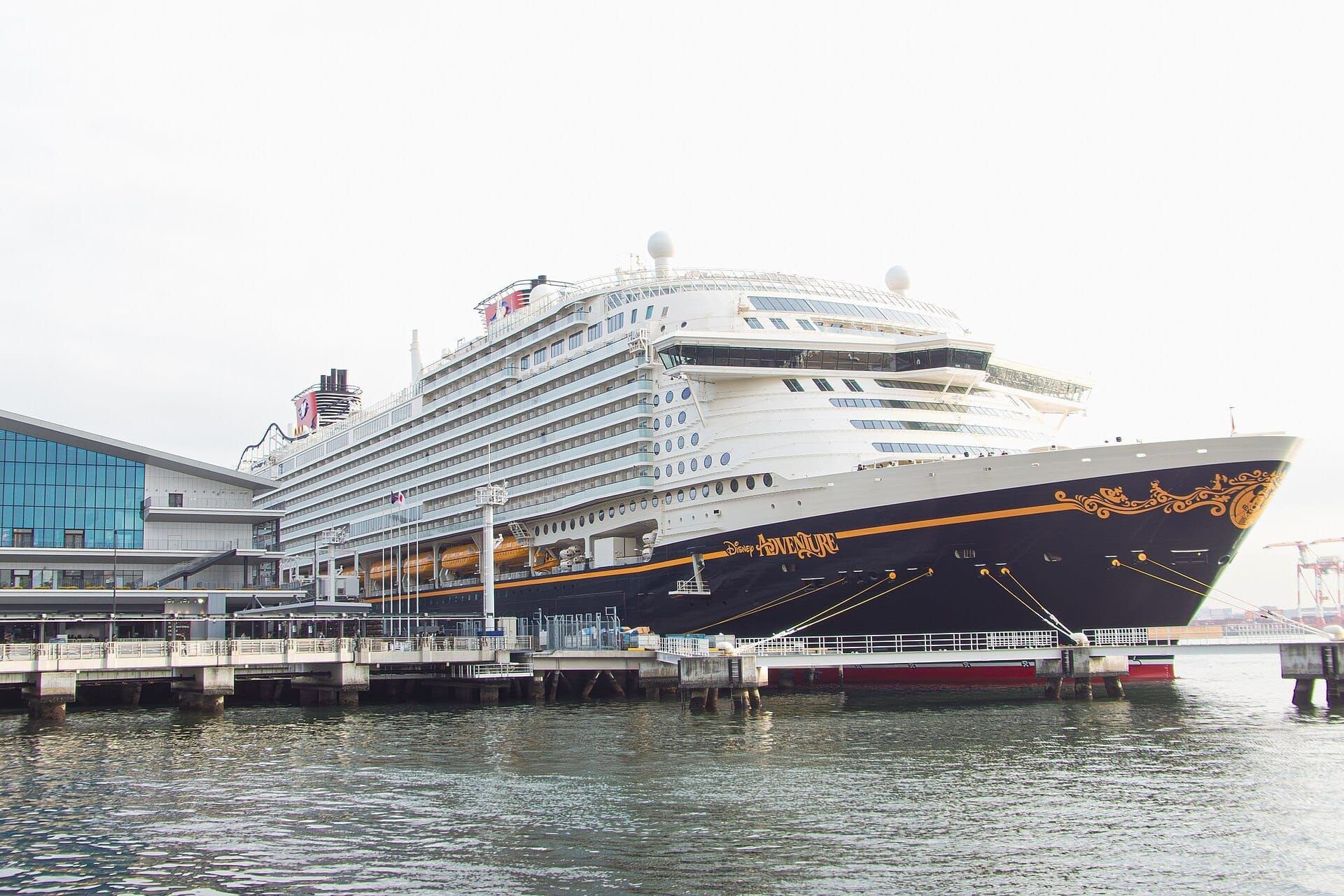
The Disney Castaway Club is Disney Cruise Line's tiered loyalty program. Status activates automatically after a guest's first qualifying voyage: no sign-up form, no opt-in. Members earn one credit per completed trip, regardless of trip length. A three-night Bahamas sailing earns the same credit as a 14-night Panama Canal crossing.
Four tiers structure the program:
Tier upgrades take effect on your next voyage after crossing a threshold, not mid-cruise. As of 2024, members must also complete at least one sailing every five years or their tier resets. Previously, status was lifetime. Disney removed that guarantee, which tells you something about what happens to program economics when attrition goes unmanaged.
4 Structural Mechanics That Earn Retention
Disney's program looks simple on paper. The design decisions underneath it are exact.
Access as the Reward, Not the Discount
Silver members can reserve onboard activities 90 days before sailing. Pearl members access the same reservation system 123 days out: four days before anyone else.
High-demand spots (private Castaway Cay cabanas, Palo brunch, Royal Gathering character events) sell out within hours of each tier's window opening. A Silver member competing for a Castaway Cay cabana faces a structural disadvantage the moment the Pearl booking window opens.
A Platinum member, considering Carnival (a competing cruise line) isn't just comparing cabin prices. They're calculating what they'd lose: 120-day booking priority, free Palo dining, and years of voyage history that puts Pearl six trips away. No competitor discount clears that psychological hurdle.
The ecommerce equivalent: early access to new product drops, limited-edition releases, or presale windows. The cost to the brand is zero. The perceived value to a top-tier member is high. And unlike a discount, access doesn't transfer. It only rewards the members who stay.
Voyage Count, Not Spend
Disney tracks sailings, not dollars. A guest who books the cheapest three-night sailing earns the same tier credit as one booking a $15,000 two-week Mediterranean voyage.
Disney made a deliberate call here: frequency over ticket value. Their most valuable customer is the one who comes back, not the one who spends the most per trip. Counting voyages instead of revenue keeps the tier mechanic aligned with the behavior that actually drives lifetime value.
For Shopify brands with consistent order values, purchase-count tiers work for the same reason. "Five orders from us = Gold" is legible without a calculator. "Spend $320 = Gold" requires arithmetic that most customers won't do.
When your average order value clusters between $40 and $80, counting purchases keeps progression visible and the Goal Gradient Effect active (Kivetz, Urminsky, and Zheng, Journal of Marketing Research, 2006). Simple logic. Surprisingly underused
Pearl Tier Scarcity by Design
Reaching Pearl requires 25 or more completed voyages: somewhere between $75,000 and $250,000 in estimated lifetime cruise spend based on average Disney Cruise Line pricing. A small fraction of Castaway Club members ever reach it.
That's not a program failure. That's the architecture.
The scarcity of Pearl makes Platinum feel simultaneously achievable and prestigious. A Gold member at eight voyages knows Pearl is technically possible but practically distant. What they focus on is Platinum at ten (two trips away).
The Goal Gradient Effect (people accelerate effort as they approach a goal, Kivetz, Urminsky, and Zheng, 2006) activates not toward Pearl but toward the nearest visible threshold. Pearl's existence raises the perceived value of the entire tier stack without being the tier most members are actually chasing. Clever design, honestly.
The design lesson: your top tier should be genuinely hard to reach. If most customers can hit your highest tier in a single purchase cycle, status loses identity value, and you've created a discount tier with a fancier name.
Zero-Effort Enrollment
Members don't opt in. Status begins automatically after the first completed voyage. Every guest receives a Castaway Club ID without ever having to fill out a form.
This removes the enrollment friction that kills most loyalty programs before they even get started. The program's first touchpoint, "Welcome to Silver, you're already a member," works because it starts with a reward instead of a request. The customer has done nothing except complete the thing they already paid for.
For ecommerce: auto-enroll customers into your loyalty program at the point of first purchase. Every extra step between "order confirmed" and "you've earned points" is a dropout point. Joy's automatic tier assignment at checkout requires zero customer action: status activates the moment an order posts.
Build Disney-style tier mechanics for your Shopify store. Joy's VIP tier system supports purchase-count qualification, early-access perks for new collections, and automatic tier assignment at checkout without writing a line of code.
See Joy's tier configuration →
What Shopify Brands Should Replicate
Castaway Club works inside a specific business model: high-ticket, infrequent purchases, and physical experience as the product. Not everything transfers. The mechanics that do are behavioral, not operational.
Early Access Over Discounts
A free Palo dinner has a cash value of about $50 per person. An early-access window to a sold-out product drop costs the brand nothing. It generates a stronger retention signal because it identifies members who want to buy, not members who showed up for a rebate.
Purchase-Count Tiers Calibrated to Your Cycle
Set your first-tier threshold at two to three times your median repurchase cycle. For a brand with a 45-day repurchase cycle, a Silver threshold at three purchases puts visible status within 90 days of a customer's first order, close enough to activate the Goal Gradient Effect on the second or third visit.
The failure mode: set the first threshold too high, and the acceleration effect never fires. Most brands err on the side of being too high to protect their status. But status costs nothing until members actually redeem a tier benefit. An unreached tier is just a liability that never converts into loyalty.
Concrete Rewards Beat Percentage Discounts
Disney doesn't offer "ten percent off your next cruise." They offer a free meal, a free sailing day, and free photos. Dan Ariely's zero-cost effect (Predictably Irrational, 2008) documented why: consumers systematically overvalue "free" over a discount of identical cash value.
Honestly, Vinamilk (a $500M FMCG brand running its program on Joy) proved this in ecommerce.
A physical gift costing $2 to source delivered four times the perceived value of an equivalent cash discount. Their program achieved a 50 percent redemption rate, one of the highest in the FMCG category, because members experienced rewards as gifts rather than margin concessions.
What Shopify Brands Should Avoid
The Closed-Loop Redemption Model
Every Castaway Club reward drives another Disney Cruise booking. Points redeem only for Disney experiences. This works because Disney controls the entire product experience, and its customers demonstrate repeat purchase behavior in the same category.
Don't copy this for single-category Shopify brands unless your product naturally drives repeat purchase in short cycles. If your customers have a six-month repurchase cycle or your product is high-ticket and infrequent, a closed-loop program that redeems only for your own products creates a liability: unredeemed points that customers can't use and don't value.
A program with a ten percent redemption rate carries 90 percent of its issued points as a financial liability on the books. That's not a loyalty program. That's a balance sheet problem with a points dashboard on top. And it's more common than you'd think.
Voyage-Count Tiers in a High-Frequency Category
Disney's tier progression works on once- or twice-yearly purchase behavior. A guest who books four cruises per year reaches Gold in under 18 months. At that cadence, each tier transition feels earned.
For a Shopify brand with monthly repeat buyers (consumables, supplements, pet food), a purchase-count tier equivalent advances too quickly to carry status weight. You'd mint Gold customers every six weeks with no sense of progression. In high-frequency categories, spend-based tiers create better-calibrated status because the curve stays long enough to feel earned.
Know your repurchase cycle before choosing your tier qualification logic. Joy's VIP tier rules support both purchase-count and spend-based qualification; you can switch the logic without rebuilding the program.
The Bottom Line: Start Planning Your Next Tier
Disney's Castaway Club isn't a generous program. It's a structurally sticky one. The tier benefits cost Disney almost nothing to grant — early booking access, a free dinner, and a photo package. What they create in return is a switching cost so high that leaving feels like a financial loss, not a neutral choice.
That's the model worth stealing: not the perks themselves, but the logic behind them. Access to discounts. Purchase frequency over spend. A top tier that's genuinely hard to reach. Zero friction at the point of entry.
Configure those four mechanics correctly in your Shopify store, and you won't need a discount program with a loyalty label. You're building the same behavioral architecture Disney spent decades perfecting.
Frequently Asked Questions (FAQs)
What makes Disney's Castaway Club different from a standard points program?
Disney doesn't issue points. Status advances by voyage count, and the primary tier benefit is booking access, not a dollar-value reward. This shifts the switching cost from financial (losing a points balance) to structural (losing booking priority that competitors can't match). For Shopify brands, this is the key design insight: access-based tier perks create retention that discounts can't replicate, because access is non-transferable and non-comparable.
Can Shopify brands replicate Disney's early-access booking window mechanic?
Yes. The ecommerce equivalent is gating new collection launches or product drops, to tier members for 48–72 hours before general availability. Joy's VIP tier system supports early-access perks as a configurable benefit without custom development. The behavioral outcome is the same: top-tier members hold a structural advantage that lower-tier members can see and work toward.
Why does Disney count voyages instead of spending?
Voyage-count tracking prioritizes frequency over transaction value. Disney's most valuable customers are those who return repeatedly, not those who spend the most on a single trip. For Shopify brands with consistent order values, purchase-count tiers reward the same behavior: returning. "Five orders from us = Gold" is legible and actionable in a way that dollar thresholds often aren't.
What is the biggest mistake Shopify brands make when copying cruise or hotel loyalty programs?
Copying the closed-loop redemption structure without matching the program to their purchase frequency. Cruise and hotel programs work because their customers make high-value purchases one to two times per year: the reward timeline fits the product cadence. Shopify brands with monthly repurchase cycles need a faster reward loop. A free product on the fifth order outperforms a points balance that takes 18 months to reach a redemption threshold.
Does Disney Castaway Club status expire?
Yes, as of 2024. Members must complete at least one sailing every 5 years, or their status will reset. Previously, status was lifetime. For Shopify brands designing tier expiration: match your window to your repurchase cycle. A 12-month expiration on a brand with a 30-day repurchase cycle will cause your best customers to churn. A 24-month window on a 45-day cycle gives loyal members a buffer without letting the program stagnate

Written by
Thomas Nguyen is the CEO & Co-founder of Joy, a loyalty solution for Shopify and eCommerce brands. With years of experience building high-performance Shopify apps, Thomas aims to help merchants grow through customizable and retention-focused tools.
Related reading
 Loyalty Strategy
The Customer Loyalty Ladder: Stages, Models & How to Build Advocates
Not all customers are equal — some buy once and vanish, others return twenty times and bring friends. The customer loyalty ladder maps that gap. This guide breaks down the stages, compares the 5-, 6-, and 7-rung models, and shows how to move customers from first purchase to full advocacy.
 Thomas Nguyen
 Loyalty Strategy
5+Types of Loyalty Programs To Keep Customers Coming Back in 2025
Explore 7 types of loyalty programs: points-based, tiered, paid, coalition, referral, gamified, and punch card. Find the best fit for your business
Thomas Nguyen Loyalty Strategy
Brand Loyalty Pyramid: 5 Strategic Levels for 2026 Growth
Not all customers are loyal in the same way. The brand loyalty pyramid maps 5 strategic levels - from price-sensitive switchers to fanatic advocates - using David Aaker's framework. This guide breaks down each tier and the tactics to move customers up the ladder in 2026.
Thomas Nguyen Loyalty Strategy
The Real Cost of a Loyalty Point: What Real Shopify Programs Reveal
Calculate effective cashback, expected redemption cost, and loyalty liability using observed Shopify program designs and clear caveats.
Thomas Nguyen Loyalty Strategy
7 Hybrid Loyalty Programs That Actually Work (And What Makes Them Different)
Single-mechanic loyalty programs have a ceiling. The brands with the strongest retention combine multiple mechanics into hybrid programs.
Thomas Nguyen Loyalty Strategy
How Apple Applies Customer Loyalty: 4 Principles Behind 89% Retention
Apple has 89% customer retention and no points program, no VIP tiers, no rewards. Loyalty comes from four deliberate principles applied across every touchpoint. Here's how each one works, and what results it drives.
Thomas Nguyen