
How to Measure Brand Loyalty: 6 Critical Metrics for 2026
Likes don't equal loyalty - and neither do single-purchase sales. This guide breaks down how to measure brand loyalty with 6 critical metrics: LTV, repeat purchase rate, retention rate, point redemption, NPS, and UGC. Plus benchmarks for 2026 - when acquisition costs are 4× higher.

Summarize this post with AI
Every Shopify merchant who wants to stay in business in the digital world of 2026 needs to know how to measure brand loyalty. There was a time when a lot of traffic was all it took to show that a business was doing well. The cost of getting a new customer has reached a breaking point, so your current customers are your most valuable asset.
We see brands struggling to balance growth and profit because they pay attention to the wrong signals. Real loyalty isn't just a feeling or a bunch of social media likes. This is a cold, hard fact that shows your customers will choose you even if a competitor is cheaper.
By mastering how to measure brand loyalty, we empower you to build a fortress around your brand equity and secure your long-term revenue.
What is Brand Loyalty Measurement?
Measuring brand loyalty starts with a move from gut feelings to structured data. We define brand loyalty measurement as a data-driven assessment of a customer's bond with our brand. This bond is both mental and financial. We must track two key parts to get it right:
- Purchase Frequency: This tracks how often a shopper returns to make a purchase. It proves their real-world habits.
- Customer Sentiment: This shows the "why" behind the buy. It tracks their deep emotional tie to us.
There are two main types of this behavior. Transactional loyalty happens when shoppers return just for a deal. Emotional loyalty is deeper. It is when they return because they love who we are as a brand.
For example, Allbirds fans do not just buy shoes. They invest in a green lifestyle. They often return for new drops without needing an ad nudge. This level of care gives us long-term safety. It builds high brand equity. It shields us from market shifts and fickle trends.
Tips: Using Data for Better Brand Health
We must look deep into our Shopify Analytics to find "stickiness". This is the ultimate health check for any store. If we only look at total sales, we miss the churn rate. Churn is the silent profit killer. By using a loyalty program, we grab data that a basic checkout misses. Here is how we use that data for a win:
- Tag High-Value Fans: Sort users by their total spend. We use this to give top-tier fans early access to new gear.
- Track Point Use: A high redemption rate proves our perks have real value. If no one uses their points, the rewards are likely too weak.
- Check Review Volume: Loyal fans leave more reviews with higher ratings. We track how many shoppers write reviews after their third order.
- Gap Analysis: See who used to buy every month but stopped. We then send a "we miss you" gift to bring them back.
We believe that how you measure brand loyalty defines our future. It turns a one-time buyer into a life-long fan.
Why Must You Measure Brand Loyalty in 2026?
We cannot ignore the financial crisis of rising acquisition costs that has reshaped the e-commerce industry. Between 2023 and 2024, Facebook Ads CPA (Cost per Acquisition) jumped from $5.84 to $23.10, representing a staggering 295.5% increase.
This means the "leaky bucket" business model, where you constantly pour money into ads to replace lost customers, is no longer viable. If you do not know how to measure brand loyalty, you are likely overspending on ads while ignoring the goldmine of your current audience.
- Retention over Acquisition: Focusing on your existing 10K+ merchant base allows for a much higher return. Our data shows that a well-executed loyalty program can drive a 1700% ROI.
- Customer Lifetime Value (LTV): A high LTV acts as your primary shield. When you increase the value of each customer, you can afford the higher ad costs that 2026 demands.
- Data Independence: Measuring brand loyalty gives you first-party data. This reduces your reliance on third-party tracking, which has become less reliable due to privacy updates.
- Referral Organic Growth: Loyal customers act as a free marketing team. They drive brand equity through word-of-mouth, which costs you nothing but delivers high-converting traffic.
We believe that the shift from "growth at all costs" to "profitable retention" is the most important change a brand can make this year. By focusing on the customers you already have, you build a sustainable foundation that can weather any economic storm. This strategy turns your store from a simple shop into a community.
Tips: Using Data for Better Brand Health
We must look deep into our Shopify Analytics to find "stickiness". This is the ultimate health check for any store. If we only look at total sales, we miss the churn rate. Churn is the silent profit killer. By using a loyalty program, we grab data that a basic checkout misses. This is how we use that information to win:
- Tag High-Value Fans: Sort users by how much they spend overall. We use this to let our best fans get new gear first.
- Use of Track Points: A high redemption rate shows that our perks are worth something. The rewards are probably too weak if no one uses their points.
- Check the number of reviews: Fans who are loyal leave more reviews and give them higher ratings. We keep track of how many people write reviews after their third order.
- Gap Analysis: Find out who used to buy something every month but doesn't anymore. Then we send them a "we miss you" gift to get them back.
We believe that how you measure brand loyalty defines our future. It turns a one-time buyer into a life-long fan.
4 Quantitative Metrics to Track Growth

Understanding how to measure brand loyalty requires a firm grasp of mathematical formulas and industry benchmarks. While qualitative feedback is nice, numbers provide the objective truth about whether your brand is growing or shrinking in your customers' eyes.
We rely on four specific metrics to provide a clear picture of health and to help you divide your marketing budget more effectively.
1. Customer Lifetime Value (LTV)
Calculating LTV is the cornerstone of measuring brand loyalty because it predicts the total revenue a customer will generate. We calculate this by multiplying the average purchase value by the purchase frequency, then multiplying the result by the average customer lifespan.
This metric tells us exactly how much we can spend to acquire a new customer while staying profitable. If your LTV is trending upward, it is a clear sign that your loyalty program is successfully encouraging bigger or more frequent baskets.
2. Repeat Purchase Rate (RPR)
The RPR is a vital pulse check for any brand, especially in the fashion industry, where retention rates are typically lower than average. We find the RPR by dividing the number of customers who have bought from you more than once by your total number of unique customers.
This metric directly reflects how you measure brand loyalty in a transactional sense. A low RPR suggests that your first-time experience or product quality might be lacking, while a high RPR proves you have successfully built a habit.
3. Customer Retention Rate (CRR)
We use the CRR to track the percentage of customers who stay with your brand over a specific period, such as the last 30 days. To calculate this, take the number of customers at the end of a period, subtract new customers gained, and divide by the number of customers you had at the start.
High retention indicates that your brand has become a staple in customers' lives. This is often the result of effective Joy loyalty features, such as tiered rewards, that keep users engaged over the long term.
4. Point Redemption Rate
For merchants using a rewards system, the redemption rate is the ultimate engagement metric. We look for a 50% redemption rate as a sign of a healthy program. If customers are earning points but never spending them, the rewards are likely not valuable enough, or the process is too complex.
Measuring brand loyalty through redemptions tells us if your incentives actually motivate behavior. A high redemption rate (even reaching 78% for brands like Acrysty Co.) proves that your loyalty currency has real-world value to your fans.
Measuring Sentiment with Qualitative Data
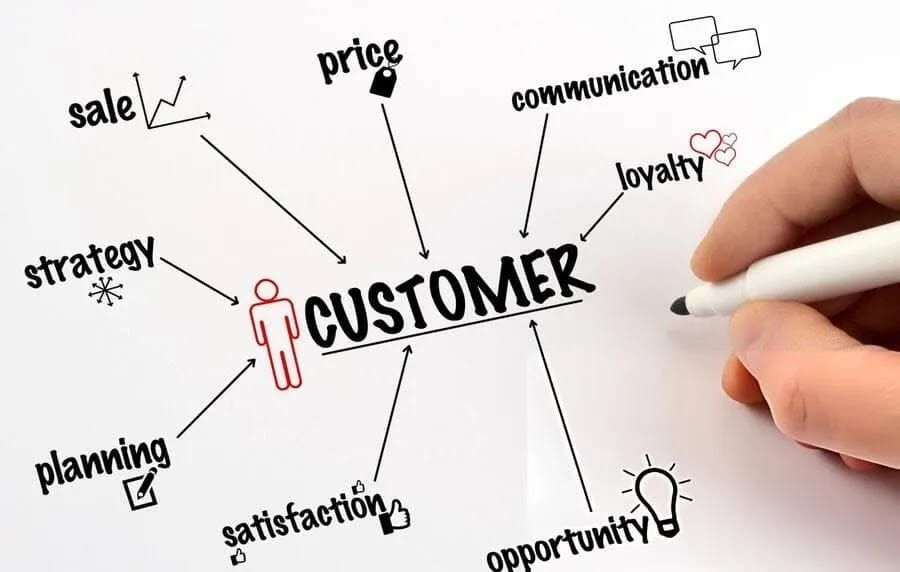
Numbers show us exactly what the customer does, but sentiment explains the "why" behind the buy. To master measuring brand loyalty, we must examine the psychological drivers of purchase. Emotional loyalty is much harder for a competitor to break than transactional loyalty.
When a customer feels an affinity for your brand values or community, they are less likely to leave for a 10% discount elsewhere. We use qualitative data to turn cold statistics into a human story.
5. Net Promoter Score (NPS)
NPS is a classic tool for measuring brand loyalty that asks one simple question: "How likely are you to recommend us to a friend?" We categorize respondents into Promoters (9-10), Passives (7-8), and Detractors (0-6).
Promoters are the lifeblood of your brand equity; they provide the organic reach that offsets rising ad costs. By tracking NPS trends, we can predict future growth. If your Promoter percentage is rising, your organic referral traffic will likely follow.
6. User-Generated Content (UGC) and Reviews
We view the volume and quality of product reviews as a strong proxy for brand advocacy. Tracking metrics like 300+ reviews in 30 days shows that your customers are engaged enough to spend time talking about your products.
This UGC is a form of social proof that carries more weight than any ad we could create. Brands like Air Product Reviews help automate this collection, but the underlying loyalty is what drives the customer to actually write the review. High UGC volume is a clear sign that your measuring brand loyalty efforts are working on an emotional level.
Advanced Omnichannel Tracking for 2026
The modern customer journey no longer happens in a straight line; it is fragmented across the web, mobile apps, and physical stores. To accurately measure brand loyalty, we must be able to track a single customer across every touchpoint they use.
A customer might see an item on Instagram, buy it on your Shopify site, and then return it or earn points at a physical POS location. If your data is siloed, your loyalty measurements will be inaccurate.
Tracking Cross-Platform Engagement
We use SwitchBot as a prime example of omnichannel success. They track points when customers add devices to their mobile app or make purchases from diverse retailers like Amazon. This ensures that loyalty follows the customer, not the platform.
By measuring brand loyalty through an integrated app account, SwitchBot can track a user's full lifecycle from the moment they unbox a product to their third or fourth purchase. This unified view is essential for calculating a true LTV.
Unified Point Systems via API
An API-first approach is the technical backbone of modern loyalty. We believe that a single source of truth for loyalty data across Shopify POS and online stores is non-negotiable. Using the Joy developer kit enables brands to sync points in real time.
This means if a customer earns points in a physical shop, they can immediately see and use them on your website. This seamless experience reduces friction and ensures that your redemption rate stays high across all channels.
Conclusions
Mastering how to measure brand loyalty is the only way to ensure smarter budget allocation in 2026. By shifting our focus from expensive acquisition to profitable retention, we create a business that is both resilient and scalable.
The data shows that the most successful brands do not just guess; they use purchase frequency, redemption rate, and LTV to guide every decision. Brands like The Tinsel Rack have proven that these metrics can turn a simple customer base into a thriving Gen Z community of advocates.
We invite you to stop chasing vanity metrics and start building a loyal following. When you understand the math behind your customers' commitment, you can stop worrying about the next ad price hike. True loyalty is the ultimate competitive advantage, and measuring it is the first step toward long-term success.
Frequently Asked Questions (FAQs)
What is a healthy redemption rate for loyalty points?
We consider a redemption rate of 50% or higher to be a sign of a very healthy program. This shows that customers find your rewards valuable and that using them is easy. If your rate is lower, consider simplifying your "points-to-reward" flow or offering more exclusive benefits.
How does a 30-day return policy affect loyalty measurement?
A 30-day return policy requires a pending rewards mechanism. To keep your measuring brand loyalty data accurate, you should only finalize points after the return window has closed. This prevents "point gaming" and ensures your LTV and purchase frequency stats reflect actual kept revenue.
Can I track loyalty in physical stores?
Yes, you absolutely can and should. By using a unified Shopify POS integration, you can identify customers at the checkout counter and link their in-store purchases to their online profiles. This is crucial for how you measure brand loyalty in a truly omnichannel environment.
Why did my Facebook Ads CPA increase so much?
Between 2023 and 2024, the average CPA rose by nearly 300% due to increased competition and less effective third-party tracking.
This massive jump is exactly why we emphasize measuring brand loyalty, relying on new customer acquisition is now 4 times more expensive than it was just a few years ago.

Written by
Thomas Nguyen is the CEO & Co-founder of Joy, a loyalty solution for Shopify and eCommerce brands. With years of experience building high-performance Shopify apps, Thomas aims to help merchants grow through customizable and retention-focused tools.
Related reading
 How-to Guide
Customer Loyalty and Customer Satisfaction: Why Happy Customers Still Leave (And How to Fix It)
Customer satisfaction is a score; loyalty is a behavior. Confusing the two leaves you with a store full of happy one-time buyers. Here's the difference, why satisfaction alone fails, and a framework to close the gap.
 Thomas Nguyen
 How-to Guide
Building Brand Loyalty for Ecommerce Brands in 2026: A Complete Playbook
Building brand loyalty is how smart ecommerce brands grow without chasing ads. Learn simple ways to turn buyers into repeat fans.
Thomas Nguyen How-to Guide
Loyalty Program Management: What It Actually Takes to Run a Program That Grows
If your loyalty program launched strong and then quietly stopped moving, this is the guide that fixes it
Thomas Nguyen How-to Guide
How to Build a Customer Loyalty Survey That Prevents Churn
Most brands feel churn coming but never ask why. A well-designed customer loyalty survey flags at-risk customers while they're still buying — covering NPS, CSAT, and CES, question design, and how to turn feedback into retention action.
Thomas Nguyen How-to Guide
Brand Extension vs Brand Loyalty: How Ecommerce Brands Should Decide When to Grow
Most ecommerce owners think more products mean more revenue. But they confuse brand extension with brand loyalty, and that confusion quietly drains their margins.
Thomas Nguyen How-to Guide
Brand Loyalty Meaning: Definition, Examples & Ecommerce Strategy Guide 2026
Brand loyalty meaning, explained for ecommerce: the three layers behind it, how it differs from customer loyalty, and how to build it in 2026.
Thomas Nguyen