Pharmacy Loyalty Programs: 4 Real Examples + How to Build One
How CVS, Walgreens, Boots, and Rite Aid built pharmacy loyalty programs that work, plus a 7-step playbook for your own.
Summarize this post with AI
Patients already trust pharmacies more than many retailers ever earn. In the CVS Health 2025 Rx Report, 77% of adults said they trust their local pharmacist and pharmacy team, and 84% said pharmacies are credible sources of health care.
That does not mean they will stay. Patients switch for simpler reasons than price alone: a closer location, a smoother app, a faster pickup, or a better overall experience. The same CVS Health 2025 Rx Report found that 80% of patients prefer face-to-face pharmacy care, while 48% said they would switch pharmacies if limited to digital-only options.
That is where a loyalty program comes in. You do not need it to create trust from scratch. You need it to reinforce an existing relationship, reward repeat behavior, and give patients a clearer reason to keep coming back.
This guide breaks down four pharmacy loyalty programs worth studying, their structures, and how to build one that actually works.
Key Takeaways
- Pharmacies already have the hard part: 77% of adults trust their local pharmacist. A loyalty program turns that trust into a retention system before a competitor offers something more convenient.
- CVS built HIPAA privacy authorization directly into enrollment, turning prescription data from a compliance risk into a loyalty driver. 74 million free members and 6.5 million paid members prove the model.
- Walgreens rewards healthy behavior (step counts, screenings, blood pressure tracking), not just purchases. The 5% rate on branded products quietly shifts spend toward higher-margin private labels.
- Simplicity wins. The average consumer enrolls in eight loyalty programs but actively uses only five. If customers can't explain your program in one sentence, they won't engage with it.
- Prescription-linked rewards need legal review before launch. Arkansas, New Jersey, and New York prohibit pharmacy loyalty rewards entirely. Start with OTC, then expand after consulting a healthcare attorney.
I. 4 Best Pharmacy Loyalty Program Examples
Five programs worth studying. Each takes a different approach, and each has something smaller pharmacies can borrow.
1. CVS ExtraCare
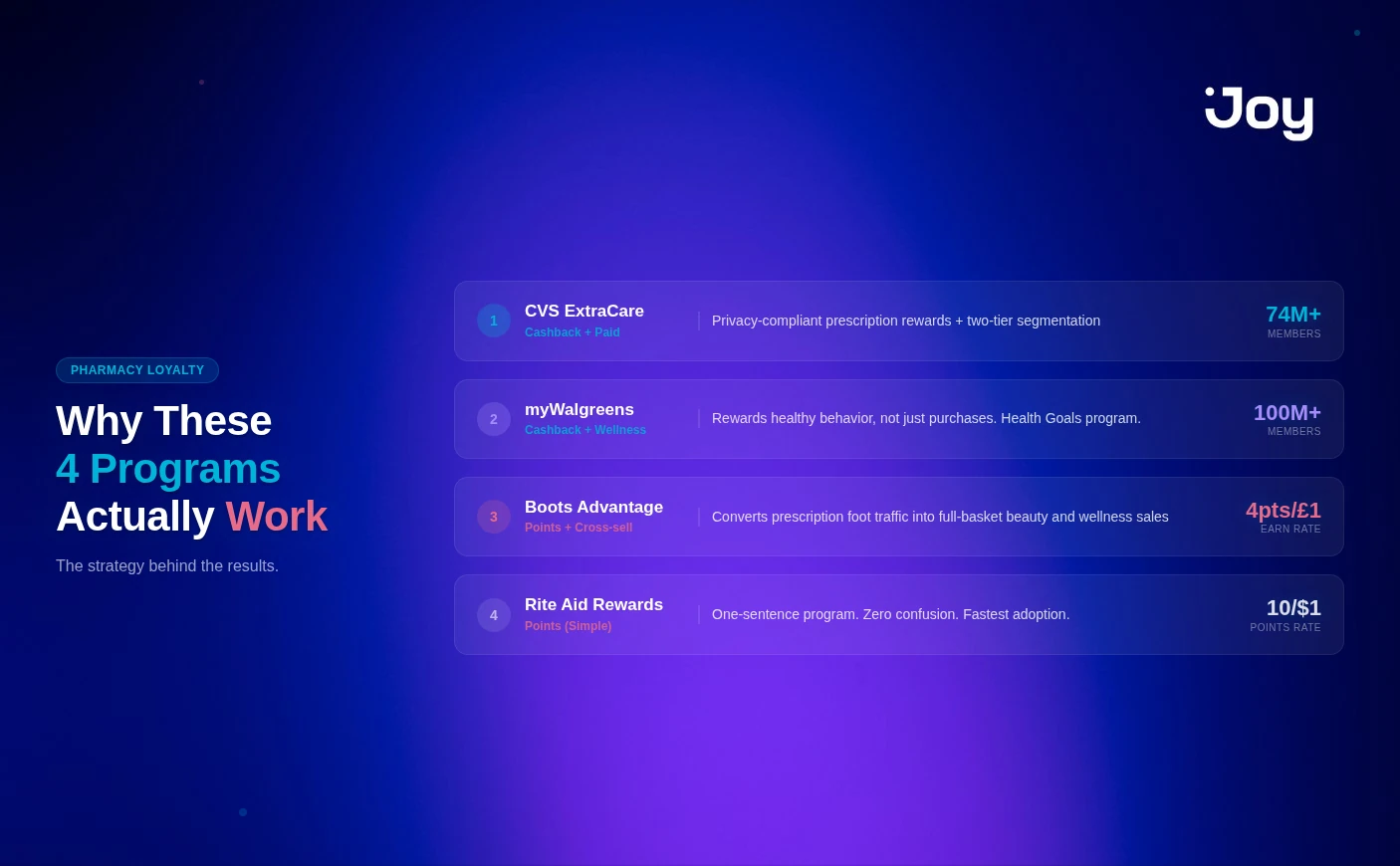
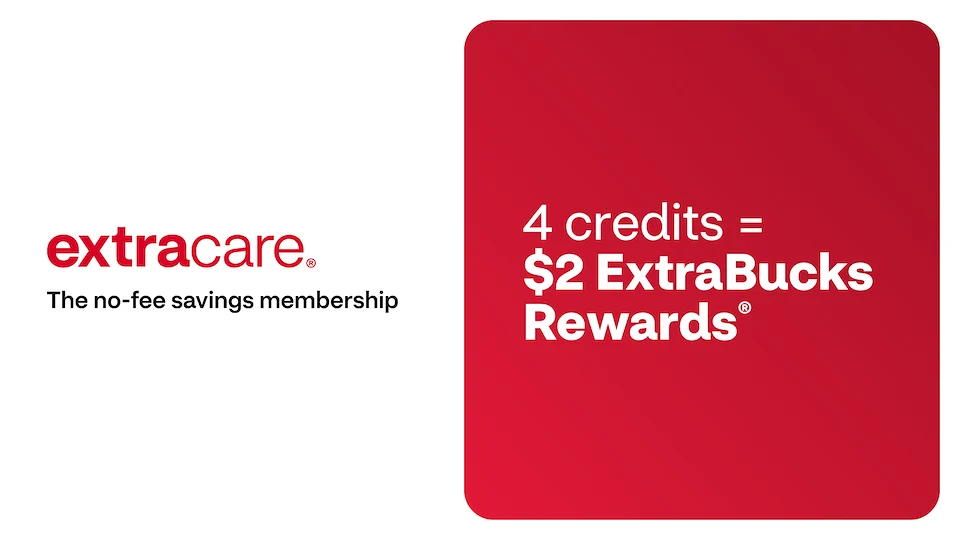
CVS runs the most layered pharmacy loyalty program in the U.S. Worth studying not for its size, but for how it solves HIPAA compliance and customer segmentation within a single structure.
The free tier gives 2% back in ExtraBucks on most purchases, plus personalized deals through the app, email, and text. Members who opt in to pharmacy rewards earn $2 ExtraBucks for every four prescription credits, up to $50 per year. Vaccines count. The paid tier, ExtraCare Plus ($5/month), adds free same-day delivery, a $10 monthly bonus, and 20% off CVS Health brand products.
Why it works:
- Turned HIPAA from a blocker into a feature: Most programs avoid prescription rewards because of compliance risk. CVS built privacy authorization into the enrollment flow and made prescriptions a loyalty driver instead.
- Self-sorting segmentation: Two tiers let casual and heavy shoppers pick their own lane. No one feels underserved.
- Personalization at scale: Email/text opt-in members save 3x more, which trains repeat behavior through relevance rather than discounts alone.
Results: According to Retail Touchpoints, over 74 million free members and 6.5 million paid ExtraCare Plus members. CVS credits personalized digital deals as a key driver of the program's success.
Lesson: If you want to reward prescription activity, build the privacy authorization into enrollment from day one.
2. Walgreens myWalgreens
Most pharmacy programs reward spending. Walgreens rewards behavior. That's what separates it.
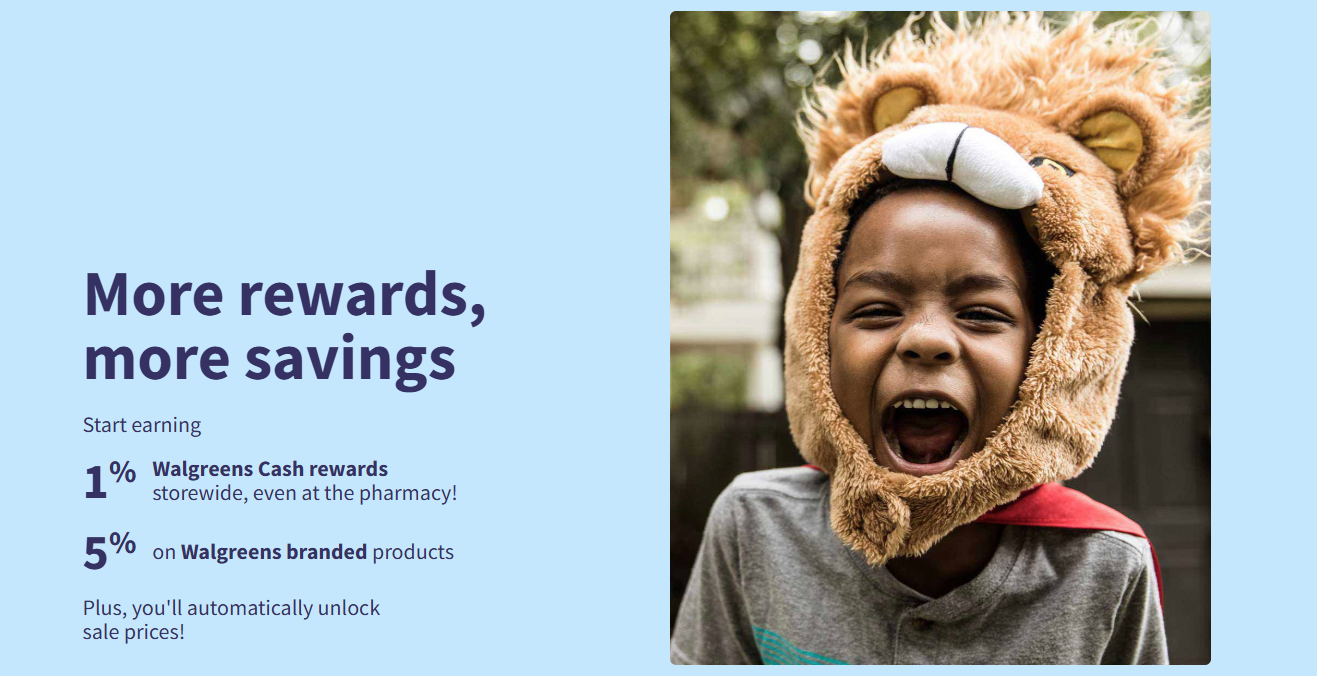
Members earn 1% Walgreens Cash on most purchases and 5% on Walgreens-branded products. The standout is Health Goals: customers earn rewards for completing wellness challenges like step counts, blood pressure tracking, or health screenings.
Why it works:
- Sells identity, not discounts: Health Goals tells customers, "We care about your health, not just your wallet." That reframes the pharmacy from a store into a wellness partner.
- Margin-friendly rewards: The 5% branded product rate quietly shifts purchases toward higher-margin private labels. Customers feel rewarded. Walgreens protects margins.
- Sticky app ecosystem: Prescriptions, health alerts, wallet, and personalized deals all live in one app. The program gives customers reasons to open it daily, not just at checkout.
Results: According to Retail Dive, over 100 million members and 65+ million app downloads. Members earn 5% Walgreens Cash on branded health essentials, beauty, and vitamins.
Lesson: Reward healthy behavior, not just purchases. Start small: points for flu shots, screenings, or community wellness events.
3. Boots Advantage Card (UK)
Boots proves pharmacy loyalty doesn't have to live behind the prescription counter. The program is strongest in beauty, wellness, and everyday essentials.
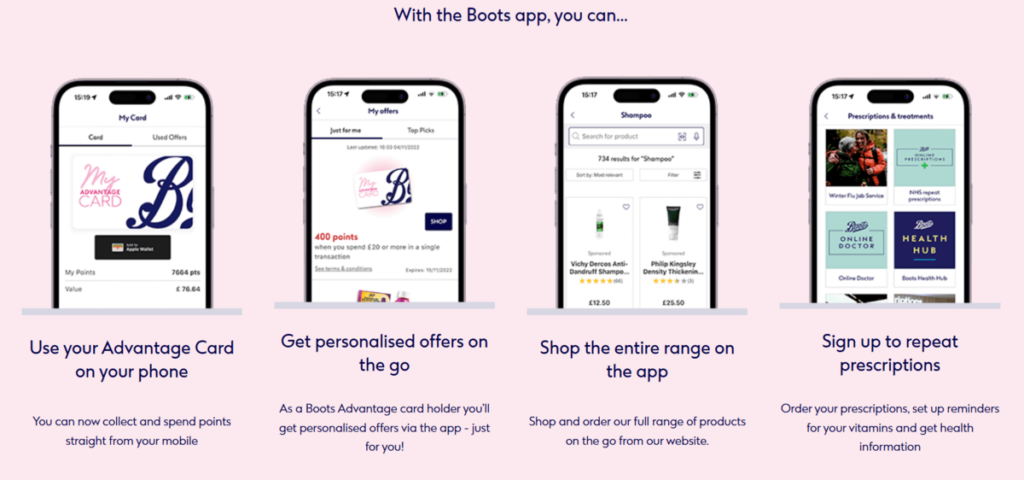
4 points per £1 spent, with a 10% student discount. Boots uses loyalty data to push personalized offers across the whole store.
Why it works:
- Converts foot traffic into full baskets: Prescriptions get people through the door. The loyalty program moves them down the aisles into higher-margin categories.
- Long-game acquisition: The student discount hooks younger customers before they pick a competitor. They start with beauty, graduate to prescriptions.
- Data-driven cross-sell: Loyalty data powers personalized offers that connect pharmacy visits to beauty and wellness purchases.
Results: One of the UK's longest-running pharmacy loyalty programs. Strong cross-category engagement with basket sizes well beyond prescription value.
Lesson: If your pharmacy has a strong OTC or beauty section, reward the full basket. That's where visits become bigger tickets.
4. Rite Aid Rewards
Sometimes the best program is the simplest one. Rite Aid doesn't try to be clever. It makes the math easy.
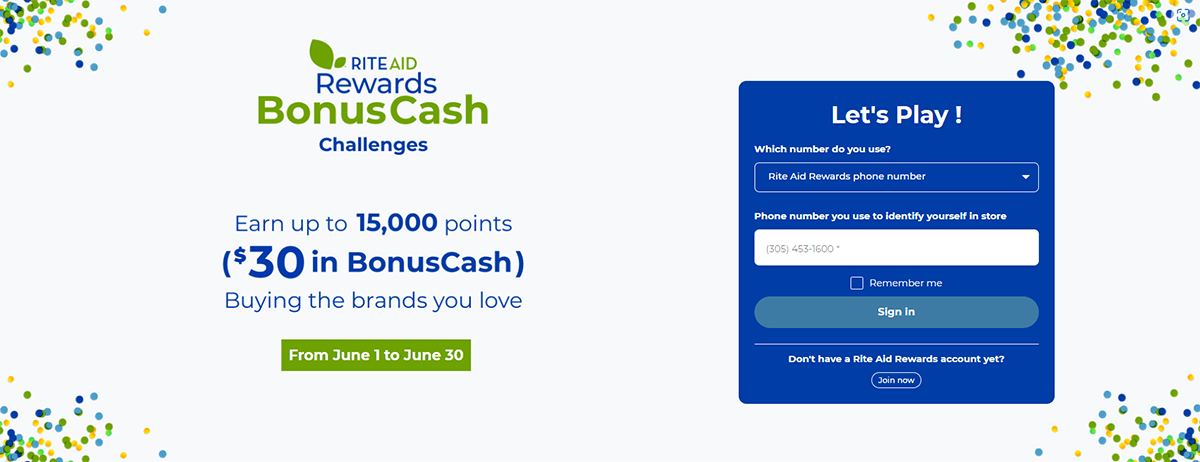
10 points per $1 on most purchases. Previously called "wellness+" before a rebrand. No tiers, no paid upgrades, no complicated redemption.
Why it works:
- Eliminates the #1 loyalty killer: confusion: 65% of consumers engage with fewer than half the programs they've joined. Rite Aid removes the main reason for drop-off.
- One-sentence program: Ten points per dollar. No calculator needed. No tiers to decode.
- Brand-integrated naming: Rebranding from "wellness+" to "Rite Aid Rewards" tied the program to the store itself, one less thing to remember.
Results: Fast adoption, low friction enrollment, and minimal customer confusion.
Lesson: If customers can't explain your program in one sentence, it's too complex.
II. How to Build a Pharmacy Loyalty Program
Seven steps. No fluff. Each one comes from what actually works in the programs above.
| Step | Action | Why It Matters |
|---|---|---|
| 1. Segment customers | Use POS data to find your top 20% by revenue | Different groups need different incentives. Your top 20% are the retention priority. |
| 2. Pick a structure | Match to your reality: points for tight margins, paid tier if you have delivery | See the comparison table above. Don't copy. Run your own numbers. |
| 3. Protect your margins | Set points per dollar, thresholds, and excluded departments | Tie bonus points to private label OTC products for better margins. |
| 4. Train your staff | Set registers to prompt clerks for every transaction | 60% of consumers say surprise gifts are the #1 loyalty attribute. Staff drive sign-ups. |
| 5. Go digital (simply) | Digital card at POS. Skip the bloated app. | Start with QR codes and mobile cards. Add features later. |
| 6. Reward beyond purchases | Points for flu shots, reviews, referrals, wellness events | This turns a program into a relationship. |
| 7. Measure and adjust | Track: enrollment, active %, redemption, repeat rate, basket size | Low redemption = weak rewards. High enrollment + low engagement = too generic. |
Before you launch, there's one thing that can shut down a pharmacy loyalty program overnight.
III. Pharmacy Loyalty Program Compliance: HIPAA, Medicare, and What You Can't Ignore
This is the section most pharmacy loyalty articles skip. Don't skip it.
HIPAA stands for the Health Insurance Portability and Accountability Act. It's the federal law that governs how pharmacies handle Protected Health Information (PHI). If your loyalty program tracks prescription data, as CVS's pharmacy rewards do, you need a separate privacy authorization from each member before collecting anything. Family members sharing one card must each opt in individually. This isn't optional.
CVS's model is a good reference. They built this authorization step directly into enrollment. That's why they can offer prescription credits without violating the law.
Medicare and Medicaid add another layer. Federal anti-kickback statutes can prohibit giving rewards tied to government-funded prescriptions. This varies by state. Several states, including Arkansas, New Jersey, and New York. Hawaii and Louisiana block rewards on controlled substance prescriptions.
Practical advice: A general loyalty framework is fine for OTC items. Prescription-linked rewards need legal review. Talk to a healthcare attorney before launching.
This article isn't legal advice. Rules change by state and by year. Start with the HIPAA Journal's pharmacy compliance guide and Drug Topics' HIPAA walkthrough for current requirements.
IV. Common Mistakes That Kill These Programs
Treating everyone the same: Programs that don't differentiate between tiers tend to have lower engagement. Your top spenders should feel different from first-time visitors.
Ignoring staff buy-in: If your team doesn't pitch it, enrollment stays flat.
Over-engineering the math: If customers need a calculator to figure out rewards, you've lost them. One sentence to explain. That's the bar.
Skipping privacy compliance: One HIPAA violation costs more than any loyalty program will ever earn you.
Set and forget: Refresh rewards seasonally. Analyze what's working. This isn't a launch-and-leave project.
V. Build a Pharmacy Loyalty Program That Matches Your Strengths
The best pharmacy loyalty programs aren't the most complex. They align with the pharmacy's strengths (personal care, health trust, community connection) through a simple, well-run structure.
If you're an independent, you already have the #1 advantage: customer satisfaction and trust. A loyalty program gives a system that advantage.
Running your pharmacy on Shopify? Joy's loyalty platform handles points, tiers, and referrals with direct POS integration. You can set it up yourself or explore more loyalty program examples across industries.

Written by
Thomas Nguyen is the CEO & Co-founder of Joy, a loyalty solution for Shopify and eCommerce brands. With years of experience building high-performance Shopify apps, Thomas aims to help merchants grow through customizable and retention-focused tools.
Related reading
 Industry Spotlight
Healthcare Loyalty Programs: 8 Examples That Improve Patient Retention
Physicians lose roughly 50% of their patient database over five years. Other industries solved this with loyalty programs. Healthcare is only now catching up.
 Thomas Nguyen
 Industry Spotlight
10 Best Rental Car Rewards Programs for Business Owners (2026 Guide)
Your sales team rented 47 cars last quarter. How many of those earned a free rental day? Most business owners don't track this and it's costing them.
Thomas Nguyen Industry Spotlight
Rent Rewards Programs: The Best Loyalty Programs for the Rental Industry
Rent rewards programs can cut turnover and boost NOI, but not every program fits every property.
Thomas Nguyen Industry Spotlight
Best Airline Loyalty Program: How Top Programs Drive Revenue, Retention, and Growth
Strip out loyalty revenue, and not a single major US airline turned a profit from flying alone in 2024. The flights are the loss leader. The loyalty program is the profit center.
Thomas Nguyen Industry Spotlight
7 Pet Loyalty Programs That Fetch More Sales & Customer Love
Discover how top companies in pet industry engage customers with personalized rewards, exclusive perks, and community-building initiatives that lead to more sales and lasting loyalty.
Thomas Nguyen Industry Spotlight
Best Healthy Reward Programs: What Top Brands Do (And How to Build Your Own)
Health customers start strong — then disappear. The products work. The habits don't stick. A rewards program creates the external motivation that keeps them coming back.
Thomas Nguyen