
Brand Loyalty Questionnaire: 9 Strategic Steps for 2026
Likes don't reveal why customers stay. A brand loyalty questionnaire does. This guide breaks down 9 strategic steps to design, distribute, and act on surveys — from NPS and CSAT setup to automated follow-ups — so you can stop guessing and start retaining at lower acquisition costs.

Summarize this post with AI
The global marketing landscape in 2026 faces a critical crisis where the B-brand loyalty questionnaire is a vital tool for survival. A well-designed brand loyalty questionnaire acts as a strategic shield against rising platform prices and market volatility. Modern merchants prioritize the lifetime value of a fan over the quick win of a single sale.
Our guide outlines how to audit your customer base through real data to drive resilient growth. These steps ensure your organization thrives despite shifting digital tides. Effective surveys bridge the communication gap between shoppers and the brands they love. We provide the strategic roadmap to secure your revenue in this high-stakes environment.
What is a Brand Loyalty Questionnaire?
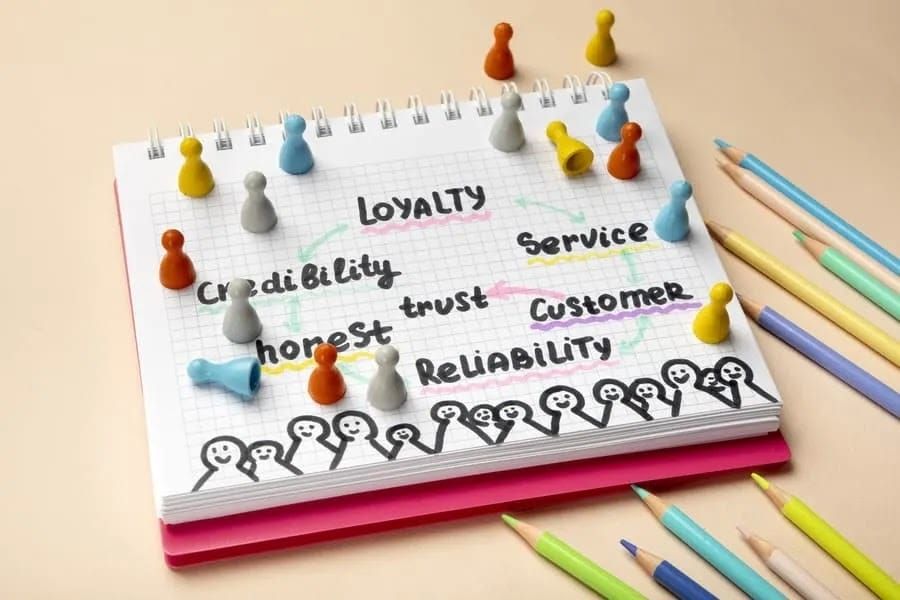
A brand loyalty questionnaire acts as a diagnostic mirror for any modern business. We define a brand loyalty questionnaire as a strategic research tool designed to measure the depth of a consumer's attachment to a brand.
Its core component typically includes a mix of Likert scales to measure intensity and open-ended queries to capture raw, qualitative feedback. Variations of this instrument range from quick post-purchase satisfaction pulses to deep Attitudinal Brand Trackers that map long-term emotional shifts.
For example, a high-growth brand might deploy a 7-question survey after a customer's third order to isolate the specific "magic moment" that triggered their loyalty. Strategic tools like these act as a bridge, turning abstract feelings into Predictive Analytics that guide inventory and marketing decisions.
Our approach focuses on building a foundation for organizations to audit their customer bonds. The shift toward Direct-to-Consumer (DTC) relationships requires superior data collection methods. Leading brands are moving away from unreliable third-party tracking in favor of Zero-party data. This information comes directly from the shopper, helping you understand the psychological and behavioral commitment of your fans.
A structured brand loyalty questionnaire effectively quantifies this commitment. You can easily distinguish between a casual buyer and a true brand advocate. This distinction remains vital for long-term survival in a crowded marketplace. Modern commerce demands a deeper connection than just a competitive price point.
Organizations use these tools to increase repeat purchases and foster higher customer lifetime value. We recommend using these surveys to collect valuable data that helps you differentiate from competitors. Deep research also drives better engagement and a superior Customer Experience.
Why Modern Brands Require Strategic Feedback Loops
Marketing models face a "leaky bucket" problem in 2026, where constant traffic acquisition is no longer financially sound. Digital advertising costs have surged significantly, with average CPA rising from $5.84 in 2023 to over $23 in 2024. A brand loyalty questionnaire acts as a strategic diagnostic tool to find "at-risk" customers. You can then convert these individuals into high-value brand advocates through targeted intervention.
Quantitative metrics like traffic tell you what is happening, but a brand loyalty questionnaire explains the why. Direct feedback serves as the primary mechanism for optimizing budgets and securing long-term revenue. Consider these current market realities:
- Ad costs are rising sharply while conversion rates across major platforms drop.
- Average CPA has increased by nearly 300% in a very short period.
- Organizations must focus on Retention ROI to remain profitable in high-cost environments.
- A 5% increase in retention can significantly boost overall corporate profits.
Identifying High-Value Segments Through Qualitative Data
We suggest moving the focus from basic demographics to identifying "whales." These are shoppers with high Customer Lifetime Value and psychological commitment. A Brand Loyalty Questionnaire reveals Behavioral Intent that automated tools miss.
You can ask about "future intent" to stay with the brand. This reveals high-potential segments. You can then tailor your loyalty program features to suit them. We believe qualitative data is the key to deep Customer Segmentation. It allows for personalized marketing that resonates.
Reducing Customer Churn via Proactive Feedback Loops
Our Churn Mitigation process uses surveys as an early warning system for your brand's health. A subtle drop in satisfaction scores signals a problem long before a customer leaves. You can identify "at-risk" users and address their concerns in real time.
The financial impact of this proactive approach is undeniable. High retention leads to a 1700% return on investment for some industry leaders. We use proactive loops to fix operational issues and keep your brand healthy. Consistent feedback helps you stay in touch with your audience's evolving needs.
Case Studies in Strategic Implementation
Different brands utilize these tools in unique ways to dominate their respective niches. The SaaS model often uses "Feature Value" questions to identify essential tools for their users.
Fashion brands like Allbirds have used these insights to bridge online and offline gaps as they launch in new regions, such as Korea. They required a program that worked everywhere to maintain a 45% point redemption rate.
SwitchBot, a leader in smart home devices, used API integration to track points across website and app touchpoints for their 9 million connected devices. This ensures a unified Customer Experience regardless of where the customer interacts with the brand.
These examples show how a brand loyalty questionnaire supports diverse global goals. We see 35-50% redemption rates when loyalty and feedback live natively within the brand ecosystem.
3 Core Components of an Effective Brand Loyalty Questionnaire

Effective surveys balance hard numbers with emotional insights to create a complete picture. We believe your brand loyalty questionnaire must do more than just count stars or ratings. Every high-performing survey must include three pillars: behavioral intention, emotional resonance, and perceived value.
Quantitative Metrics: NPS and CSAT Integration
The Net Promoter Score (NPS) remains a gold standard for measuring the "virality" of your brand. By asking customers on a scale of 0-10 how likely they are to recommend you, you create a clear benchmark for Brand Advocacy.
Simultaneously, you should calculate the Customer Satisfaction Score (CSAT) for specific touchpoints. This might include shipping speed or the helpfulness of your support team. These numbers provide the "hard data" needed to justify operational changes over long periods.
Qualitative Insights: Emotional and Attitudinal Tracking
Emotional loyalty is what actually survives a recession or a competitor's price war. Your brand loyalty questionnaire should ask "How does our brand make you feel?" to uncover subconscious links.
Understanding Brand Trust and cultural alignment is critical for Gen Z and Alpha consumers. These groups increasingly buy based on shared values rather than just product utility. This attitudinal data helps you craft marketing messages that resonate on a human level.
9 Steps to Implement a Brand Loyalty Questionnaire

We believe that the best data comes from a frictionless experience that feels like a natural extension of the journey. To launch a brand loyalty questionnaire that people actually want to fill out, you must be surgical with your timing.
Step 1: Define Your Loyalty Dimensions
Before writing a single question, you must decide what "loyalty" means for your specific brand. Defining these dimensions ensures your brand loyalty questionnaire is focused and avoids wasting the customer's time. Consider prioritizing metrics such as:
- Customer Retention: Increasing the frequency of repeat purchases.
- Customer Lifetime Value (LTV): Growing the total value a customer brings over time.
- Referrals: Encouraging existing fans to recommend your brand to others.
Step 2: Select Your Metric Framework (NPS vs. CSAT)
Choose the primary "number" you want to influence based on your business goals. You may focus on long-term brand health or optimize specific touchpoints within your sales funnel. For example, tracking the Return on Investment (ROI) of your engagement efforts can help justify your strategic pivots.
Step 3: Design the 7-Question Core Set
Keep your inquiries brief to ensure high completion rates. A simple brand loyalty questionnaire provides enough data for customer segmentation without causing survey fatigue. Use a mix of quick-response scales for speed and open-ended questions to gain deep insights into Customer Sentiment.
Step 4: Choose the Right Distribution Tool
For modern merchants, the best results come from an integration that syncs directly with your customer database. Tools that allow for native, "no-widget" experiences see much higher engagement levels. Utilizing a Developer Kit or API Integration ensures that the data is tracked seamlessly across both website and mobile touchpoints.
Step 5: Time the Distribution Across Email and SMS
Timing is the most critical factor in feedback collection. Send your brand loyalty questionnaire when the "post-purchase high" is still active, but after the customer has had time to use the product. You can reach millions of shoppers by utilizing diverse channels such as:
- Messaging Platforms: Using apps like KakaoTalk for direct engagement.
- Email Marketing: Automating campaigns to reach customers in their inboxes.
- In-Store Promotion: Training cashiers to encourage participation during physical visits
Step 6: Incentivize with Exclusive Rewards
Do not expect customers to provide feedback without a clear benefit. Reward every completed brand loyalty questionnaire with Loyalty Points or a "thank you" discount code. This not only boosts response rates but also encourages the very repeat purchase behavior you are trying to study.
Step 7: Analyze Emotional vs. Transactional Data
Centralized data management allows you to track and optimize the global customer journey. Use these insights to identify patterns in how customers interact with your brand across online and physical locations. This unified view helps you refine your brand storytelling and address gaps in the Customer Experience.
Step 8: Segment Respondents Based on Sentiment
Use the collected data to categorize customers into targeted follow-up buckets. This allows you to differentiate your approach based on their level of commitment:
- High-Tier Members: Provide Milestone Rewards and exclusive access to new products.
- At-Risk Customers: Send personalized offers or birthday coupons to reactivate their interest.
- New Members: Offer welcome discounts to celebrate their enrollment in your program.
Step 9: Automate the Follow-up Actions
The most significant mistake is asking for feedback and then ignoring the results. Set up Automated Workflows that trigger based on survey responses. If a customer mentions a specific pain point in your brand loyalty questionnaire, ensure the system triggers an immediate resolution or provides a reward to rebuild Brand Trust.
Conclusions
A brand loyalty questionnaire allows you to move from guessing to knowing why your customers stay. By using NPS and emotional triggers, you build a fortress against high acquisition costs. We recommend starting with a 7-question survey to immediately optimize your store health and engagement.
Large brands like Allbirds and SwitchBot have proven that listening to their fan bases delivers massive ROI. The bottom line is simple: use your customers' voices to guide your growth. Every questionnaire you send is an investment in your brand's future.
Start your audit today to secure your spot in the competitive 2026 market. We are here to help you turn raw data into long-term joy.
Frequently Asked Questions (FAQs)
What are the best questions for a brand loyalty questionnaire?
The best questions focus on behavioral intent and emotional connection. Ask how likely they are to recommend you and how the brand fits into their identity. Include questions about perceived value compared to competitors.
How often should I send a brand loyalty questionnaire?
We recommend sending a detailed Brand Loyalty Questionnaire twice a year. Use shorter pulses after major interactions or milestone purchases to keep the data fresh. Avoid over-surveying to prevent customer fatigue and low response rates.
What is a good response rate for a loyalty survey?
A response rate between 15% and 30% is considered strong for e-commerce brands. Offering incentives, such as Loyalty Points, can significantly increase these numbers. High engagement usually indicates a healthy and connected customer base.
Can I automate questionnaires on Shopify?
Yes, you can automate a Brand Loyalty Questionnaire using apps like Joy. These tools trigger surveys based on specific customer actions, such as making a purchase or reaching a new membership tier. Automation ensures consistent data collection without manual effort.

Written by
Thomas Nguyen is the CEO & Co-founder of Joy, a loyalty solution for Shopify and eCommerce brands. With years of experience building high-performance Shopify apps, Thomas aims to help merchants grow through customizable and retention-focused tools.
Related reading
 How-to Guide
Building Brand Loyalty for Ecommerce Brands in 2026: A Complete Playbook
Building brand loyalty is how smart ecommerce brands grow without chasing ads. Learn simple ways to turn buyers into repeat fans.
 Thomas Nguyen
 How-to Guide
Loyalty Program Management: What It Actually Takes to Run a Program That Grows
If your loyalty program launched strong and then quietly stopped moving, this is the guide that fixes it
Thomas Nguyen How-to Guide
How to Build a Customer Loyalty Survey That Prevents Churn
Most brands feel churn coming but never ask why. A well-designed customer loyalty survey flags at-risk customers while they're still buying — covering NPS, CSAT, and CES, question design, and how to turn feedback into retention action.
Thomas Nguyen How-to Guide
How to Measure Brand Loyalty: 6 Critical Metrics for 2026
Likes don't equal loyalty - and neither do single-purchase sales. This guide breaks down how to measure brand loyalty with 6 critical metrics: LTV, repeat purchase rate, retention rate, point redemption, NPS, and UGC. Plus benchmarks for 2026 - when acquisition costs are 4× higher.
Thomas Nguyen How-to Guide
Brand Loyalty Meaning: Definition, Examples & Ecommerce Strategy Guide 2026
Brand loyalty meaning, explained for ecommerce: the three layers behind it, how it differs from customer loyalty, and how to build it in 2026.
Thomas Nguyen How-to Guide
Brand Loyalty Statistics: The 2026 Profitability Guide
Facebook CAC jumped 295% in a year. Allbirds got 1700% ROI from loyalty. This 2026 brand loyalty statistics guide unpacks the benchmarks that separate profitable retention from expensive acquisition — plus the redemption rates, LTV math, and Gen Z data behind today's top programs.
Thomas Nguyen