
Brand Loyalty and Consumer Behavior: Strategic Case Study & Ecommerce Breakdown (2026)
Brand loyalty and consumer behavior are engineered, not accidental. See how Nike, Sephora, and others reshape buying habits - and how ecommerce brands can copy it.
Summarize this post with AI
Brand loyalty is often treated as a simple outcome of good products or attractive rewards. In reality, it is the result of carefully designed systems that shape how customers think, decide, and return over time.
Understanding brand loyalty and consumer behavior means looking beyond discounts and points to the behavioral triggers that keep people coming back.
This guide breaks down how leading brands engineer these behavioral systems and what e-commerce companies can learn from them.
The goal is not just to retain customers, but to shape the decisions that bring them back again and again.
What Actually Drives Brand Loyalty in Consumer Behavior
Brand loyalty is often described as a preference for one brand over another. In reality, the mechanism is much deeper. Loyalty changes how consumers make decisions, not just what they choose.
Habit Formation & Reduced Comparison
The first engine of loyalty is decision simplification. When a customer repeatedly chooses the same brand, the brain gradually reduces the need for a full evaluation. The brand becomes the default option.
In behavioral science, this pattern is often explained through habit formation: repeated actions in stable contexts become automatic decisions. Instead of comparing 5 alternatives every time, the consumer simply repurchases what worked before.
Research from the Ehrenberg-Bass Institute shows that most repeat purchases are not driven by deep emotional love for a brand but by mental and physical availability combined with habitual buying behavior. In other words, loyalty frequently emerges because the brand becomes the easiest option to choose.
For businesses, this habit loop produces measurable operational effects:
- Higher repeat purchase rate
- Shorter purchase intervals
- Lower comparison behavior with competitors
Once a customer reaches this stage, the brand effectively becomes the default option in the consumer’s mental shortlist.
Emotional Attachment & Price Resilience
While habits explain repeated purchases, emotional attachment explains why customers stay even when prices increase or competitors appear.
Strong brands align themselves with the customer’s identity. The product becomes a signal of lifestyle, values, or self-image. When this alignment happens, switching away from the brand creates a subtle psychological cost.
For example, iPhone owners keep upgrading despite consistent price increases.
From a business perspective, emotional loyalty creates structural advantages:
- Higher average order value (AOV)
- Greater tolerance for premium pricing
- More resilient margins during price competition
In other words, this means loyalty protects profitability, not just revenue.
Advocacy & Social Amplification
The final layer of loyalty turns customers into growth drivers. When people trust a brand deeply, they naturally begin recommending it to others.
Research from Nielsen shows that 92% of consumers trust recommendations from friends and family over traditional advertising. That trust makes word-of-mouth one of the most efficient growth channels available.
A classic example is Tesla, which for years relied heavily on referrals and word-of-mouth rather than traditional advertising. Even without large marketing budgets, strong customer advocacy helped accelerate adoption globally.
When advocacy spreads, it creates a compounding marketing effect:
- User-generated content (UGC) increases brand visibility
- Referral loops bring in high-intent customers
- Customer acquisition costs (CAC) decline over time
At scale, this system turns loyal customers into distributed marketing channels, amplifying brand reach without proportional increases in advertising spend.
Why Most Loyalty Programs Fail to Shift Consumer Behavior
Many companies launch loyalty programs expecting them to increase retention. Yet in practice, most programs fail to meaningfully change how customers make decisions.
The problem is structural: they reward purchases after they happen, but they do little to influence the psychology that drives the next purchase.
Discount-Driven “Fake Loyalty”
The most common failure is what analysts call discount-driven loyalty.
Customers join the program, but their behavior is guided almost entirely by price incentives rather than brand preference.
When discounts become the primary motivator, customers learn a simple rule: buy when there is a reward, switch when there is a better offer. This creates incentive dependency rather than loyalty.
Generic Points Without Personalization
Another structural weakness is generic point systems that treat all customers the same. When rewards lack relevance or personalization, they fail to create emotional engagement.
Research from McKinsey indicates that 71% of consumers expect personalized interactions, and companies that grow faster drive 40% more of their revenue from personalization than slower-growing counterparts
Without personalization, the program feels like a chore rather than a curated experience. The result is high participation at launch but gradual churn over time.
No Behavioral Design Post-Purchase
Many loyalty programs focus on points and rewards but ignore the onboarding experience that shapes future behavior.
Behavioral design research from Harvard Business Review emphasizes that habit formation requires repeated cues, rewards, and routines, not just occasional incentives.
When programs lack this structure, they fail to create the habit loop that drives real loyalty. As a result, the loyalty program becomes a passive reward system rather than an active behavior engine.
Case Studies: How Leading Brands Engineer Behavior Change
Loyalty programs often promise rewards, but the most effective brands design systems that reshape customer behavior. Instead of relying on discounts, they build environments where participation naturally leads to deeper engagement.
Below is a comparison of the behavioral engines behind each model.
Nike: Status and Exclusivity Drive Habit Formation
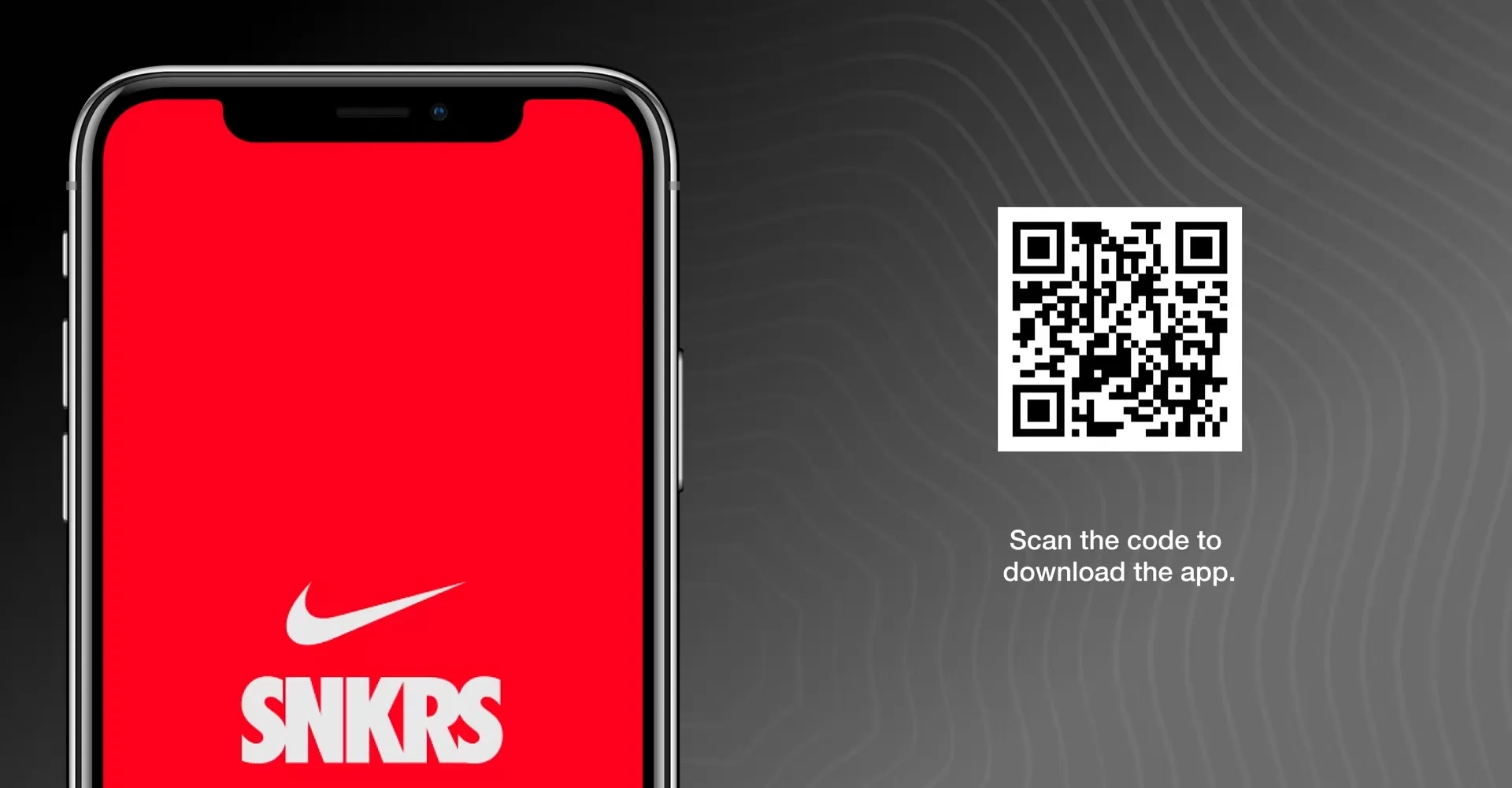
Nike’s loyalty engine is built around membership and access, not traditional reward points. Through its ecosystem of apps and platforms, including Nike Membership, the Nike App, and the SNKRS release platform, the company creates a loop where engagement leads to privilege.
Members receive early access to products, exclusive drops, and personalized experiences. Limited sneaker launches on the SNKRS platform, for example, are intentionally scarce, encouraging customers to check the app frequently and participate in release events. This mechanism creates fear of missing out (FOMO).
The results show how powerful this loop can be. Nike reported that its digital ecosystem had over 300 million members globally across its apps and platforms. The company also disclosed that its direct-to-consumer channels, driven heavily by membership engagement, now account for a major share of revenue growth.
What matters strategically is the underlying system:
- Scarcity creates anticipation
- Membership grants privileged access
- Access reinforces status
Over time, customers develop a habit of returning to Nike’s ecosystem, not just to buy products, but to stay connected to the flow of releases and opportunities.
Sephora: Community and Recognition Drive Advocacy
-7ac905.webp)
Sephora approaches loyalty from a different direction. Instead of focusing on exclusivity alone, the company built a social ecosystem around beauty enthusiasts.
Its Beauty Insider loyalty program is one of the largest in retail. Sephora has reported more than 34 million members in North America, and the program drives roughly 80% of the company's sales in the region.
But the real engine is not the points system. It is community participation combined with recognition.
Members can interact through the Beauty Insider Community platform, where they post product reviews, share tutorials and beauty routines, and answer questions from other shoppers.
These activities transform customers into contributors and advisors, strengthening their connection to the brand. The system rewards not only purchases but also participation and expertise.
Strategically, the system works like this:
- Participation builds social presence
- Recognition validates expertise
- Community belonging increases switching costs
Leaving the brand would mean losing a network, reputation, and shared identity built within that ecosystem.
What These Models Reveal About Consumer Behavior
Comparing Nike and Sephora reveals a useful strategic insight: loyalty is rarely about rewards alone. It is about designing systems that shape how customers behave.
- Nike builds loyalty through status and access, embedding the brand into customers’ routines through exclusive releases and membership privileges.
- Sephora builds loyalty through community and recognition, turning customers into active participants who help shape the brand experience for others.
Both approaches demonstrate the same underlying principle: when loyalty programs change behavior rather than simply reward purchases, they become much harder to replace.
Strategies to Engineer Loyalty-Driven Consumer Behavior (2026 Playbook)
Strong loyalty programs are not built around rewards alone. They are built around behavioral systems that shape how customers interact with a brand over time. The goal is not just repeat purchases, but predictable patterns of engagement.
The following strategies reflect how leading companies structure loyalty to influence behavior:
1. Design Predictable Habit Loops
The most durable loyalty programs create repeatable behavioral cycles. Instead of waiting for the next purchase, they keep customers interacting with the brand between transactions.
Three mechanisms typically power this loop:
- Post-purchase education – onboarding emails, tutorials, or guided product use
- Usage reinforcement – reminders, progress tracking, or milestone rewards
- Subscription triggers – replenishment prompts or automated reorders
These touchpoints transform a one-time purchase into a usage habit.
The underlying system is simple: use → reminder → reinforcement → repeat use.
Over time, the habit becomes the loyalty driver.
2. Build Emotional Switching Costs
Financial rewards can attract customers, but emotional switching costs keep them from leaving. These costs accumulate when customers invest time, data, or social identity inside the brand ecosystem.
Common structures include:
- Saved data – preferences, order history, or personal recommendations
- Exclusive access – member-only products or early launches
- Community visibility – reviews, rankings, or contribution history
Each layer increases the cost of abandoning the system.
In practical terms, loyalty strengthens when leaving the brand means losing status, personalization, or recognition.
3. Use AI for Behavioral Segmentation
Traditional segmentation groups customers by demographics or purchase history. Modern loyalty systems increasingly rely on behavioral segmentation powered by AI.
Machine learning models analyze browsing patterns, purchase timing, and engagement signals to predict what state a customer is in.
Two common behavioral modes include:
- Discovery mode – exploring products and inspiration
- Savings mode – actively searching for deals or rewards
Platforms such as Salesforce and Adobe now offer predictive tools that recommend when to trigger offers or incentives based on these signals.
The result is predictive reward timing. Instead of constant discounts, incentives appear precisely when they are most likely to influence behavior.
4. Balance Transactional and Emotional Rewards
The most resilient loyalty strategies combine immediate incentives with long-term identity building.
- Transactional rewards provide short-term motivation (discounts, cashback, points).
- Emotional rewards create lasting attachment (recognition, status tiers, exclusive experiences)
When both forces work together, loyalty programs shift from simple promotions to a behavioral infrastructure that continuously guides how customers interact with the brand.
Conclusion
In short, the strongest loyalty emerges from systems that shape customer behavior over time.
The case studies and strategies discussed in this guide reveal a common pattern: leading companies do not treat loyalty as a marketing campaign. They design behavioral architectures that reinforce habits, identity, and emotional investment.
Several mechanisms repeatedly appear across successful loyalty ecosystems:
- Habit loops that connect product usage with repeated brand interaction
- Emotional switching costs created by saved data, recognition, or community participation
- Behavioral segmentation powered by data and AI
- A balance between transactional and emotional rewards
When these elements work together, loyalty stops being transactional. The brand becomes part of the customer’s routine, identity, or social environment.
In other words, loyalty is not just a retention metric. It is a strategic growth engine. Brands that engineer behavioral systems around their products will consistently outperform those that rely only on promotions or discounts.
FAQs
How does brand loyalty influence long-term consumer decision-making?
Brand loyalty simplifies decision-making by reducing cognitive effort and perceived risk. Once customers trust a brand, they rely on past positive experiences rather than evaluating every alternative.
What psychological factors increase price tolerance?
Customers are willing to pay higher prices when they perceive additional psychological value beyond the product itself.
Several factors contribute to this effect:
- Trust: confidence that the brand will deliver consistent quality
- Identity alignment: the brand reflects how the customer sees themselves
- Status signaling: membership tiers or exclusivity communicate prestige
- Convenience and familiarity: switching feels risky or inconvenient
For example, Apple consistently maintains premium pricing across its devices. Despite higher prices, the company reported over $383 billion in revenue in fiscal 2023, driven partly by a highly loyal customer base and a tightly integrated ecosystem.
Can emotional loyalty outperform discounts?
Yes. In many cases, emotional loyalty is significantly more durable than price-based incentives.
Discount-driven programs encourage transactional behavior, so customers return only when the price is lower. Emotional loyalty, by contrast, builds attachment through identity, recognition, or community.
What behavioral metrics best indicate loyalty?
To truly measure loyalty in 2026, brands need to track engagement and relationship depth.
Key indicators include:
- Repeat purchase frequency: Measures how often customers return within a defined time window.
- Customer lifetime value (CLV): Tracks the total revenue a customer generates over their relationship with the brand.
- Engagement metrics: Examples include app usage, community participation, or content interaction.
- Advocacy signals: product reviews, social sharing, referral rates
The most reliable sign of loyalty is not just repeat purchasing. It is when customers actively invest their time, attention, and reputation into the brand ecosystem.

Written by
Thomas Nguyen is the CEO & Co-founder of Joy, a loyalty solution for Shopify and eCommerce brands. With years of experience building high-performance Shopify apps, Thomas aims to help merchants grow through customizable and retention-focused tools.
Related reading
 Examples & Inspiration
Coca-Cola Brand Loyalty: 5 Strategies E-commerce Brands Can Use to Boost Retention
Coca-Cola brand loyalty is built on emotion, consistency, and ubiquity - not discounts. See the 5 strategies behind it and how to apply them to ecommerce retention.
 Thomas Nguyen
 Examples & Inspiration
Bad Loyalty Programs: 4 Examples of What NOT to Do
Loyalty programs should build customer relationships but when poorly designed, they do the opposite. In this article, we uncover 4 real-world loyalty programs that backfired, frustrating users and damaging brands. Learn what went wrong and how you can avoid the same costly mistakes.
Thomas Nguyen Examples & Inspiration
Green Loyalty Programs: The Ultimate Win-Win for You and the Planet
Learn how to build a green loyalty program that rewards eco-friendly actions like recycling and sustainable shopping, helping your brand connect with today’s environmentally conscious customers.
Thomas Nguyen Examples & Inspiration
7 Personalized Loyalty Program Examples (With Tactics You Can Use Today)
Here are 7 personalized loyalty programs worth studying, with practical tactics you can apply to your store today.
Thomas Nguyen-68d473.webp&w=3840&q=75) Examples & Inspiration
Examples & Inspiration23 Best Referral Program Examples by Industry (And How to Build Your Own)
Most referral roundups stop at the reward. We checked 23 programs against each brand's own page to show what actually makes them work - and how to build your own.
Thomas Nguyen Examples & Inspiration
IKEA Loyalty Program: How 170M Members Drive 50% of Revenue
IKEA Family has 170M members driving 50% of revenue — with zero tiers and a flat structure. After 73 years, the 2025 points refresh adds a new layer. This breakdown covers how it works, the emotional-loyalty playbook, hub-and-spoke architecture, and what Shopify brands can steal.
Thomas Nguyen