
JCPenney Rewards Analysis 2026: The Strategic Mechanics of "CashPass"
The JCPenney rewards program turns points into a branded "CashPass" currency. See how its earn rates, stacking, and 45-day expiry are engineered to drive sales.
Summarize this post with AI
The JCPenney rewards program is a masterclass in behavioral economics because it turns abstract data into a branded currency called "CashPass." That move creates a high-velocity loyalty engine — vital in a market where shoppers face constant digital noise.
While many programs fail to engage users, this one stands out by offering a clear financial use: a sense of liquid wealth to spend in the store.
This analysis looks at how the program balances merchant margins with customer perks to drive foot traffic and brand stickiness.

The "CashPass" Model: Rebranding Loyalty for Tangibility
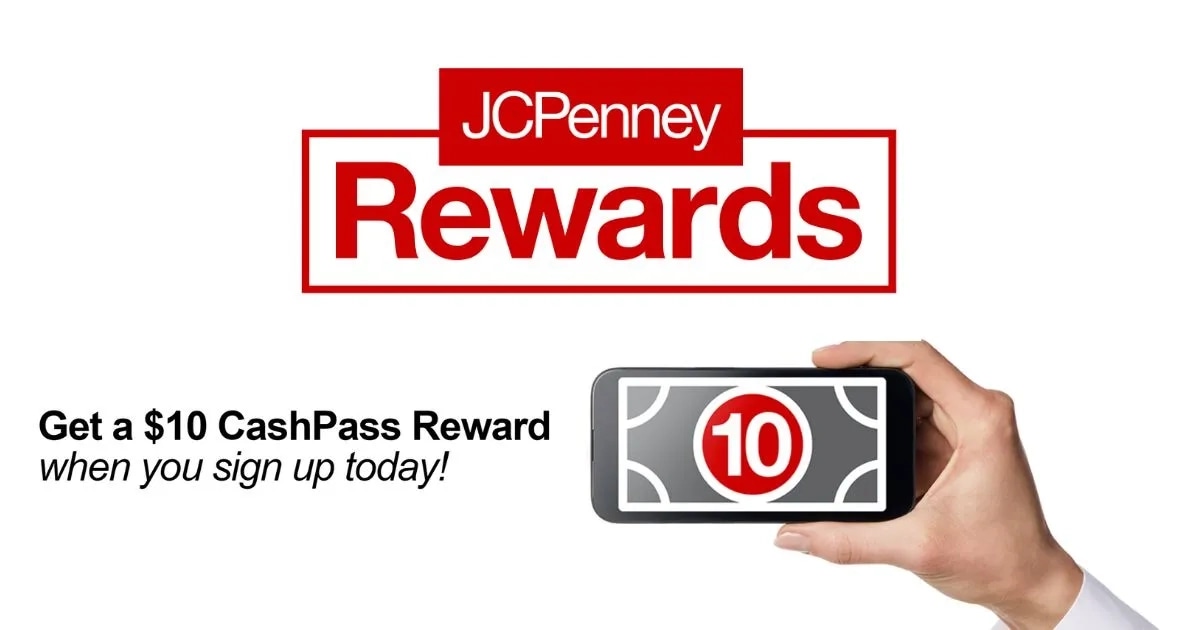
The program works because it makes the path to a reward simple and intuitive. It is a retail incentive system where members earn points that turn into a $10 "CashPass" once they hit a goal — a point-per-dollar tracker that auto-issues the reward at 200 points.
Credit card holders earn even faster, which nudges them to reach their goals sooner. A shopper spends $200 and gets a digital "CashPass" in the app. That creates a "psychological wallet" where customers feel they hold real cash, so they return to spend their found money before it is gone.
This shift to "CashPass" helps shoppers who would otherwise ignore abstract point totals. Naming the reward "Cash" signals immediate value, drawing in the customer who ignores points but loves "free money."
It creates a sense of ownership, and the high-velocity design aims to increase visit frequency. Unlike airline miles, these rewards are easy to reach — which keeps the brand top of mind.
Earn Velocity and Unit Economics: Analyzing the Return on Ad Spend (ROAS)
The earn rate is set to manage costs while keeping shoppers hooked. Because different tiers reward the best customers, the strategy drives a high return on investment by focusing on customer lifetime value.
Standard Members: The 5% Loss Leader Strategy
Standard members follow a 5% loss-leader plan that helps the brand capture data and retain shoppers. The math is simple: members earn 1 point per $1 spent, and $200 unlocks a $10 reward — a 5% return.
Most stores only offer 1% to 3%, so this high rate is a strong acquisition tool. It also lets the brand collect high-quality data for better marketing, keeping the free tier more attractive than rivals. Strategic advice for merchants:
- Use data for retargeting: leverage sign-up email data to send custom deals.
- Monitor acquisition costs: Track how much you spend to get each new member. High returns only pay off if the customer returns.
- Segment your audience: Group members by what they buy — a customer buying towels should see home decor ads.
- Automate your flows: Trigger auto-emails when members are close to their goal, nudging them to spend more to reach the next $10.
The PLCC Accelerator: 7.5% Return as a "Golden Handcuff"
The co-branded credit card acts as a "Golden Handcuff" for top shoppers. Cardholders earn 1.5 points per $1 — a 7.5% return — which gets them rewards 33% faster than everyone else and locks them into the store's world.
Even with the card's high interest rates, the rewards feel worth it to the consumer, which keeps shoppers from drifting to other stores. The system rewards the biggest spenders, reinforcing the brand's ecosystem. Strategic advice for card programs:
- Push app adoption: Link the card to a mobile app to reduce friction at the register.
- Offer exclusive perks: Give card members early access to sales so membership feels like a VIP club.
- Educate your staff: Train cashiers to explain the 7.5% return clearly — "Spend $134 to get $10" helps a lot.
- Analyze high-value churn: Watch for cardholders who stop spending, and send a "We miss you" bonus to bring them back.
Redemption Logic: Driving Average Order Value (AOV)

The program uses smart redemption rules to grow basket sizes. Letting shoppers stack their rewards helps sell high-cost goods that might otherwise sit on shelves.
The "Stacking" Strategy: Frictionless High-Ticket Conversion
Shoppers can use up to 10 rewards at once, boosting average order value (AOV). A buyer might apply $100 in rewards to a single big purchase, such as a new oven, reducing the price shock of items like sofas or large appliances.
Customers often save their rewards specifically for these major needs. For the brand, the stacking works like a down payment - it makes big sales happen more often because the final price feels much lower.
Inventory Liquidation via "Best Value" Inclusion
Points work even on "Best Value" goods that are usually excluded from other store deals. Top brands like Nike and Levi’s have strict pricing rules, so standard coupons often don't work on them. But the "CashPass" acts like real money rather than a discount code, keeping buyers happy and top brands moving off the shelves quickly.
Expert advice for loyalty merchants:
- Prevent fraud: Use anti-cheat tools to stop fake accounts from farming points.
- Protect margins: Exclude taxes and shipping fees from the reward math to keep costs down.
- Sync your systems: Make sure the program works at the physical register and online for a smooth flow.
- Go mobile: Let users add rewards to Apple or Google Wallet to boost in-store use.
- Track LTV: Use account data to track how often people come back.
The Urgency Levers: Managing Breakage and Liability
Managing a program like this needs a fine balance to stay profitable. The brand uses tight deadlines to keep its financial liability low.
The 45-Day Expiration: Monetizing "Breakage"
The program has a strict 45-day limit, and this short window is a key part of the strategy. It creates breakage, where many rewards expire unused — lowering the program's total cost for the brand.
It also drives foot traffic. Shoppers must return fast to use their rewards before they vanish, which keeps the store top of mind.
The "No Change" Policy: Forcing the Upsell
The "No Change" rule helps the merchant stay in the black. For instance, using a $10 reward on a $6 item means the user loses the extra $4. This makes shoppers spend at least the full $10 to avoid wasting their credit.
It forces an upsell right at the register. A person might add a $12 pair of socks just to use a $10 gift. This ensures every trip is a win for the store. It turns a potential debt into a real sale.
Lifecycle Marketing: Reactivation and Retention Tactics
The program acts as a central marketing hub, using specific triggers to bring shoppers back during slow retail periods. JCPenney leverages rewards to create urgency without permanently slashing prices.
By focusing on customer milestones and seasonal shifts, the brand maintains steady traffic and operational efficiency year-round. Key tactics include:
- The birthday reward trigger: A $10 birthday CashPass is awarded on the first day of a member's birth month, prompting a store visit and encouraging a "self-treat" purchase.
- Bonus point weekends: During slow weeks, double points on home goods help a customer buying a blender earn twice as fast, moving them closer to their next $10 certificate.
- Tier-based milestone gifts: As members advance to the card tier, they unlock "entry rewards" such as a free shipping code or a 20% discount.
These tactics keep the warehouse moving even in the off-season, turning passive observers into active, repeat shoppers.
Operational Friction Points: UX Challenges in Loyalty

The program faces operational hurdles that can hurt the user experience if not handled transparently. One major friction point is the return loop, which often confuses the average shopper.
When a customer returns an item bought with rewards, the system typically refunds the value as points rather than hard currency. This protects the merchant's cash flow and prevents "gaming" the system for cash, but it can frustrate those expecting a monetary refund.
To soften these challenges and keep satisfaction high, the retailer offers several "safety net" features:
- Retroactive credit requests: Shoppers who forget to identify themselves at the register can add points from old receipts manually — just enter the transaction code online within a few days.
- Data-capture safety nets: A cashier can look up an account by phone number, keeping the merchant's data clean even when the physical card is missing.
- Point reinstatement: If a "CashPass" was used on a returned item, its value returns to the member's digital balance — a shopper might see 2,000 points reappear after returning a pair of boots.
These measures balance merchant security with member needs, keeping the system functional despite complex retail rules.
Conclusion: The JCPenney Loyalty Verdict
The JCPenney rewards program is a high-yield model because it balances big rewards with strict rules. The 5% return gives shoppers a reason to join, while short expiries and the "no change" rule protect the store.
Success in loyalty comes from that balance: offer a reward that feels like "Cash", and you drive action, building a base that sees your store as a top spot for their money. Merchants who want to build similar omnichannel systems can explore Joy Loyalty.
Frequently Asked Questions (FAQs)
What is the strategic value of the 45-day expiration policy?
The 45-day window drives high foot traffic by forcing customers to return quickly. It also increases "breakage," reducing the program's financial liability.
How does JCPenney use CashPass to drive credit card adoption?
The program offers a 50% higher earn rate (7.5% vs 5%) for cardholders, making the co-branded card the fastest way to earn "free money."
Why does JCPenney allow stacking 10 rewards simultaneously?
Stacking removes friction for big-ticket purchases. It allows customers to treat rewards as a significant discount on items like furniture, increasing the store's overall average order value.
How does the "No Change" policy impact basket size?
It forces customers to spend at least the full value of the reward to avoid losing money. This often leads to "upselling", where customers add extra items to their cart.
What is the difference between Points and CashPass in terms of liability?
Points are an unearned tracking metric with no immediate cost. A CashPass is a certificate issued by the company that represents a direct financial liability on the company’s books until it is redeemed or expires.

Written by
Thomas Nguyen is the CEO & Co-founder of Joy, a loyalty solution for Shopify and eCommerce brands. With years of experience building high-performance Shopify apps, Thomas aims to help merchants grow through customizable and retention-focused tools.
Related reading
 Examples & Inspiration
Hilton Honors 2026 Review: The Easiest Path to VIP Status?
The Hilton loyalty scheme just made elite status far easier to reach. See how Hilton Honors tiers, points sweet spots, and perks stack up for 2026 travelers.
 Thomas Nguyen
 Examples & Inspiration
How Nectar loyalty scheme wins loyalty 2026 (And what to copy)
What can the UK's biggest coalition program teach your store? See how the Nectar loyalty scheme turns scale, shared data, and partner funding into retention.
Thomas Nguyen Examples & Inspiration
World of Hyatt Guide 2026: Tiers, Rewards & Sweet Spots
The Hyatt loyalty program (World of Hyatt) offers the best value per point in travel. See how to earn free nights, unlock elite tiers, and find the top sweet spots.
Thomas Nguyen Examples & Inspiration
American Airlines Loyalty program: $30B secret + Retention tricks
The American Airlines loyalty program is a $30B engine, not a perk. See how AAdvantage turns points into status, partners, and a retention flywheel you can copy.
Thomas Nguyen Examples & Inspiration
Coca-Cola Brand Loyalty: 5 Strategies E-commerce Brands Can Use to Boost Retention
Coca-Cola brand loyalty is built on emotion, consistency, and ubiquity - not discounts. See the 5 strategies behind it and how to apply them to ecommerce retention.
Thomas Nguyen Examples & Inspiration
Lufthansa loyalty scheme: Case study and strategic breakdown for e-commerce (2026)
What can an airline teach your store about retention? See how the Lufthansa loyalty scheme builds status, monetizes miles, and turns loyalty into infrastructure.
Thomas Nguyen