
Customer Satisfaction and Brand Loyalty: 2026 Growth Guide
25-35% of satisfied customers still switch silently. This guide explores the gap between customer satisfaction and brand loyalty — and the 4 metrics (NPS, CES, redemption rate, LTV) that turn happy buyers into emotionally connected advocates when acquisition costs are 4× higher.

Summarize this post with AI
The link between customer satisfaction and brand loyalty has become the only viable lifeline for digital merchants facing a ruthless economic landscape. We have entered a period where high acquisition costs make first-time sales a net loss for many businesses. In 2024, the average cost per acquisition on social platforms spiked by nearly 300%.
This shift proves that the era of cheap traffic is dead. Merchants must now look inward to their existing customer base to find profit. True success in 2026 requires more than just a happy buyer. It demands a deep emotional bond that survives price wars. We must bridge the gap between a one-time win and a lifetime partnership to thrive.
What is the Link Between Customer Satisfaction and Brand Loyalty?

Success in modern retail depends on moving beyond simple transactions to create a lasting bond with every person who visits your store. While these two concepts are related, they represent different stages of the buyer's journey. Satisfaction is the reaction to a single event, while loyalty is a long-term behavioral pattern.
The intersection of customer satisfaction and brand loyalty is the transition from transactional success to emotional commitment, where a buyer chooses a brand despite other options. This includes perceived value and service quality as the base layers of the experience.
We distinguish between habitual loyalty, driven by convenience or low price, and emotional loyalty, tied to a person's identity and values. A Shopify Plus customer might be satisfied with a fast delivery, but only becomes loyal when they join a VIP membership community that offers exclusive perks. Satisfaction is required for entry, but only loyalty provides a Market Moat against rising customer-acquisition costs.
We see this play out in Consumer Behavior every day. A satisfied customer might still leave you if a competitor offers a 10% discount. However, a loyal customer stays because they value the rewards and the feeling of being known. This transition is essential for Revenue Stability. Without it, your business is a leaky bucket that requires constant spending to stay full.
By focusing on the Aaker Model, we can see that brand equity grows as we move customers from awareness to total devotion. This path is the only way to ensure your store survives the next decade of retail shifts.
Why Satisfaction is No Longer Enough in the CPA Crisis
Customer satisfaction and brand loyalty occupy different spaces on a brand's balance sheet. Satisfaction is a rational, retrospective state that measures how well we met past expectations. Loyalty is an emotional, forward-looking state that predicts future spending patterns and Consumer Behavior.
Data reveals a grim reality for those who ignore this distinction: Facebook Ads CPA rose by 295.5% between 2023 and 2024, jumping from $5.84 to $23.10. This surge in costs makes one-and-done transactions a recipe for bankruptcy. To survive, merchants must pivot toward a Retention ROI mindset.
Research consistently shows that increasing retention by just 5% can significantly boost profits, as loyal customers require no additional ad spend to return. The Aaker Model of brand equity suggests that the most valuable customers feel a sense of belonging. Relying solely on satisfaction leaves the door open for Churn Rate spikes.
A satisfied customer often acts like a mercenary, while a loyal customer acts like an ally. We must build systems that reward the act of staying rather than just buying. Merchants must recognize that price transparency has made service quality a commodity. Unless we provide a reason to stay that goes beyond the product, we risk being replaced by cheaper options.
The Risk of the "Satisfaction Trap" in 2026
Many brands fall into the trap of assuming a lack of complaints means their business is safe from competition. Recent data shows that 25-35% of customers switch brands silently, even though they are satisfied with their last purchase. This happens because satisfaction is a rational state that lacks a "sticky" element to prevent churn.
In a world of Direct-to-Consumer (DTC) freedom, buyers can switch apps in seconds. If your only value is a working product, you are a commodity. You must build a rewards-based bond to stop this silent exit.
Moving from Rational Contentment to "Brand Ecstasy"
To truly win, we must move customers from rational contentment to a sense of brand ecstasy. Research indicates that emotionally connected customers have a 306% higher lifetime value. We have seen advanced loyalty implementations achieve up to a 1700% ROI in retention.
This is done by focusing on delight rather than just basic service. When a customer feels special, they become a part of your marketing team. They share their joy with others, which lowers your overall acquisition costs.
4 Critical Metrics to Measure the Loyalty Gap
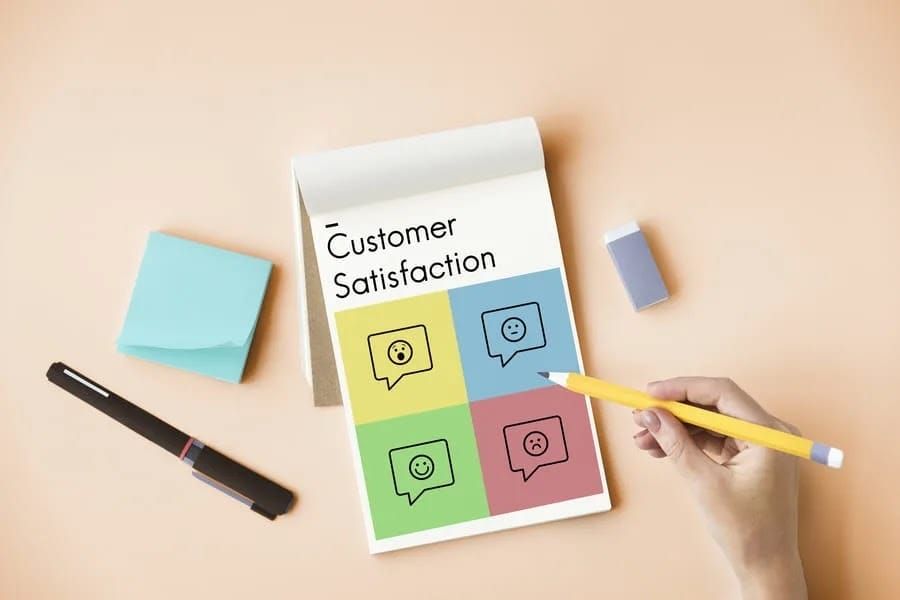
To master customer satisfaction and brand loyalty, brands must look beyond surface-level sales data and embrace Shopify Analytics to track deep engagement. Successful merchants use a combination of the Net Promoter Score, Customer Effort Score, and redemption rates to understand the health of their community.
We recommend a Cohort Analysis to examine how different shopper groups behave over a 6-month window. For 2026, a healthy brand should aim for a Point Redemption Rate of at least 50%. If your points are sitting idle, your program is failing to create a perceived value that motivates repeat visits.
Monitoring these numbers allows us to move from reactive fixes to proactive Predictive Analytics. We can identify a rising Churn Rate before it impacts our quarterly revenue.
Net Promoter Score (NPS): Identifying Your Advocates
The Promoter Score is a direct indicator of your brand's health. It measures how likely a person is to recommend you to a friend. This metric has a direct correlation with organic growth and long-term brand health.
We suggest using post-purchase surveys to collect Customer Feedback immediately on the order status page. This zero-party data allows you to fix issues before they lead to a high Churn Rate. It also helps you find your most devoted fans for future campaigns.
Customer Effort Score (CES): Removing Friction from CX
Friction is the silent killer of customer satisfaction and brand loyalty. The CES measures how easy it was for a customer to resolve an issue or complete a task. A low-effort experience is the single best predictor of repeat purchase behavior. Studies show that 82% of people will leave a brand after a frustrating digital experience.
By focusing on a Human-Centric CX, we ensure that the technology supports the user rather than confusing them. This is especially vital for Direct-to-Consumer (DTC) brands where the website is the only storefront.
Point Redemption Rate: The Activity Benchmark
The Point Redemption Rate is the ratio of points used to points issued. It tells you if your rewards have real value to your audience. If this rate is low, your program is likely too complex, or the rewards are boring. We believe a 50% benchmark is vital for success.
If points sit on a balance sheet unused, they represent "dead" value. High activity shows that your customers are engaged and looking forward to their next purchase. This is a key indicator of Sentiment Analysis.
Customer Lifetime Value (LTV): The Ultimate Loyalty North Star
LTV is the total revenue you can expect from a single account over the entire relationship. It is the most important metric for any Direct-to-Consumer (DTC) brand. By moving a customer from a basic tier to a premium tier, you increase their value.
Higher tiers lead to more frequent orders and higher average values. This improves your CAC-to-LTV ratio, making your marketing spend much more effective. Tracking this through Cohort Analysis allows you to see which groups are your most profitable over time.
Building a Unified Loyalty Engine
Modern consumers do not shop in silos; they move between web, mobile apps, and physical stores. A fragmented experience leads to a fragmented brand identity and lost revenue opportunities.
A unified loyalty engine is the bridge that connects customer satisfaction and brand loyalty across every possible sales channel. For Shopify merchants, this means syncing data between the online store and the Shopify POS used in physical locations. Take the case of SwitchBot, a global leader in smart home tech.
They generated $2M+ million in revenue in just three months by launching an Omnichannel program. They rewarded users not just for buying, but for pairing devices in the mobile app. This created a Contextual Engagement loop where the product itself became a tool for driving loyalty. This level of integration requires a Human-Centric CX that feels natural. We must use technology to enhance the relationship, not replace the personal touch that builds brand Trust.
Personalization That Feels Human, Not Automated
Automation often fails because it lacks empathy. Over 50% of customers report missing a "human touch" in their digital interactions. True personalization uses data to deliver Contextual Engagement, such as a birthday reward that actually aligns with a customer's interests. When we use Sentiment Analysis to tailor our communication, we show the customer we are listening. This transforms a generic brand into a trusted partner.
Scaling Engagement with Gamification and Tiers
The "Endowment Effect" is a powerful tool in Behavioral Psychology. By giving customers "waiting points" or a welcome discount upon signup, we make them feel like they already have something to lose. Brands like The Tinsel Rack have used this to reach millions of Gen Z advocates.
By using Tiered Rewards, they create a sense of Milestone Progress that encourages shoppers to climb from one level to the next. Each new tier unlocks more value, making it harder to leave the brand.
Conclusions
Mastering customer satisfaction and brand loyalty is the only way to thrive in the 2026 digital economy. While satisfaction keeps the lights on today, it is the emotional moat of loyalty that protects you from rising costs. By using a unified loyalty engine and tracking the right metrics, you can turn every sale into a long-term bond.
Merchants who focus on friction-free experiences and emotional value will lead the market. The goal is to make every customer feel like a VIP member of your brand family. Start building your moat today to secure your success for tomorrow.
Frequently Asked Questions (FAQs)
Can a customer be satisfied but not loyal?
Yes, this is very common in highly competitive markets. A customer may be perfectly happy with a product but have no emotional or financial incentive to return if a competitor offers a lower price. Loyalty requires an extra layer of engagement, such as a rewards program or an exclusive community, to create a "switching cost."
What is a good repeat purchase rate for Shopify in 2026?
While it varies by industry, a healthy benchmark for most e-commerce brands is between 25% and 35%. Top-tier brands that focus heavily on retention often see rates exceeding 50%. Tracking this via Cohort Analysis is the best way to see if your loyalty efforts are working over time.
How do I calculate the ROI of my loyalty program?
You can calculate your Retention ROI by comparing the LTV of loyalty members to that of non-members. Subtract the costs of rewards and software from the extra profit generated. Many brands see a massive return because loyal customers have much lower acquisition costs.
Does AI improve or hurt customer satisfaction?
AI improves satisfaction by removing friction, such as answering basic questions instantly. However, it hurts satisfaction when it prevents a person from reaching a human for complex issues. The best approach is a "human-centric" one where AI handles the routine, and people handle the heart.
Is it cheaper to keep a customer or find a new one?
It is almost always 5 to 25 times cheaper to keep an existing customer than to acquire a new one. In the current climate of Digital Advertising Inflation, the profit margin on a repeat purchase is significantly higher because the marketing cost (CAC) has already been paid and amortized over the first sale.

Written by
Thomas Nguyen is the CEO & Co-founder of Joy, a loyalty solution for Shopify and eCommerce brands. With years of experience building high-performance Shopify apps, Thomas aims to help merchants grow through customizable and retention-focused tools.
Related reading
 Loyalty Strategy
Advantages of Customer Loyalty: 7 Data-Backed Benefits for Ecommerce Growth
Customer loyalty isn't a feeling — it's a financial asset that compounds. A 5% retention bump drives 25–95% more profit; emotionally connected customers deliver 306% higher LTV. This guide covers all 7 data-backed advantages and the 3 mistakes that kill programs before the compounding kicks in.
 Thomas Nguyen
 Loyalty Strategy
Customer retention benchmarks for ecommerce: What's a good rate?
A clear-eyed look at ecommerce retention benchmarks: the one number worth trusting, why most by-industry tables mislead, and how to benchmark against yourself.
Thomas Nguyen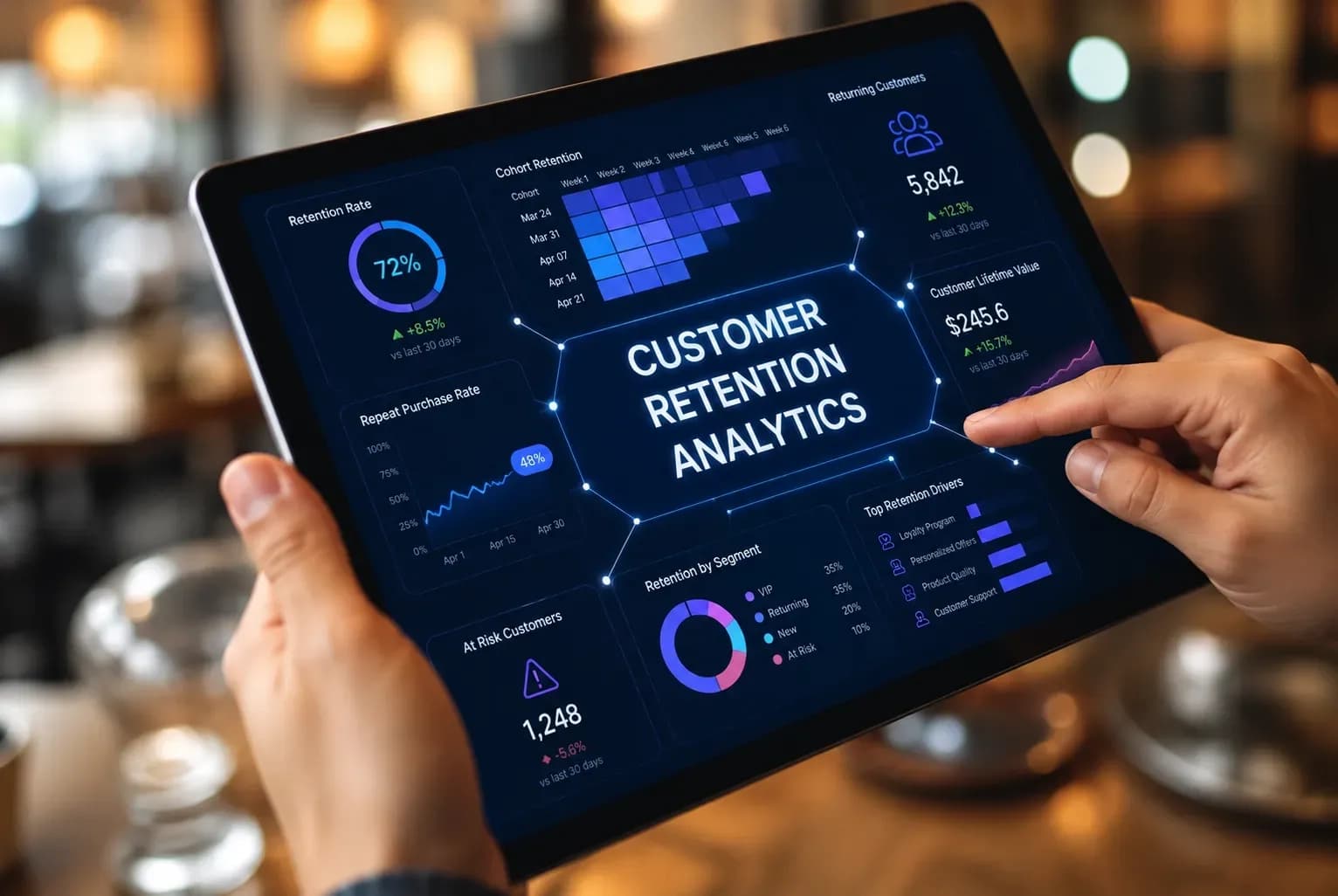 Loyalty Strategy
Customer Retention Analytics: Turn Your Data Into Retention Action
Most retention guides stop at the numbers. This one shows how to read your retention data and turn each metric into a concrete loyalty play for your Shopify store.
Thomas Nguyen Loyalty Strategy
Customer Retention Goals: 5 Targets to Set (and How to Hit Them)
A goal-first guide to customer retention: the five targets worth setting, how to make each one SMART, and the strategy that hits it.
Thomas Nguyen Loyalty Strategy
Key Loyalty Program Statistics In 2025 Every Brand Should Know
Discover the importance of loyalty programs through powerful stats that highlight how they help keep customers and grow your business.
Thomas Nguyen Loyalty Strategy
Brand Loyalty Pyramid: 5 Strategic Levels for 2026 Growth
Not all customers are loyal in the same way. The brand loyalty pyramid maps 5 strategic levels - from price-sensitive switchers to fanatic advocates - using David Aaker's framework. This guide breaks down each tier and the tactics to move customers up the ladder in 2026.
Thomas Nguyen