
Three Stages of Brand Loyalty: Mastering the 2026 ROI Strategies
From "knowing" your brand to "refusing" any other. The three stages of brand loyalty — Recognition, Preference, Insistence — map how customers actually move from awareness to advocacy. This guide breaks down each stage and the tactics to climb the ladder when acquisition costs are 4× higher.

Summarize this post with AI
Digital retailers today face a brutal reality where simple visibility no longer guarantees a profitable business model. To thrive, brands must describe the three stages of brand loyalty as a strategic roadmap rather than a theoretical concept. The era of cheap traffic has vanished, replaced by a landscape where Digital Advertising Inflation eats into every margin.
Merchants now see a 222% increase in acquisition costs, making retention the only viable engine for growth. By moving a shopper from a casual browser to a brand advocate, we secure the enterprise's future.
This journey requires a deep understanding of Consumer Behavior and a commitment to Emotional Branding. Success in 2026 belongs to those who view loyalty as a tiered psychological evolution.

What Are the Three Stages of Brand Loyalty?
Establishing a loyal customer base requires a strategic shift from transactional marketing to emotional connection. We define brand loyalty as a progressive psychological journey in which a customer moves from simple knowledge to a deep, irrational preference.
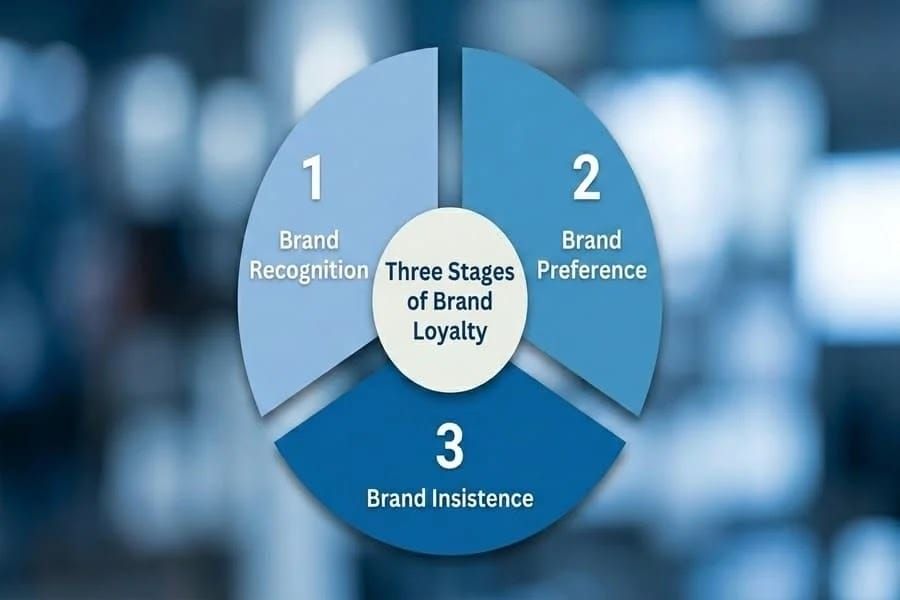
To describe the three stages of brand loyalty, we use a hierarchy of Recognition, Preference, and Insistence, with the core component being the shift from Cognitive Loyalty to Action Loyalty. Variation exists depending on the specific model used, but the result remains the same.
For example, an Allbirds customer who refuses to wear any other sneaker brand has reached the final stage. This means our marketing spend moves from buying trust to reaping advocacy. This section provides a bridge to understanding how specific phases of commitment function in a real-world setting.
- Stage 1: Recognition is the entry point at which shoppers identify your brand.
- Stage 2: Preference occurs when buyers choose your store over rivals for specific benefits.
- Stage 3: Insistence is the highest level, where consumers refuse to accept any substitute brands.
Stage 1: Brand Recognition (Cognitive Loyalty)
The first stage is where the customer simply knows you exist and can identify your logo or brand voice in a crowded feed. This is the foundation of Brand Awareness, aimed at achieving Top-of-Mind Awareness among your target audience. Merchants build this stage by maintaining consistent messaging across all digital touchpoints. Without recognition, a brand remains a commodity in the consumer's eyes.
At this level, the relationship is purely transactional and rational. The customer may choose you because your ad appeared first or your price was the lowest. We use Sentiment Analysis to ensure our initial messaging resonates with the specific problems our audience faces. Establishing Brand Trust here is vital.
If the first purchase fails to meet expectations, the journey ends immediately. Therefore, we prioritize a frictionless Customer Experience from the very first visit.
Stage 2: Brand Preference (Affective Loyalty)
In the second stage, customers move beyond knowing you to liking you, often because of a Positive Emotional Connection. This shift occurs when the brand consistently delivers value that exceeds the initial promise. Shoppers begin to choose your products over competitors even when prices are similar. They develop a "liking" state based on their previous experiences with your Customer Feedback loops.
We move buyers to this stage by providing Exclusive Access and Personalized Communication. When a brand remembers a customer's birthday or suggests products based on past choices, it builds Brand Affinity. This is the stage where Purchase Frequency begins to climb. The customer is no longer just "aware"; they are actively biased in your favor. We must nurture this preference to prevent them from slipping back into the recognition phase.
Stage 3: Brand Insistence (Action Loyalty)
The pinnacle stage is where the customer "insists" on your brand, and a substitute is seen as an inconvenience. This is the Brand Advocacy phase, where the consumer becomes a co-creator of your brand story. They often produce User-Generated Content and defend the brand in social settings. At this level, loyalty is no longer a choice but a habit rooted in Emotional Branding.
Reaching this stage creates a powerful competitive moat. These customers have a high Retention ROI because they require almost zero ad spend to stay active. They are the ones who participate in VIP workshops and join exclusive clubs, such as "The Tinsel Club". They don't just buy products; they buy into a lifestyle. This insistence is the ultimate goal for any Shopify Plus merchant seeking long-term stability.
[Stop the Leaky Bucket] Scaling Loyalty Stages to Combat Rising Acquisition Costs

The financial landscape of 2026 makes moving customers through these stages a survival necessity. Scaling through the three stages of brand loyalty requires a strategic move away from transactional discounts toward automated rewards that trigger at high-intent moments.
We saw a staggering 295.5% increase in Facebook Ads Average CPA, rising from $5.84 in 2023 to $23.10 in 2024. This Digital Advertising Inflation means that "buying" new customers is becoming too expensive for most margins. Stage 3 brand loyalty is the only path to sustainable profit.
Evidence shows that an API-first approach allows for Omnichannel actions that move customers faster. For instance, SwitchBot rewards users for pairing devices within their app. This turns a simple hardware purchase into a long-term service relationship.
By rewarding cross-channel engagement, they achieved over $2M+ million in loyalty-attributed revenue in just three months. Integrated rewards systems like these have shown a 1700% Return on Investment, proving that focusing on the "insistence" stage pays off.
Frictionless Onboarding to Capture Stage 1, Shoppers
We lower the barriers to entry by making it incredibly simple for new people to join our program. Allbirds issued 150 Million Won in points to existing customers to encourage them to adopt their new loyalty system. This created an immediate sense of value and ownership for the shoppers. We use tools like KakaoTalk login to ensure the signup process takes only seconds.
- Provide points immediately upon account creation to trigger engagement.
- Use single sign-on to remove the friction of creating new passwords.
- Train in-store staff to promote the program at the point of sale.
When onboarding is simple, we capture more Stage 1 shoppers before they leave. This immediate value builds early Brand Trust and sets the tone for the rest of the relationship. We want every new visitor to feel that joining our brand is a rewarding choice. This is the first step in climbing the loyalty ladder.
Gamified Engagement to Drive Stage 2 Preference
Merchants use Engagement Missions to build the emotional bond required for Stage 2. These missions can include social media follows, writing reviews, or sharing birthdays. By rewarding non-transactional activities, brands see up to 10-20% higher engagement than legacy systems. This moves the customer from a "habitual" buyer to one who truly prefers the brand.
Automatic discount rates based on tiers also provide instant value without effort. Tiers ranging from 1% to 5% rewards ensure that the more a customer engages, the more they save. This effortless value reinforces the "liking" state. It makes the customer feel that the brand is looking out for their interests. Over time, these small interactions solidify the brand's place in the customer's life.
VIP Tiers to Solidify Stage 3 Brand Insistence
Membership tiers and milestone rewards are the tools used to cultivate a "VIP Insider" identity. These can include free shipping, early access to new collections, or entry rewards for reaching a new level. The Tinsel Rack reached millions of Gen Z advocates by building an authentic rewards club. They turned their loyalty program into a social community that users are proud to join.
Exclusive benefits, such as member-only workshops or pre-orders, transform customers into co-creators. These experiences create memories that go beyond the product itself. When a customer feels like a "VIP," their loyalty becomes a core part of their identity. They become immune to competitor discounts because they value the status and community your brand provides. This is the ultimate expression of Brand Insistence.
Measuring Your Movement Through the Loyalty Ladder
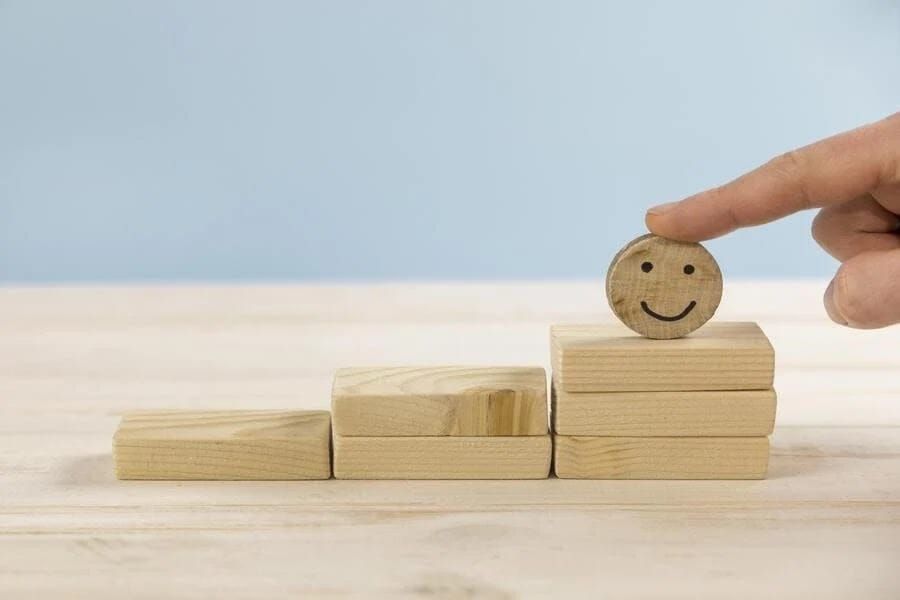
Monitoring specific data points is the only way to verify if your loyalty strategy is working. To track your progress, we must monitor redemption rates, repeat purchase rates, and Net Promoter Scores. These metrics tell us if customers are actually moving through the stages we have set. A healthy loyalty program usually sees a point redemption rate of at least 50%.
- Check your repeat purchase rate every month.
- Monitor your Net Promoter Score (NPS).
- Use cohort analysis to see how spending grows over time.
If your insistence tier is growing, your Retention ROI will naturally follow. Measuring these movements ensures that our marketing budget is being spent effectively. It helps us identify where we can improve the customer journey.
Bottom Line
To successfully describe the three stages of brand loyalty, a merchant must look beyond the transaction and into the consumer's mind. In 2026, the winners in the commerce space will be those who move customers through the hierarchy of commitment to reach Action Loyalty.
By focusing on Emotional Branding and Brand Trust, we can build a community that resists even the most aggressive competitor tactics. Implementing a strategy that emphasizes simplicity, omnichannel access, and emotional rewards ensures a sustainable 17x return on investment.
As ad costs continue to rise, your loyal customer base becomes your most valuable asset. The journey from recognition to insistence is the only way to build an "all-weather" brand.
Frequently Asked Questions (FAQs)
What is the most important of the three stages of brand loyalty?
While all are needed, Brand Insistence (Stage 3) is the most critical for long-term profit. This stage ensures that customers will not switch to a competitor, regardless of price or convenience. It turns your audience into a self-sustaining marketing force.
How do ad costs affect brand loyalty stages?
High ad costs make Stage 1 (Recognition) very expensive to maintain. If you don't move customers quickly to Stages 2 and 3, you will likely lose money on every new acquisition. Loyalty stages act as a shield against Digital Advertising Inflation.
Can a customer go directly from Stage 1 to Stage 3?
It is rare but possible through an exceptional first Customer Experience or a powerful referral. Usually, it takes multiple positive touchpoints to build the Brand Trust required for insistence. Most customers follow the progressive path from cognitive to action loyalty.
Does a loyalty program help with all three stages?
Yes, it provides the "hooks" for each stage. It offers easy entry into Stage 1, personalized rewards in Stage 2, and exclusive VIP status in Stage 3. A well-designed program is the engine that drives movement up the loyalty ladder.
What is "Cognitive Loyalty"?
This is the first level of loyalty based purely on rational thought and awareness. The customer knows the brand and its benefits, but hasn't yet formed a deep emotional bond. It is the "Recognition" phase where the relationship is still mostly transactional.

Written by
Thomas Nguyen is the CEO & Co-founder of Joy, a loyalty solution for Shopify and eCommerce brands. With years of experience building high-performance Shopify apps, Thomas aims to help merchants grow through customizable and retention-focused tools.
Related reading
 Loyalty Strategy
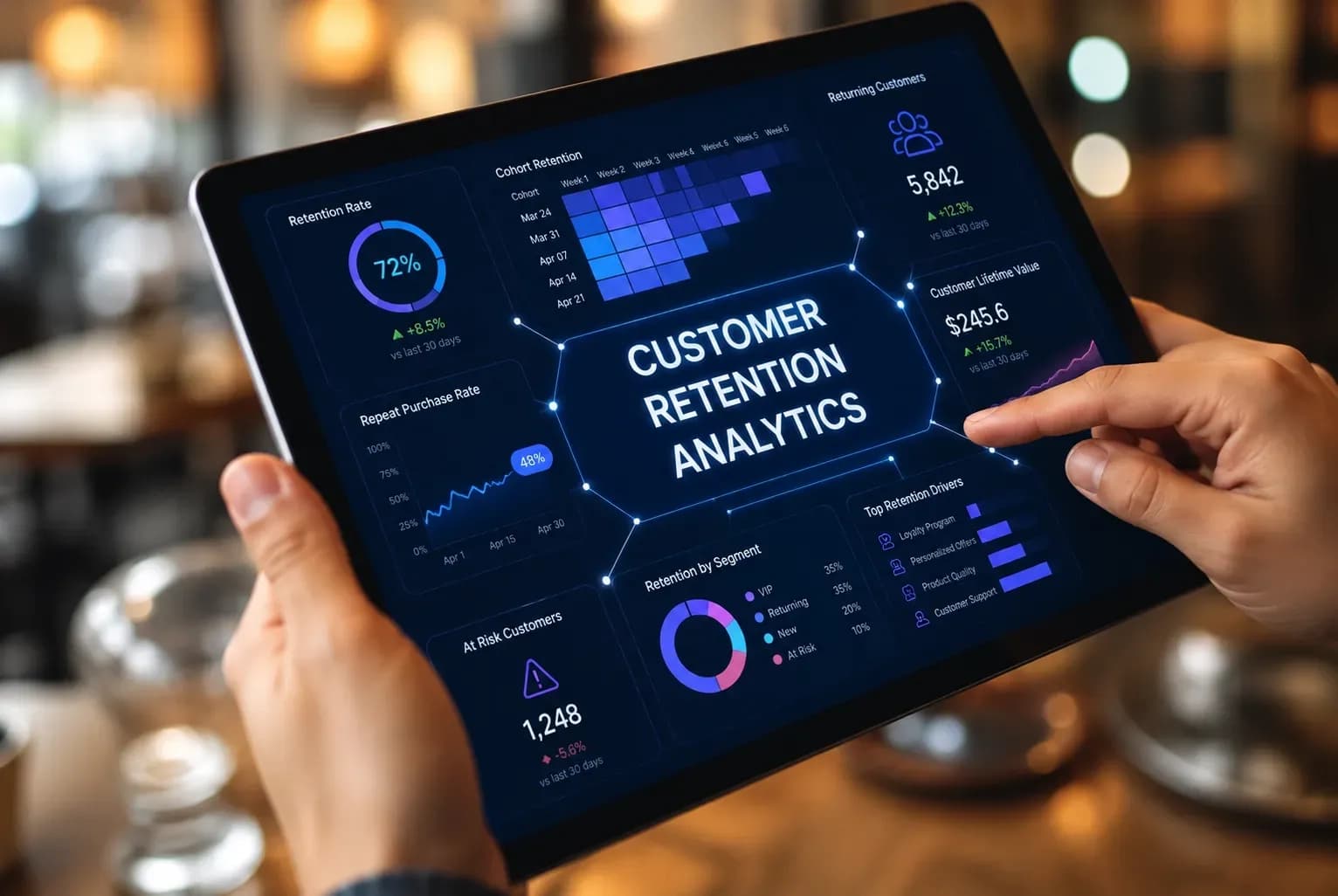
Customer Retention Analytics: Turn Your Data Into Retention Action
Most retention guides stop at the numbers. This one shows how to read your retention data and turn each metric into a concrete loyalty play for your Shopify store.
 Thomas Nguyen
-f9ebcc.webp&w=3840&q=75) Loyalty Strategy
Loyalty StrategyCustomer Engagement and Loyalty: Strategies and How to Measure Them
Customer engagement and loyalty aren’t the same thing. Here’s how they differ, seven strategies that build both, and the metrics that tell you it’s working.
Thomas Nguyen Loyalty Strategy
The Impact of Social Media Marketing on Brand Loyalty: 7 Key Insights
Likes don't equal loyalty. This guide breaks down how social media marketing actually builds brand loyalty — through two-way communication, user-generated proof, omnichannel touchpoints, influencer collaboration, and measurable ROI. 7 key insights for Shopify merchants in 2026.
Thomas Nguyen Loyalty Strategy
Customer Acquisition vs Retention: Where to Put Your Next Dollar
Customer acquisition and retention aren't a contest. Here's what each really costs, when to prioritize which, and a simple LTV:CAC way to decide your split.
Thomas Nguyen Loyalty Strategy
Key Loyalty Program Statistics In 2025 Every Brand Should Know
Discover the importance of loyalty programs through powerful stats that highlight how they help keep customers and grow your business.
Thomas Nguyen Loyalty Strategy
Advantages of Customer Loyalty: 7 Data-Backed Benefits for Ecommerce Growth
Customer loyalty isn't a feeling — it's a financial asset that compounds. A 5% retention bump drives 25–95% more profit; emotionally connected customers deliver 306% higher LTV. This guide covers all 7 data-backed advantages and the 3 mistakes that kill programs before the compounding kicks in.
Thomas Nguyen