17+ Best Refer-a-Friend Program Examples to Grow Sales in 2026
What a refer-a-friend program is, how it works, examples across beauty, fashion, pet, and more, plus tips to build one that gets shared.
Summarize this post with AI
Your best customers already recommend you to friends, you just don't get credit for it, and you can't repeat it on purpose. A refer-a-friend program fixes both: it gives customers a reason to share and gives you a way to track and reward what happens next.
It's worth the effort. In PwC's 2024 Voice of the Consumer survey of 20,662 shoppers across 31 countries, 49% said they turn to recommendations from family and friends when discovering new brands, ahead of most paid channels.
This guide covers what a refer-a-friend program is, how it works, 17+ real examples across 12 industries, reward ideas, and the tips that decide whether yours gets shared or ignored.
Key takeaways
- A refer-a-friend program rewards existing customers for inviting friends: the advocate shares a link or code, and once the friend makes a qualifying purchase, both sides are rewarded.
- It works for two reasons: trust, because people trust friends more than ads, and economics, because a referred customer arrives pre-sold.
- Reward both sides. A one-sided reward gives your customer a reason to share but gives their friend no reason to buy.
- Size the reward from gross margin and from your repeat rate, not from revenue.
- The most common failure is not a weak offer. It is a program nobody sees.
- The figures in the 17 examples are historical and reflect each program at the time. Check the brand's live page before copying an amount.
What is a refer-a-friend program?
A refer-a-friend program rewards existing customers for inviting their friends to buy from you. The customer (the advocate) shares a personal link or code; their friend uses it; and once the friend makes a qualifying purchase, both sides usually get a reward.
It's easy to confuse with two neighbors:
- Affiliate programs pay commissions to creators and publishers who promote you to audiences, often strangers. Refer-a-friend is peer-to-peer, between people who actually know each other.
- Loyalty programs reward repeat purchases from the same customer. Refer-a-friend rewards bring in new customers. Many brands run both, and the two work well together.
How a refer-a-friend program works
The mechanics are simple, which is the point. Three steps:
- Share — your customer gets a unique referral link or code and sends it to a friend by text, email, or social.
- Purchase — the friend clicks through and makes a qualifying first purchase.
- Reward — once the purchase clears, both the advocate and the friend get their reward automatically.
That last detail, rewarding both sides, is the structure most programs land on. The advocate gets a thank-you for the effort; the friend gets a reason to try you instead of scrolling past.
Why refer-a-friend programs work
Two simple reasons:
- First, trust: people trust their friends more than they trust your ads, which is why the PwC figure above puts personal recommendations ahead of paid channels.
- Second, economics: a referred customer arrives pre-qualified by someone who knows them, so you spend reward budget on people who actually convert instead of bidding for clicks.
There's a catch worth naming up front. A referral program only works if customers know it exists and find it easy to share. Most programs that fail don't fail on the reward; they fail on visibility. More on that in the tips below.
17 refer-a-friend program examples worth studying
The seventeen programs below range from famous growth stories with documented results to programs still running today. Where a program published results, we've included them (historical, widely cited figures that reflect the program at the time); where it didn't, we describe the mechanics you can copy. Reward amounts change often, so check each brand's live page before copying a figure.
1. Dropbox — the program that wrote the playbook
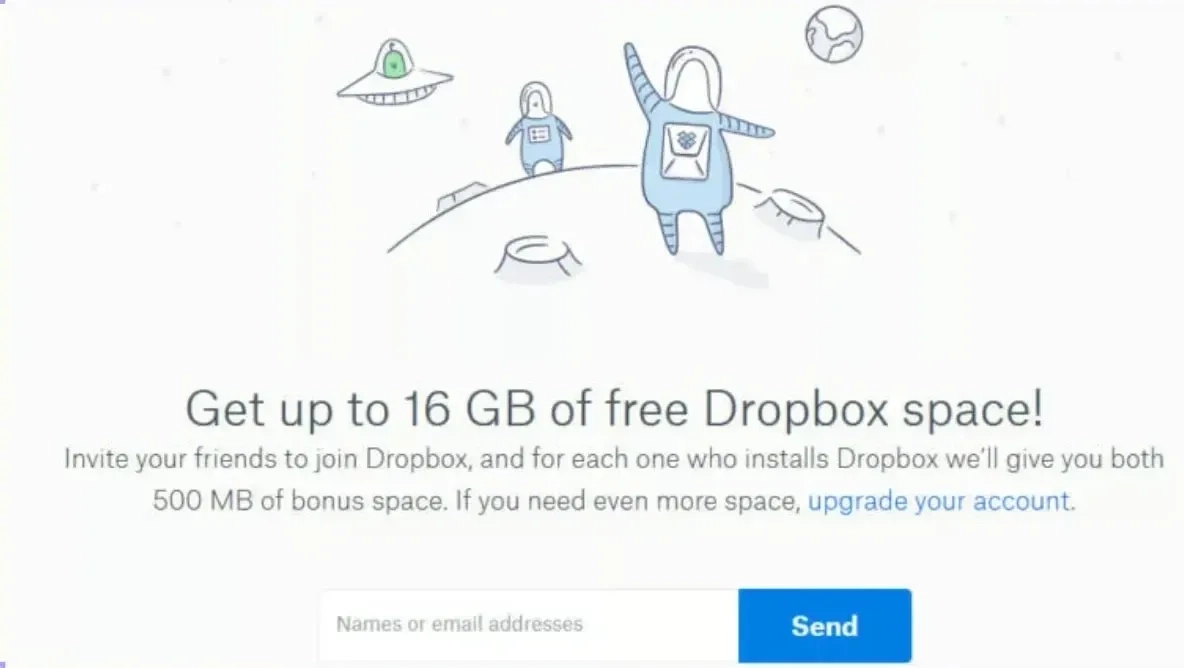
Dropbox is a file-storage service that, in its early days, couldn't outspend competitors on ads. So in 2010, it launched a two-sided referral program that's still running today: refer a friend, and you both get 500MB of extra storage, up to 16GB for the referrer. The invite lived inside onboarding and the welcome email, and the friend's reward, framed as "you've got extra space," was always the headline.
- Results: Dropbox grew from 100,000 to about 4 million users in 15 months, roughly 3900%, with users sending 2.8 million invites in April 2010 alone.
- Takeaway: Reward the thing your product is actually about. A reward built into the product costs little and reinforces the habit you want.
2. PayPal — buying growth with cash
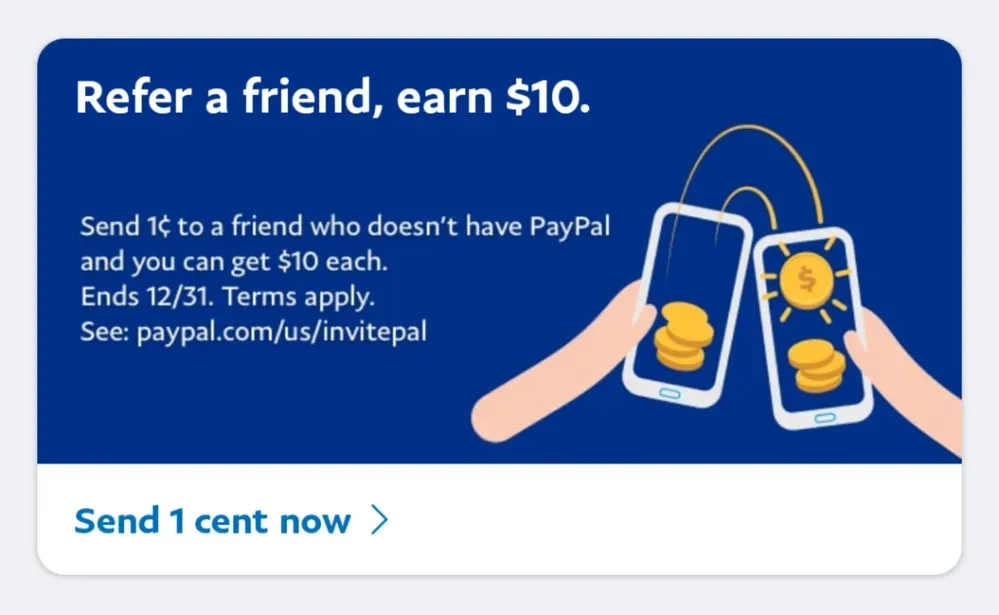
PayPal needed people to trust sending money online, and to do it fast. Around 1999 and 2000, it simply paid them: both the new user and the referrer got cash credited instantly, starting at around $20 each and later tapered to $10, then $5, as growth took off.
- Results: PayPal grew from 1 million to 5 million users in about six months, with daily growth peaking around 7–10%. It reportedly spent $60–70 million on incentives en route to a $1.5 billion sale to eBay.
- Takeaway: Cash works, and it's expensive. PayPal could afford it because each user was worth far more than the bonus, and it shrank the reward as momentum built.
3. Airbnb — testing the wording, not just the reward
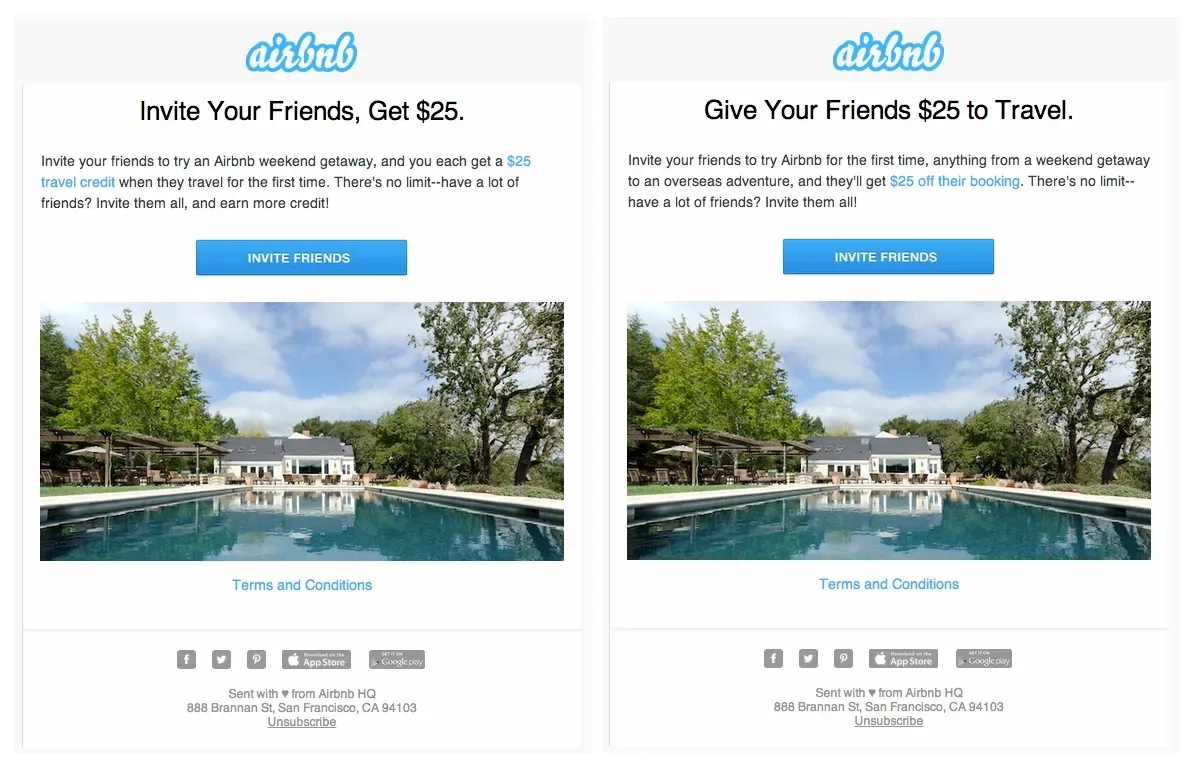
Airbnb is a travel marketplace that rebuilt its referral program from scratch in 2014. The new "Referrals 2.0" gave a friend $25 in travel credit and gave you $25 when they traveled, with a bigger bonus if the friend signed up as a host, and it paid out only after a completed stay.
- Results: The relaunch drove a reported 300% increase in daily signups and bookings, and lifted bookings by up to 25% in some markets. A team of five built it in three months.
- Takeaway: Framing matters. Airbnb found "give your friend $25" beat "get $25" — the generous version felt better to share.
4. Robinhood — a waitlist that turned signups into a game
-a5aa9b.webp)
Robinhood is a commission-free investing app that launched off a pre-launch waitlist between 2013 and 2014, ahead of its 2015 debut. The mechanic was a game: join the list, then climb it, and unlock perks like free stock by referring friends, with a real-time leaderboard showing your spot in line.
- Results: Robinhood reportedly reached close to 1 million people on the waitlist before launch, with the landing page converting more than half of visitors.
- Takeaway: A leaderboard and a "move up the line" mechanic make waiting feel like a game. Position can motivate as much as the reward.
5. Tesla — referrals for a six-figure product
-2c4a9c.webp)
Tesla ran one of the most generous referral programs in retail. Launched in 2015 and escalated through 2016 to 2018, it started by giving the referrer and the buyer $1,000 off each, then climbed into milestone rewards: a free Powerwall, invitations to exclusive events, and even a discounted Founders Series Model X for the top referrers.
- Results: The program reportedly drove about 25% of Tesla's Q4 2015 sales, and one top referrer generated over $44 million in sales through 1,265+ referrals.
- Takeaway: On high-value products, the math supports big rewards, and milestone tiers turn your most enthusiastic customers into a sales force.
6. Harry's — 100,000 emails before launch
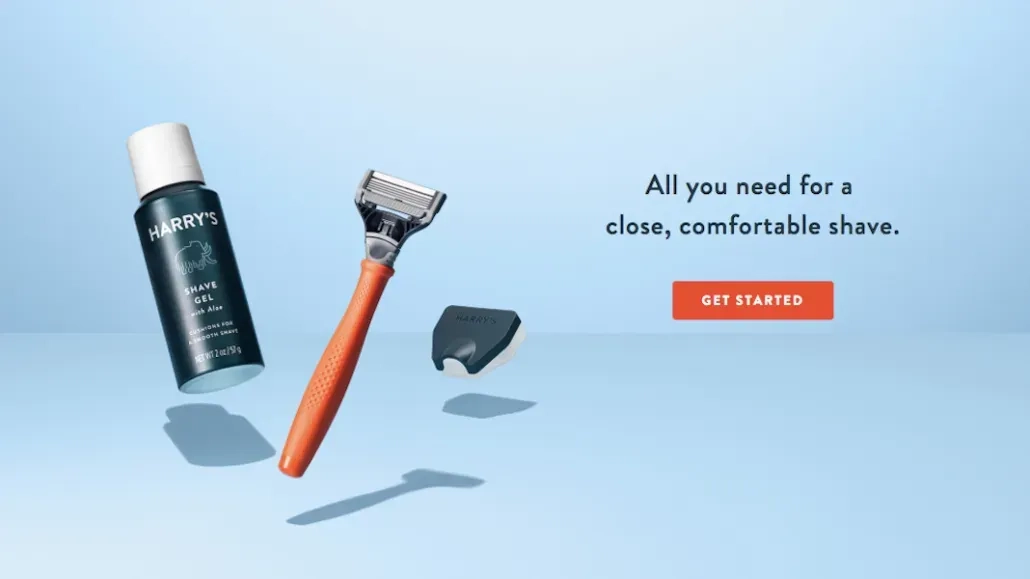
Harry's is a DTC men's shaving brand that built a waitlist before it had anything to sell. Its 2013 pre-launch campaign was a milestone referral game: sign up, then earn prizes by referring friends, shave cream at five referrals, a razor at ten, all the way up to a year of free blades at fifty.
- Results: Harry's collected over 100,000 emails in one week, with about 77% of signups coming from referrals (roughly 20,000 people referred around 65,000 friends).
- Takeaway: Milestone rewards tap into the urge to finish a challenge, and they work even before you have a product.
7. Morning Brew — a newsletter built on referrals
Morning Brew is a business newsletter that grew its audience largely through reader referrals. From 2018, it launched a milestone program in which subscribers earn branded rewards at set referral counts: a mystery box at 7, a hoodie at 25, and exclusive access at higher levels.
- Results: Morning Brew grew from 100,000 to 1.7 million subscribers in about 18 months, roughly 30% of that from referrals, on its way past 4 million and a reported $75M acquisition. At peak, it averaged over 1,000 referrals a day.
- Takeaway: Branded, tiered rewards (not cash) can carry growth when your product is something people already like sharing.
8. Uber — the give-and-get that scaled a category
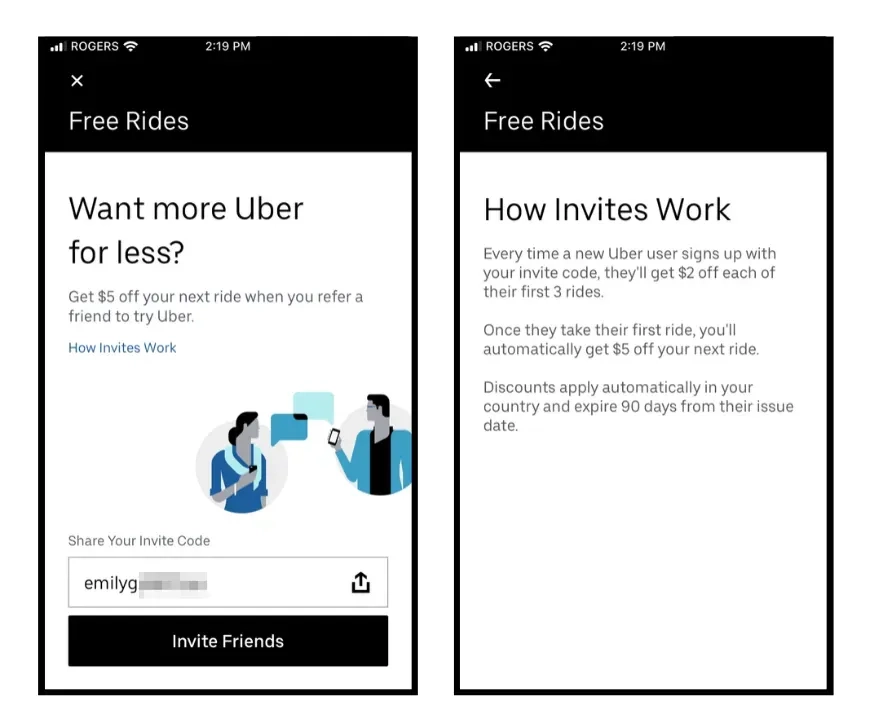
Uber used referrals to grow both riders and drivers as it pushed into new cities. The rider program was a straightforward give-and-get: share your code, and when a friend takes their first ride, you get ride credit while they get a discount on their early trips.
- Results: Uber doesn't publicly break out referral-specific numbers, but it's widely cited as a core acquisition channel during its city-by-city expansion.
- Takeaway: Ride credit is the ideal reward for a rides business, it costs less than face value and pulls people back for another trip.
9. Monzo — the Golden Ticket
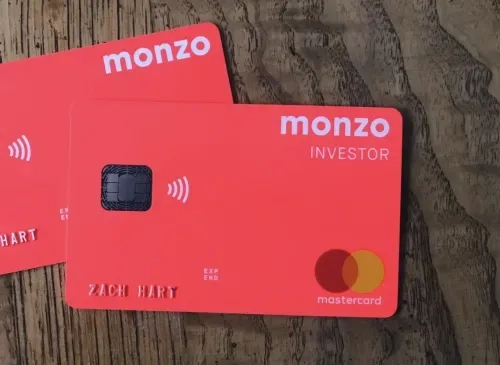
Monzo is a UK neobank that turned a waitlist into millions of customers through its "Golden Ticket" referral program, run around 2015 and 2016. After two weeks of using the app, each customer received a single Golden Ticket to give to a friend, letting them skip the waitlist entirely. Because it was just one invite, it felt valuable.
- Results: Founder Tom Blomfield said about 40% of Monzo's 2017 signups came from Golden Tickets, "and it cost us nothing." Monzo passed 750,000 users by 2018.
- Takeaway: Scarcity can be the reward. A single, exclusive invite can out-pull a cash bonus, especially when a distinctive product (Monzo's bright coral card) gives people a reason to show it off.
10. Revolut — rewarding activation, not signups
Revolut is a fintech app that leaned on referrals to scale across Europe, usually through time-boxed campaigns. Its reward is mostly one-sided, typically £40 to £70, depending on the market, and it pays the referrer only after the friend genuinely activates, verifies their ID, adds money, orders a card, and makes a few purchases.
- Results: Revolut has reported that around 65% of new retail customers arrive via word of mouth, and a roughly 700% rise in customer acquisition from 2018 to 2019.
- Takeaway: Tie the reward to activation, not the signup. Paying only when a referral becomes a real, active user keeps the program profitable.
11. Coinbase — free crypto to onboard newcomers
Coinbase is a cryptocurrency exchange that uses referrals to bring first-time buyers on board. Its two-sided program gives both the referrer and the friend a set amount of free Bitcoin, commonly $10 each, once the friend buys or sells at least $100 within 180 days.
- Results: Coinbase doesn't break out referral-specific numbers, but the give-and-get-crypto model has been a long-running acquisition channel as it grew past 100 million users.
- Takeaway: Rewarding in your own product (here, crypto) doubles as a first taste of what you sell, and the qualifying threshold keeps it honest.
12. Warby Parker — the clean give-and-get
Warby Parker is a DTC eyewear brand known for a simple, symmetrical referral: give a friend a credit toward glasses, worth around $15, and get the same amount when they buy.
- Results: Not separately disclosed, but the matched give-and-get has been a steady, widely copied part of its growth mix.
- Takeaway: When you're unsure what to offer, a matched, easy-to-explain reward is the safest starting point.
13. Casper — sizing the reward to the order
Casper is a DTC mattress brand selling a considered, high-ticket product, so its two-sided referral is sized accordingly: both sides receive a sizable credit, reported at around $75 each, which makes sense given that a single sale is worth hundreds.
- Results: Not separately disclosed.
- Takeaway: Match the reward to the order value. A small credit won't move someone shopping for a $1,000 mattress; a meaningful one will.
14. Glossier — store credit that fuels the next order
Glossier is a DTC beauty brand that built an early following partly through referrals, running a two-sided store-credit program from around 2016 in which the advocate and the friend both earn credit, reported around $10 each, spendable only on-site.
- Results: Not separately disclosed, though referrals and word of mouth were central to its early growth.
- Takeaway: Store credit keeps the reward inside your ecosystem and nudges the next purchase, better than cash that walks out the door.
15. Rothy's — a symmetrical credit that's easy to share
Rothy's, the DTC footwear and accessories brand, runs a clean "give $20, get $20" two-sided credit: share a link, your friend gets a credit toward their first order, and you get one when they buy.
- Results: Not separately disclosed.
- Takeaway: A round, matched number ("give $20, get $20") is memorable and frictionless, which is half the battle in getting customers to share.
16. HelloFresh — a free first box as the hook
HelloFresh is a meal-kit subscription that uses referrals as a low-risk trial: the friend gets a free or steeply discounted first box, while the advocate earns account credit toward future boxes.
- Results: Not separately disclosed, but referral and free-box offers are a core part of subscription-box acquisition.
- Takeaway: For a subscription, a free or discounted first box doubles as a trial; the reward and the sales pitch are the same thing.
17. American Express — points for an approved referral
American Express runs one of the most established refer-a-friend programs outside ecommerce: cardmembers share a personal link and earn Membership Rewards points when a friend is approved for a card, up to an annual cap.
- Results: Not separately disclosed.
- Takeaway: The give-and-get structure works in any category. The currency changes (points, statement credit), but rewarding both the advocate and a qualified new customer is the constant.
Refer-a-friend reward ideas (and when to use each)
Across all those programs, the same handful of reward structures keep recurring. You don't have to copy a competitor's amount, just pick the structure that fits your margins and how often customers buy.
| Reward type | Best for | Watch-out |
|---|---|---|
| Two-sided store credit | Driving a follow-on purchase, keeping value in-store | Only pays off if customers come back to spend it |
| Percentage discount | Simple, familiar offers | Can cost more than a flat amount on high-value carts |
| Fixed amount off | Predictable, easy-to-budget cost per referral | Feels small on big baskets, large on cheap ones |
| Free product or free shipping | Trial-driven categories; removing checkout friction | Pick an item whose cost you can absorb |
| Loyalty points | Linking acquisition to retention | Needs a points program already in place |
| Tiered rewards | Turning casual sharers into repeat advocates | More complex to explain and track |
| Cash or payout | Maximum motivation | Leaves your ecosystem; can attract reward-only behavior |
| Charitable donation | Mission-led brands | Weaker pull than a personal reward for some audiences |
A practical default for ecommerce: two-sided store credit or a free product, because both keep value in your store and tend to cost less than they look.
How much should the reward be?
There's no universal number, but two anchors help.
- Your margin. The reward plus the cost of the first sale shouldn't wipe out the value of acquiring the customer. Work backward from gross margin, not revenue.
- Your repeat rate. If customers reorder often (pet, supplements, food), a referred customer is worth more over time, so you can afford a larger reward. If most customers buy once, keep it tighter.
Start conservative, watch your referral and conversion rates, and raise the reward only if sharing stays low despite good visibility. Often, the fix is better placement, not a bigger reward.
Refer-a-friend program tips
The difference between a program that prints referrals and one that goes quiet usually comes down to these.
- Reward both sides. A one-sided reward gives your customer a reason to share, but gives their friend no reason to buy. Two-sided is the default for a reason.
- Match the reward to your margins. Percentage off is simple but can sting on high-value carts. Store credit and free products retain value in your store and often cost less than they appear. Consider non-cash rewards before cash.
- Make sharing effortless. Every extra field or step loses referrals. A one-tap link or code beats asking customers to fill in a form about their friends.
- Set clear qualifying rules. Define what counts (a paid order above a minimum, a first-time customer) so rewards fire on real purchases, not gamed ones.
- Build in fraud controls. Block self-referrals and fake signups by flagging matching emails, shared IPs, or browsers, and rewarding only paid orders.
- Promote it where customers already are. This is where most programs fall down. Put it in the post-purchase confirmation, in your email flows, and in your site header or footer. The best moment to ask is right after a customer has had a good experience.
- Measure the right things. Track referral rate (how many customers share), conversion (how many friends buy), and the effective cost per acquired customer. Then tune the reward and the placement.
Common refer-a-friend mistakes to avoid
A few patterns sink programs more than a weak reward does.
- Keeping it hidden. The most common failure isn't a bad offer; it's a program no one sees. If it's not in your post-purchase flow, emails, and site, it barely exists.
- A one-sided reward. Rewarding only the advocate leaves their friend no reason to buy. The friend's incentive is half the program.
- Paying out too early. Rewarding before the purchase clears invites self-referrals and reward-then-refund abuse. Pay on a confirmed, paid order.
- A complicated share flow. Every extra step or form field costs referrals. If it takes more than a tap, you'll lose people.
- A reward your margin can't carry. Generous looks good until it erases the value of the customer. Size it against gross margin and repeat rate.
- Never testing. Treating the first version as final. Small changes to placement and offer often beat a bigger reward.
How to promote a refer-a-friend program
Visibility is where most programs win or lose, so give yours more than one home:
- Post-purchase confirmation and thank-you page — the peak-happiness moment, right after someone buys.
- Email flows — a post-delivery follow-up, plus a slot in newsletters and win-back emails.
- Site header, footer, and a dedicated landing page — so people can find it any time.
- Account or dashboard — for logged-in customers checking orders or points.
- Packaging inserts — a card in the box turns delivery into a share prompt.
- SMS and social — for brands with an engaged list or following.
The best single moment to ask is right after a good experience: a delivered order, a repeat purchase, or a positive review.
Tools to run a refer-a-friend program
You can run a small program manually with discount codes and a spreadsheet, but it gets fragile fast: tracking who referred whom, verifying purchases, catching fraud, and paying out rewards on time. Referral software automates all of that.
If you're choosing a tool, we compared the options in the best referral program software, including platforms like Joy that run referrals and loyalty together if you're on Shopify.
A final thought
A refer-a-friend program isn't complicated to start. Pick a two-sided reward your margins can handle, make it a single-tap share, and put it where customers will actually see it. The structure matters more than the size of the reward.
If you're on Shopify and want referrals to work alongside a points-and-rewards program rather than as a separate tool, that's worth weighing, so acquisition and retention show up in one view instead of two. See how referrals and loyalty work together in Joy →
Frequently asked questions
What's a good refer-a-friend reward?
The best reward is one your customers actually want, and your margins can absorb. Two-sided store credit and free products work well for ecommerce because they keep value in your store and often cost less than a straight discount. Match the value to the frequency with which customers reorder.
How do I track referrals?
Each advocate gets a unique link or code, and the software (or your store) attributes any purchase made through it back to them. That's what lets you verify a referral qualified before paying out the reward.
Refer-a-friend vs affiliate program: what's the difference?
Refer-a-friend is peer-to-peer: existing customers inviting friends they know. Affiliate programs pay creators and publishers to promote you to a wider audience, often people who don't know them personally. Many brands run both.
How do I start a refer-a-friend program?
Pick a two-sided reward your margins can handle, choose how you'll track referrals (a link or code, usually through referral software), set clear qualifying rules, and promote it where customers already are, starting with your post-purchase page and emails. Start simple and refine from there.
Do refer-a-friend programs actually work?
They work best when customers know the program exists and the product is something people naturally recommend. The economics are favorable because you only pay a reward when a referral converts, not upfront for clicks. They're weaker for one-time, low-involvement purchases that people don't talk about.
Is a refer-a-friend program worth it for a small business?
Often, yes, because it spends the reward budget only on customers who actually convert, rather than paying upfront for clicks. Start simple with a two-sided reward and one or two promotion spots, then expand once you see what works.

Written by
Thomas Nguyen is the CEO & Co-founder of Joy, a loyalty solution for Shopify and eCommerce brands. With years of experience building high-performance Shopify apps, Thomas aims to help merchants grow through customizable and retention-focused tools.
Related reading
 Examples & Inspiration
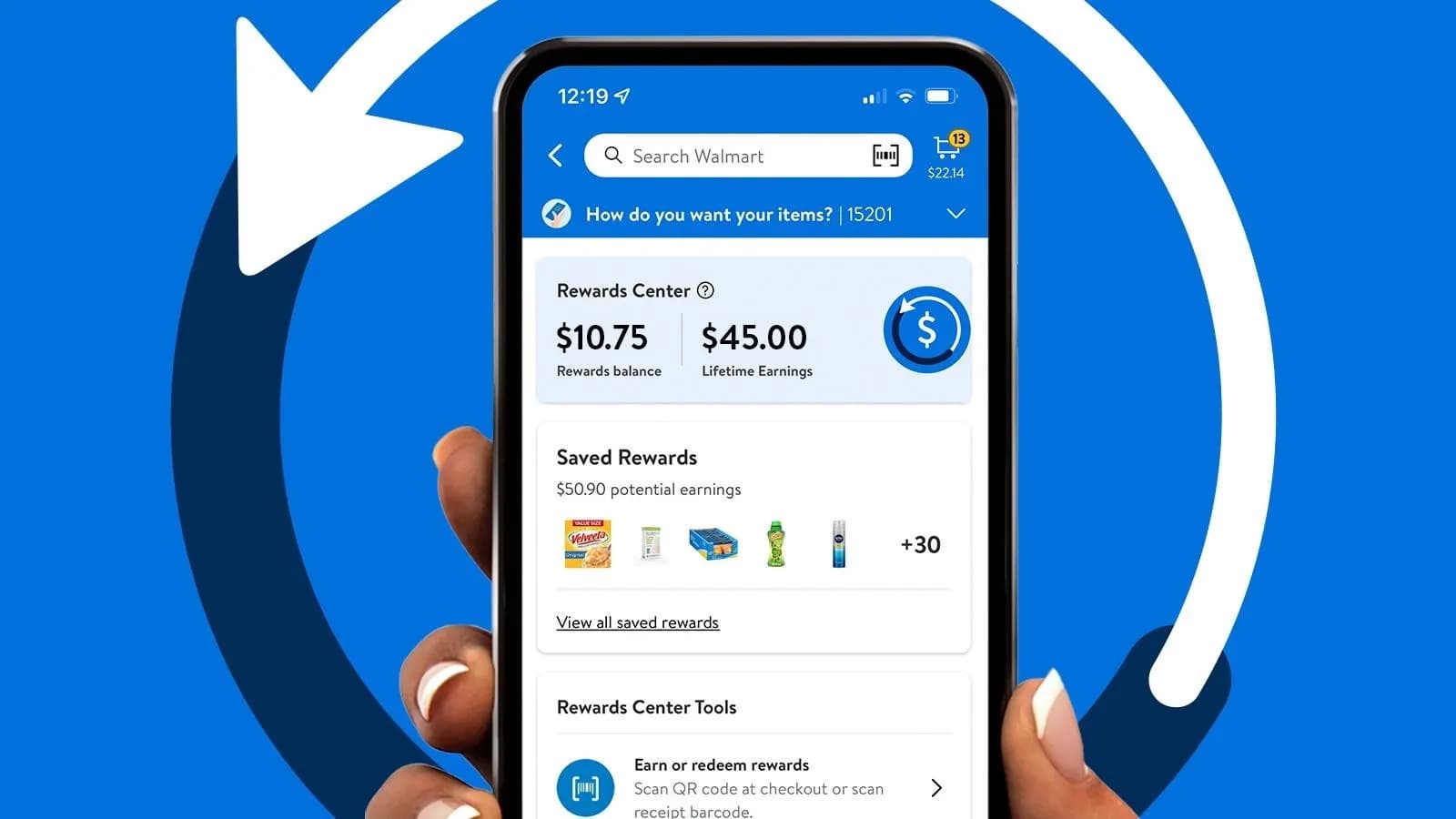
Walmart Loyalty Program Explained: 2026 Strategy Guide
Walmart's loyalty isn't a points game — it's infrastructure. See how the Walmart loyalty program turns subscription, cashback, and retail media into profit.
 Thomas Nguyen
 Examples & Inspiration
Referral Programs for Small Businesses: 12 Ideas & Examples (2026)
Twelve referral program ideas for small businesses, real examples broken down by how they actually work, a five-step setup with copy-paste scripts, and a simple way to measure ROI.
Thomas Nguyen-68d473.webp&w=3840&q=75) Examples & Inspiration
Examples & Inspiration23 Best Referral Program Examples by Industry (And How to Build Your Own)
Most referral roundups stop at the reward. We checked 23 programs against each brand's own page to show what actually makes them work - and how to build your own.
Thomas Nguyen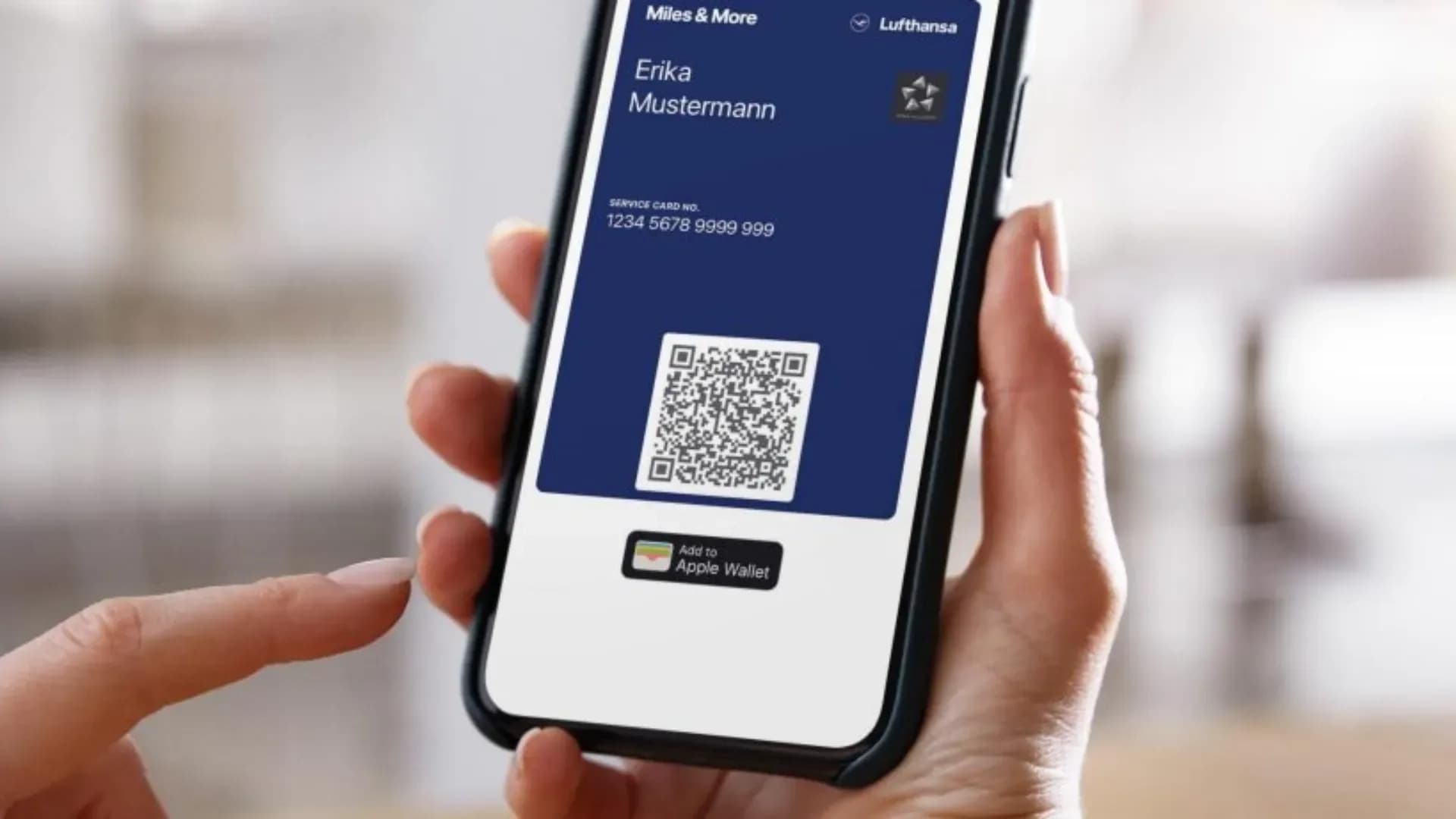 Examples & Inspiration
Lufthansa loyalty scheme: Case study and strategic breakdown for e-commerce (2026)
What can an airline teach your store about retention? See how the Lufthansa loyalty scheme builds status, monetizes miles, and turns loyalty into infrastructure.
Thomas Nguyen-be8365.webp&w=3840&q=75) Examples & Inspiration
Examples & Inspiration15 Loyalty Program Email Examples (With Copy-Paste Templates)
15 loyalty program emails your store should send, each with a copy-paste template, subject line ideas, and the exact trigger that sends it. Plus a metrics cheat sheet and how to automate the whole thing with Shopify Flow.
Thomas Nguyen Examples & Inspiration
American Airlines Loyalty program: $30B secret + Retention tricks
The American Airlines loyalty program is a $30B engine, not a perk. See how AAdvantage turns points into status, partners, and a retention flywheel you can copy.
Thomas Nguyen